

Vintage Lamp Bases
Vintage lamp bases bring character to a room, offering period materials and forms that anchor modern lighting.
Vintage Lamp Bases
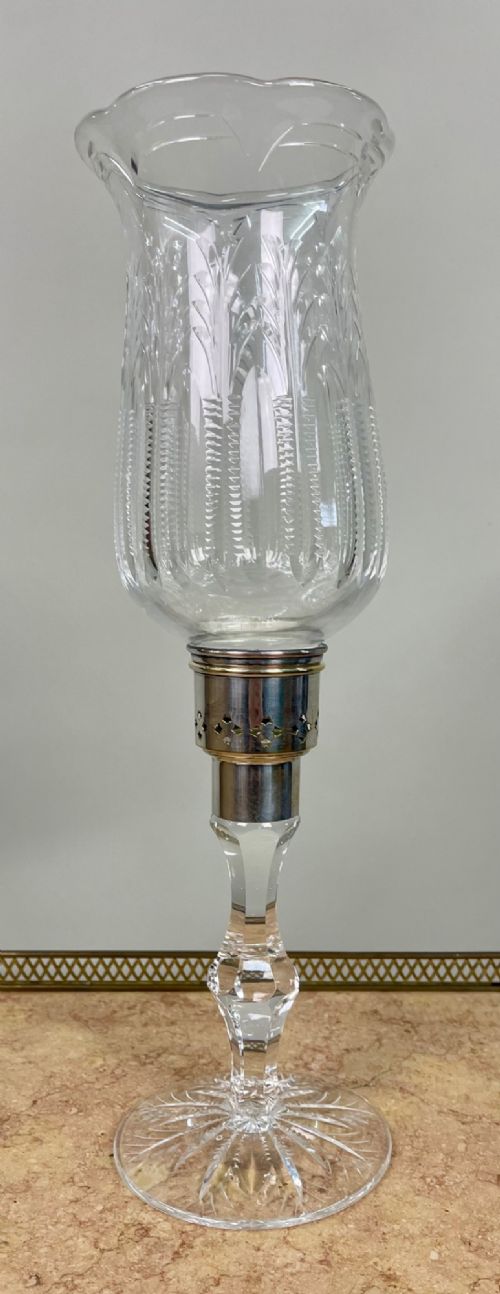
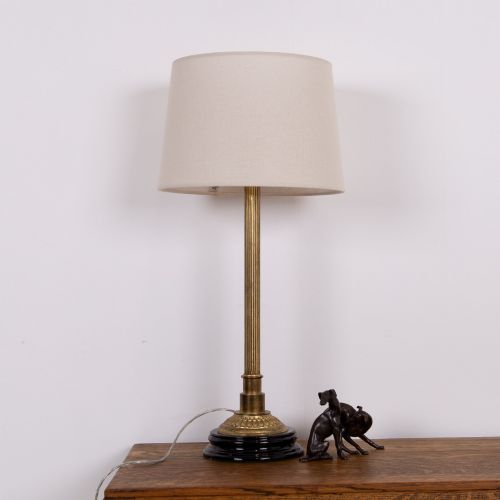
When you search for vintage lamp bases, you encounter a varied selection of lighting foundations spanning the nineteenth century through the mid twentieth century. These pieces encompass table lamps and standard floor lamps adapted from earlier oil burners, ceramic vessels, and architectural columns.
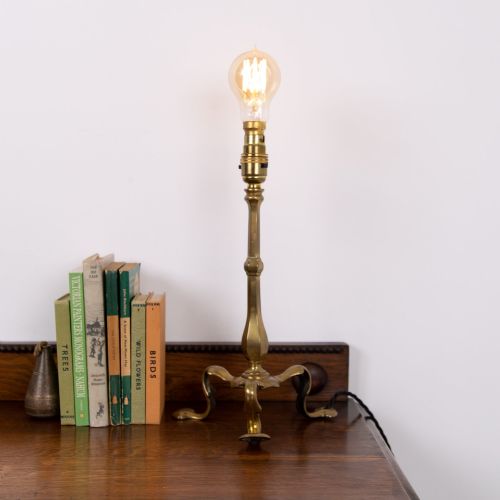
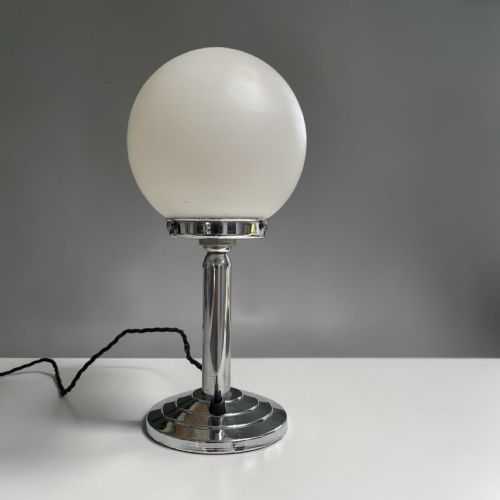
The options range from substantial Victorian brass oil lamp conversions and Edwardian brass columns to oak standard lamps from the 1920s and 1930s. Ceramic, glass, and metal forms dominate the offerings, appearing in styles from Art Deco and Arts and Crafts to Chinoiserie and Neoclassical revival.
Buyers frequently find converted oil lamps featuring cut glass fonts or ceramic bodies paired with metal columns, alongside wooden standards and sculptural metal figures. Each base reflects the domestic lighting technology and decorative tastes of its specific decade.
How they were made
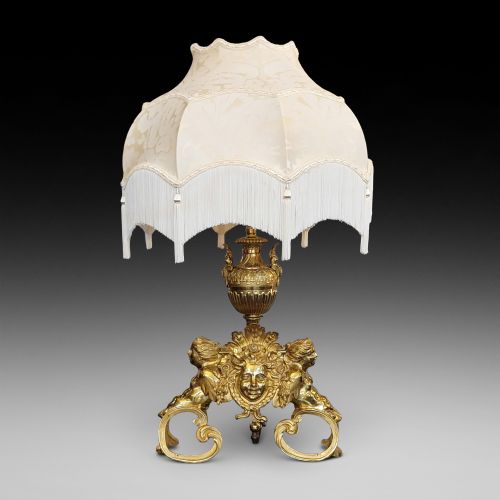
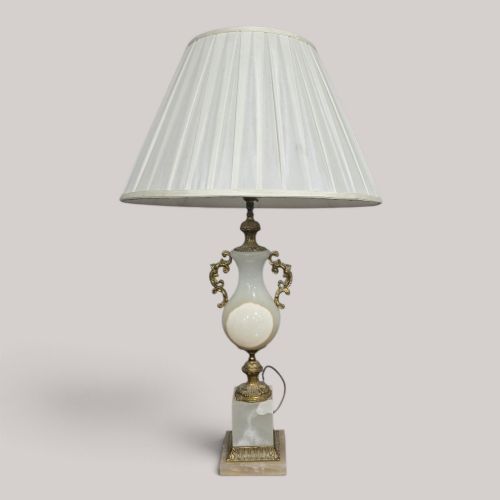
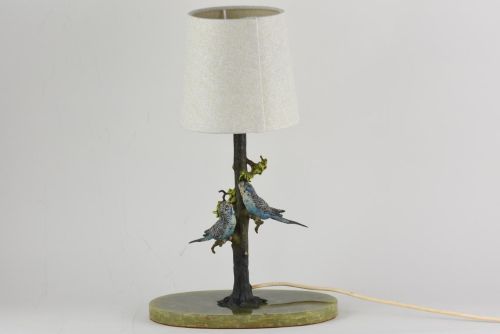
Makers utilised cast brass, silver plate, and patinated bronze for metal columns and figural bases, often combining them with marble or onyx plinths. Ceramic and glass components include Majolica, crystal, cranberry glass, and porcelain bodies, sometimes mounted on metal bases or finished with lacquer.
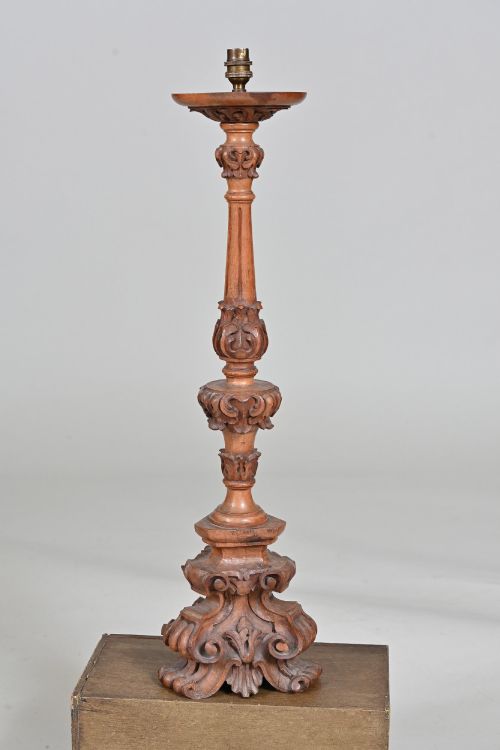
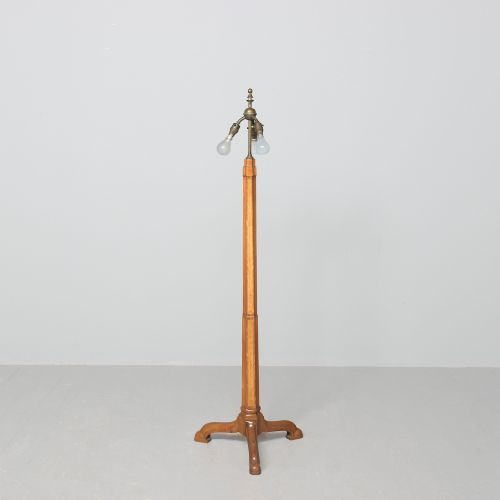
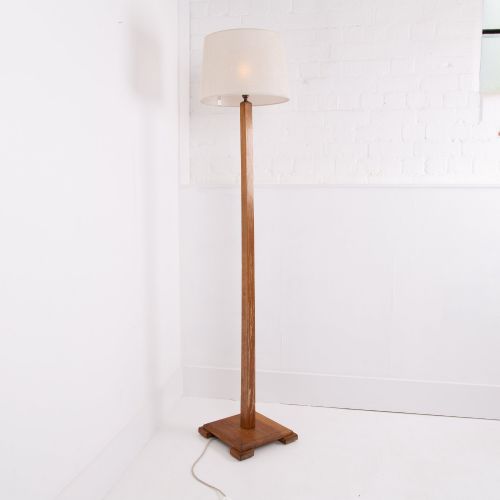
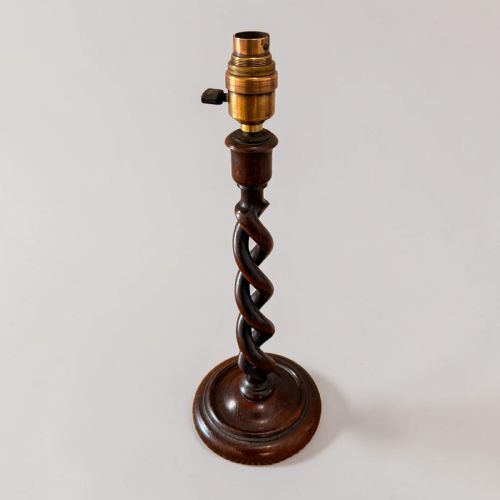
Wooden examples rely on oak and mahogany, shaped into standard lamp shafts or carved table bases, occasionally reflecting specific regional craftsmanship such as the Cotswold School. Construction methods combine turned timber, heavy cast metal weighting, and fitted collar mounts to support burners or electrical fittings.
Vintage Lamp Bases Retail Price Guide 2026
Typical asking prices for vintage lamp bases among the pieces listed under this phrase on Sellingantiques today, from the lower quarter to the upper quarter. They describe what is for sale here now, not the wider market.
An owl sits patiently in ceramic form, watching the room through Victorian glass eyes disguised as a functional lamp.
What varies in quality
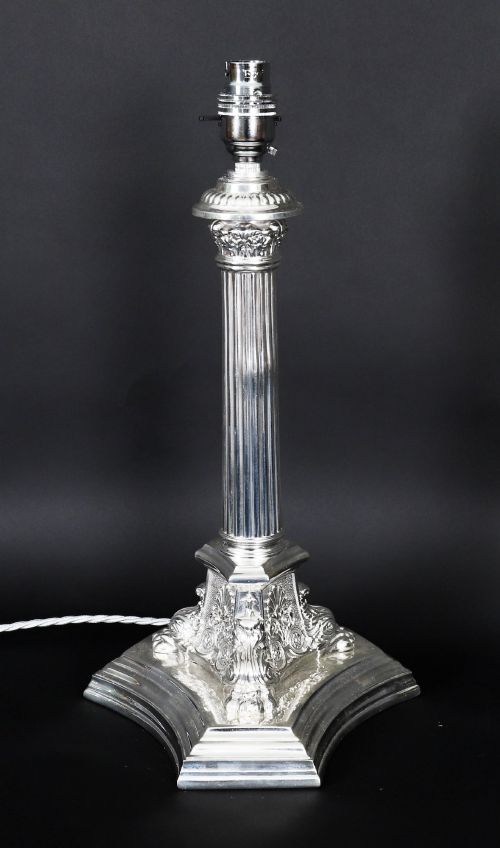
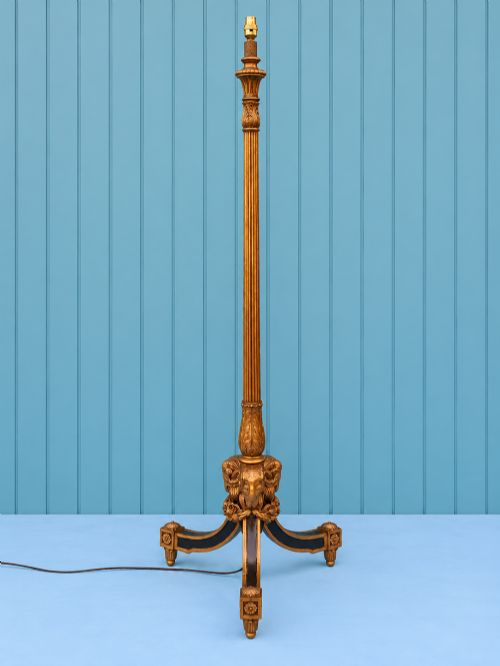
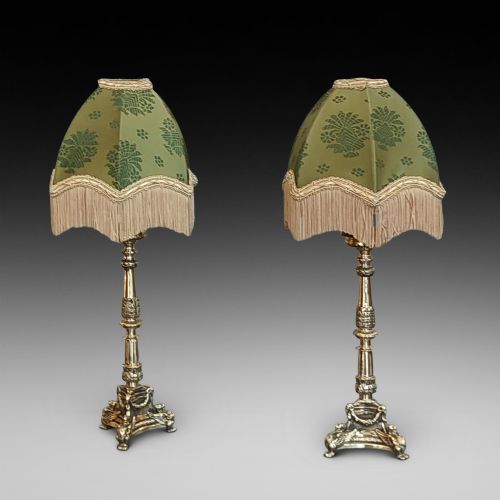
Quality rests in the weight and crispness of the casting, particularly visible in brass Corinthian columns, spelter figures, and silver-plated mounts. Finer examples retain heavier gauge metals, sharper detail in floral or classical chasing, and superior plating thickness.
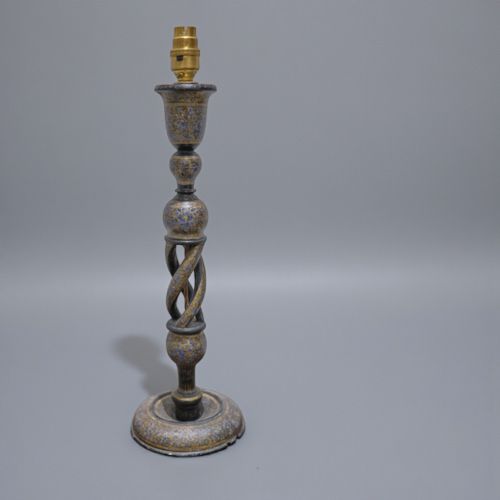
Material selection and decorative execution further differentiate the pieces, from hand-painted Chinoiserie lacquering and etched glass fonts to plain turned timber standards. The integrity of the original construction and the harmony of combined materials dictate the standing of each base within the period.
Arthur Reynolds
The Vintage Lamp Bases Glossary
- Corinthian column
- A classical architectural column form featuring ornate acanthus leaf capitals, frequently utilised for heavy brass and silver-plated table lamps.
- Duplex burner
- A double-wick mechanism found on nineteenth-century oil lamps that later gets converted to electricity.
- Spelter
- A zinc alloy cast into decorative figures and lamp bodies, often given a bronze-like patina during the Art Deco period.
- Majolica
- A type of colourful glazed earthenware popular in the nineteenth century, often moulded into figural or botanical lamp bases.
- Font
- The oil reservoir section of an antique lamp, commonly made from cut glass, ceramic, or brass.
Vintage Lamp Bases: Frequently Asked Questions
How do I choose the right height?
Table lamps vary from compact ceramic vessels to tall Corinthian columns, so measure your surface and intended clearance first. Floor standards require consideration of ceiling height and furniture placement in the room.
Matching the visual weight of the base to your surrounding furniture ensures the proportions look balanced and intentional.
How do I identify the period?
Stylistic clues such as heavy brass Corinthian detailing point to Victorian manufacture, while geometric lines and spelter figures suggest Art Deco design. Materials like oak and specific glazed ceramics often align with Edwardian or Arts and Crafts movements.
Examining the construction methods and font types helps narrow down the decade of production.
Can I use modern lampshades on them?
Most vintage lamp bases use standard threaded fittings or require shade carriers that attach to the bulb holder. Ensuring the fitter matches the shade ring size allows you to pair older bases with contemporary fabric designs.
Proportion remains key when selecting a shade, keeping the diameter wider than the widest part of the base.