

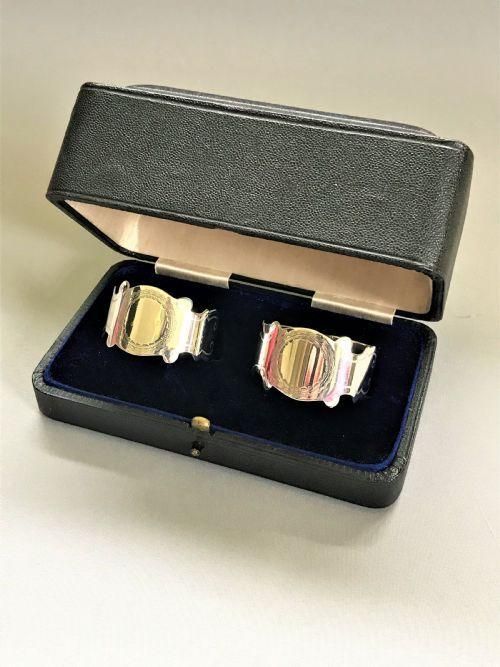


Vintage Jewellery Holder
These vintage jewellery holder pieces protect precious trinkets and adorn dressing tables with period craftsmanship.
Vintage Jewellery Holder
When you search for vintage jewellery holder items, you encounter a varied selection of boxes, ring trees, and small vessels designed to keep valuables safe. The pieces listed span periods from the Victorian era through the Edwardian years up to the mid-twentieth century.
The selection also includes related items such as ring trees and decorative boxes from distinct stylistic traditions including Edwardian and French Belle Epoque designs. Each object serves the practical purpose of holding rings, lockets, or pendants.
Materials and construction methods
Makers utilised sterling silver and various gold purities, including 9ct and 18ct yellow and rose gold, alongside materials like leather and velvet for internal linings. Metals were cast, engraved, or faceted to create small functional boxes and connectors.
Vintage Jewellery Holder Retail Price Guide 2026
Typical asking prices for vintage jewellery holder among the pieces listed under this phrase on Sellingantiques today, from the lower quarter to the upper quarter. They describe what is for sale here now, not the wider market.
Distinguishing finer examples
The distinction between standard pieces and superior examples lies in the crispness of the metalwork and the depth of the decorative engravings. Items featuring detailed hand-engraving or specific maker signatures command greater interest among collectors.
The integrity of internal linings and the smooth operation of closures or hinges further separate everyday items from exceptional survivals. Material weight and the quality of the finish dictate the standing of each piece within its period.
Birks·Georg Jensen
The Vintage Jewellery Holder Glossary
- Ring tree
- A vertical stem mounted on a base designed to hold multiple rings when removed from the fingers. This form became particularly popular during the Edwardian period.
- Sterling silver
- An alloy of silver containing 92.5 percent pure silver and 7.5 percent other metals, usually copper. This standard appears frequently across Victorian and Edwardian boxes.
- Locket
- A small hinged case worn on a chain to hold a portrait or lock of hair. Examples range from simple circular 9ct gold designs to French faceted glass versions.
- Split ring
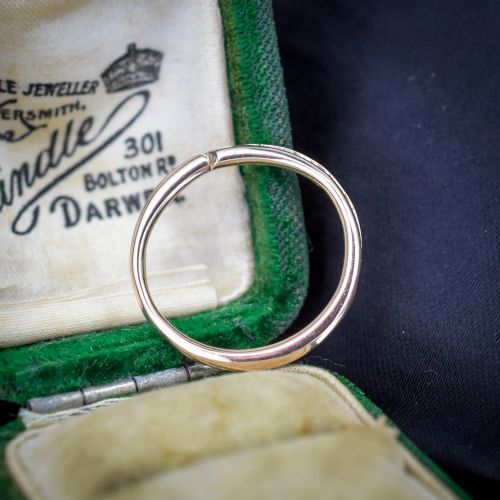
- A small circular band of spring metal with overlapping ends used to attach charms or keys securely. These appear in Victorian jewellery findings.
- Pot pourri box
- A small decorative vessel with a pierced lid designed to hold scented dried plant material while also serving as a trinket container.
Vintage Jewellery Holder: Frequently Asked Questions
What is a ring tree?
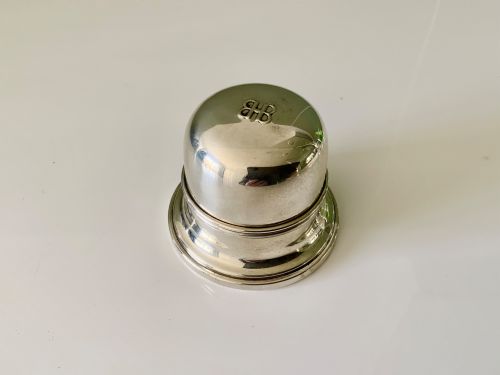
A ring tree is a small vertical stand, often made of silver during the Edwardian era, designed to hold rings securely on a dressing table.
Collectors prize them for their distinct upright form and practical utility in domestic settings.
How were silver trinket boxes used?
These small containers protected delicate rings, pins, and brooches from dust and loss in the bedroom or boudoir.
They often featured velvet or silk linings to cushion the jewellery placed inside them.
How do I date an Edwardian box?
Dating relies on hallmarks stamped into the silver or gold, alongside stylistic cues such as floral motifs typical of the early twentieth century.
Maker marks and registration numbers stamped on the metal provide further clues to the exact year of manufacture.
Are these items made of solid silver?
Many items from this category utilise sterling silver or various gold purities, while others incorporate glass or leather elements.
Assay office marks on the metal confirm the exact standard used by the maker.