






Vintage Jewellery Cabinet
These vintage jewellery cabinet pieces offer compact elegance and secure storage for small treasures, drawing collectors who appreciate fine period craftsmanship.
Vintage Jewellery Cabinet
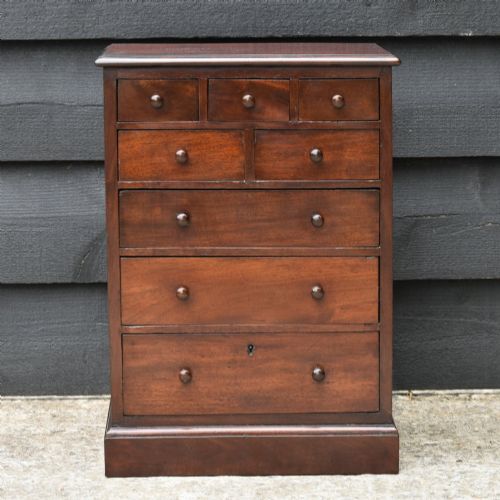
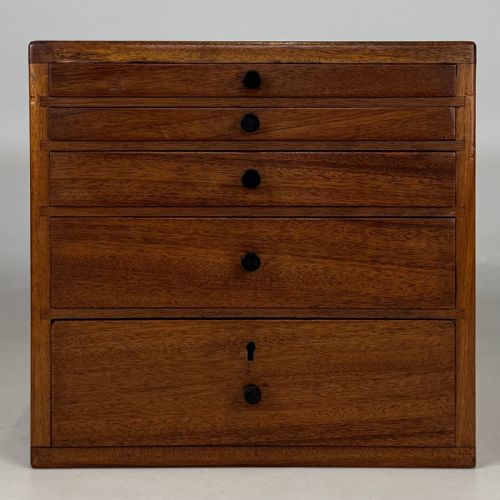
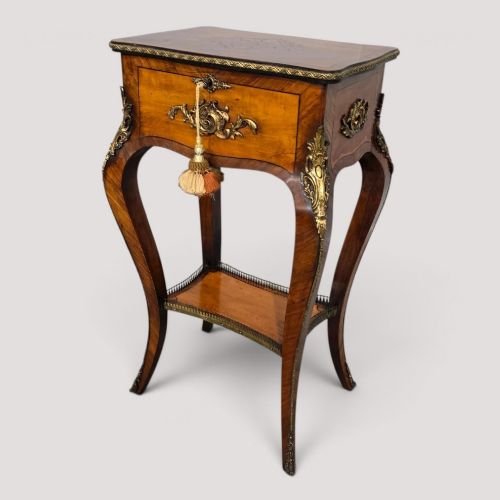
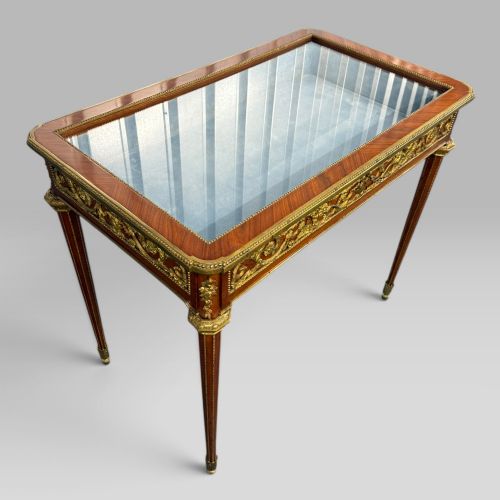
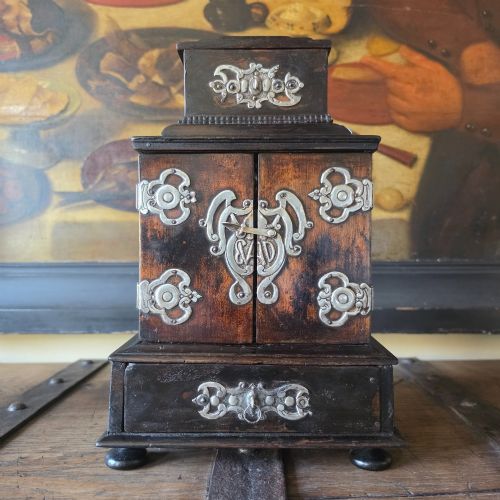
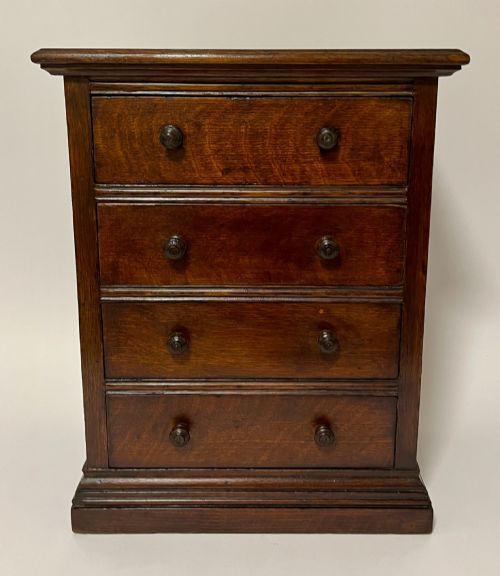
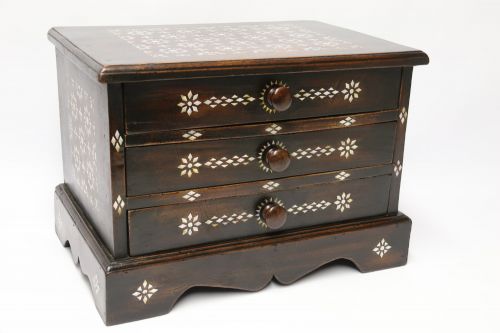
A vintage jewellery cabinet encompasses a diverse group of small storage pieces, ranging from miniature chests of drawers and tabletop display cases to dedicated jewellery boxes and bijouterie tables. Buyers seeking a vintage jewellery cabinet will frequently encounter Edwardian and Victorian mahogany designs, alongside walnut, oak, and glazed display counters.
The selection on this page includes vernacular apprentice pieces, French Louis XVI style bijouterie display tables, and Japanese black lacquered table cabinets. These forms served various historical functions, from shop displays and dental storage to private bedside organisation for precious trinkets and rings.
Originating across different periods including the eighteenth, nineteenth, and early twentieth centuries, these items bring tangible historical utility into modern interiors. Most examples prioritize tabletop or desktop placement, offering segmented compartments or velvet-lined interiors tailored for precious items.
How they were made
Cabinet makers relied on solid timbers and veneers like mahogany, walnut, satinwood, and oak, often shaping them into miniature chests or glazed vitrines. Brass hardware, ormolu mounts, and inlaid marquetry frequently accent the primary woods to elevate the decorative presence of each piece.
Interiors typically feature soft textile linings such as velvet, combined with milk glass or transparent glass panels for display cabinets and bijouterie tables. Joinery techniques varied from traditional dovetailing in miniature drawer construction to secure framing for glass-topped display counters.
Vintage Jewellery Cabinet Retail Price Guide 2026
Typical asking prices for vintage jewellery cabinet among the pieces listed under this phrase on Sellingantiques today, from the lower quarter to the upper quarter. They describe what is for sale here now, not the wider market.
One unexpected display table bears later sign-written detail for Breitling watches, mixing fine nineteenth-century cabinet work with twentieth-century horological marketing.
What varies in quality
The standard of a piece rests heavily on the selection of timber veneers, the crispness of marquetry inlay, and the precision of the cabinet joinery. Superior examples maintain structural integrity in their miniature drawers and hinges while preserving original glass panes and period brass or ormolu mounts.
Refinement in decorative carving and the harmonization of revival styles - such as French Rococo or Louis XVI - distinguish masterwork items from more utilitarian shop counters or apprentice pieces. The retention of original keys, functional locks, and clean interior velvet linings further separates standard storage boxes from exceptional collector pieces.
François Linke·Edwards & Roberts
The Vintage Jewellery Cabinet Glossary
- Bijouterie table
- A glass-topped display table specifically designed for showing small ornaments, medals, and jewellery. These pieces usually feature hinged lids and velvet-lined interiors.
- Apprentice piece
- A miniature item of furniture created by a craftsman to demonstrate skill and secure trade guild membership. These often take the form of small chests of drawers.
- Ormolu
- Gilt bronze ornamentation applied to furniture and decorative objects, popular in French revival styles. This technique adds a bright metallic contrast to dark woods.
- Marquetry
- Decorative veneer patterns formed by fitting together small pieces of wood, shell, or ivory. Craftsmen used this technique to create intricate geometric or floral designs on cabinet surfaces.
- Vitrine
- A glass-fronted or glass-topped cabinet used for displaying precious objects and curiosities. They protect contents from dust while offering complete visual access.
Vintage Jewellery Cabinet: Frequently Asked Questions
What is a vintage jewellery cabinet used for?
These cabinets store and display precious rings, necklaces, and small personal trinkets safely. Historically, they sat on dressing tables or counters for both private organisation and visual appreciation.
Today, they serve a similar purpose in modern homes, protecting valuable items while adding period character to a room.
How do I identify an Edwardian cabinet?
Edwardian pieces often feature lighter woods like satinwood or inlaid mahogany, reflecting a shift away from heavier Victorian aesthetics. Look for refined neoclassical influences and delicate proportions.
They frequently incorporate glass panels or velvet linings suited for displaying small collectables.
What are apprentice pieces?
Apprentice pieces are small-scale models of full-sized furniture built by trainees to prove their mastery of woodworking techniques. They share the same dovetail joinery and timber quality as larger chests.
Collectors prize them for their charming proportions and historical association with trade training.
Where should I place a table cabinet?
Table cabinets and bijouterie tables suit placement on dressing tables, sideboards, or dedicated desks where their contents remain visible. Glass-topped versions benefit from natural light to showcase items inside.
Ensure they sit away from direct sunlight to protect delicate textiles and timber finishes.