




Vintage Jardiniere Column
A vintage jardiniere column elevates your greenery to make a proper statement in any room.
Vintage Jardiniere Column
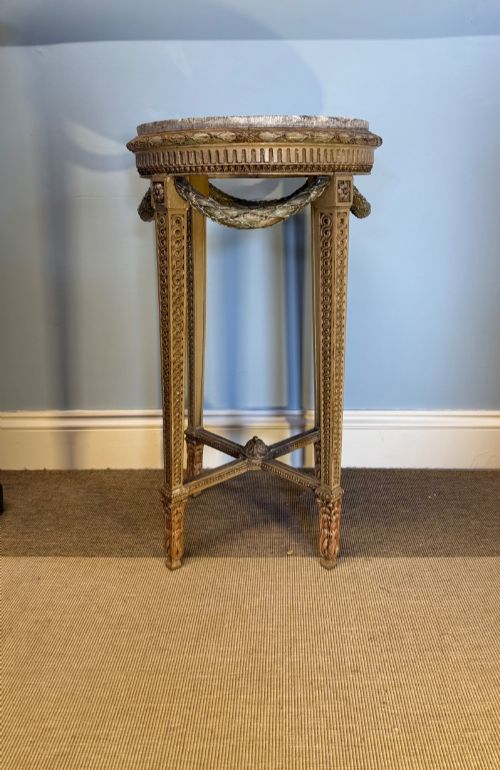
A vintage jardiniere column serves as a dedicated support for potted plants and decorative planters, elevating them to draw the eye within a room. These pieces appear in forms such as plant stands, torchères, and planter tables.
The selections available here span numerous periods including the Victorian and Edwardian eras, alongside the nineteenth and twentieth centuries. You will encounter styles ranging from Arts and Crafts to French Empire and Louis XVI revival.
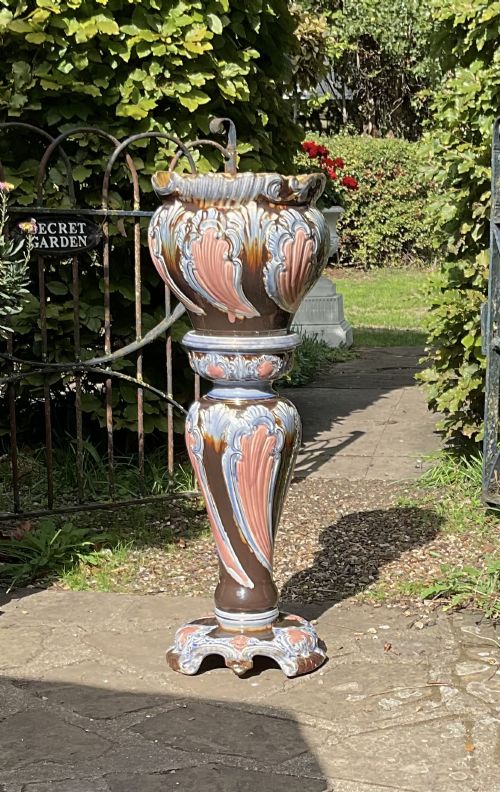
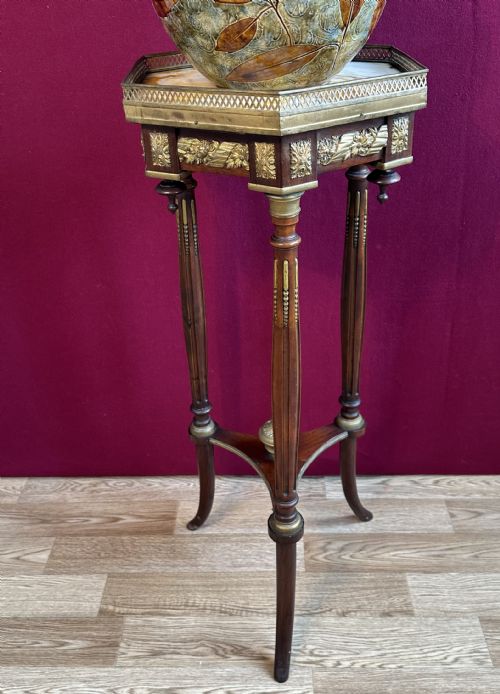
Most examples function primarily as plant stands or specialised jardiniere stands, designed to hold heavy earthenware, pottery, or marble-topped vessels securely. They bridge the gap between functional furniture and decorative display.
Materials and construction methods
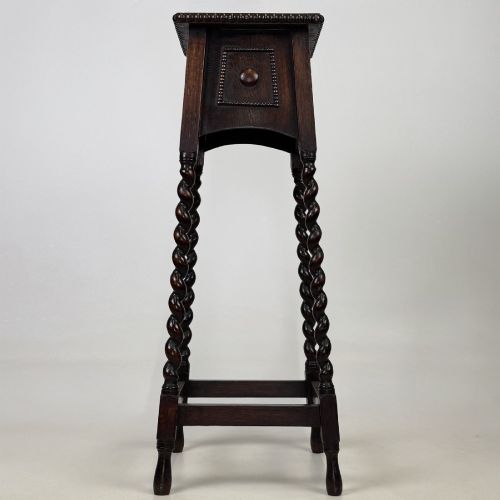
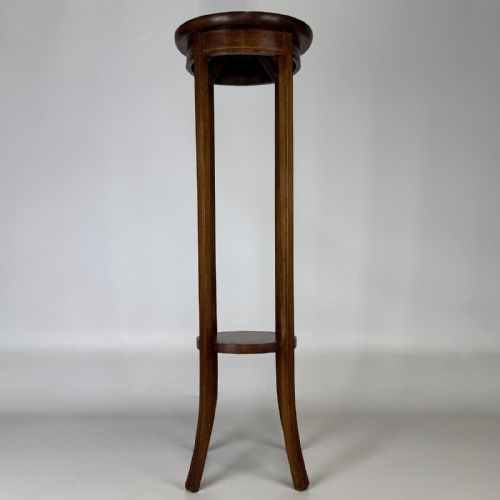
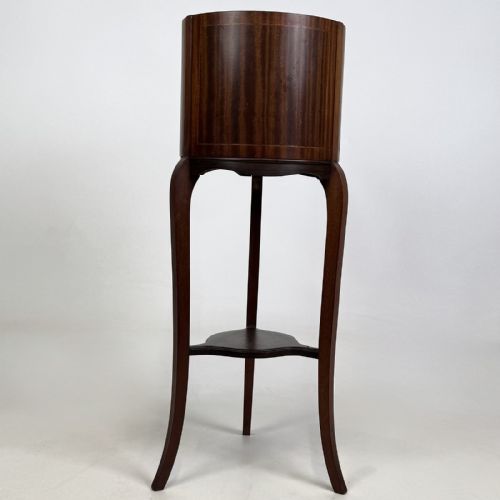
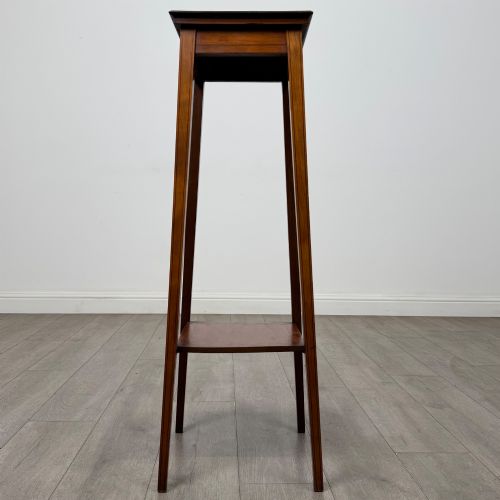
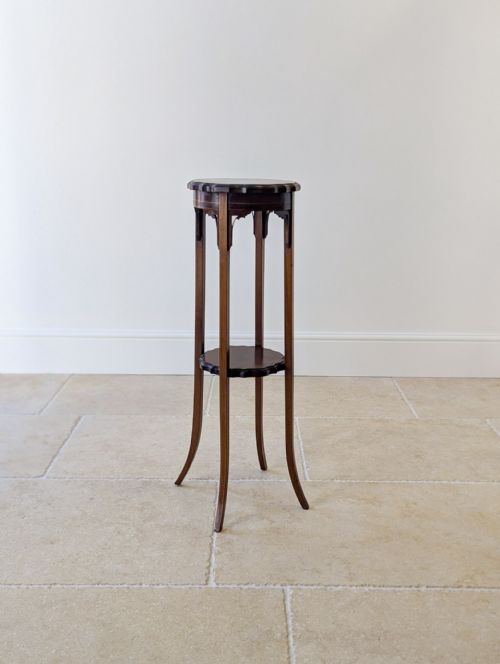
Craftsmen utilised robust timbers such as mahogany, oak, and walnut, often embellishing them with boxwood inlay or delicate satinwood. Turned elements like barley twist legs appear frequently among the wooden examples.
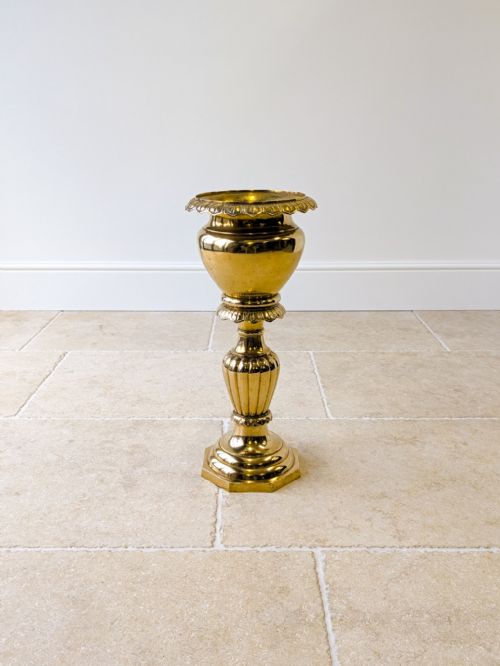
Other pieces incorporate contrasting materials, pairing brass mounts and marble tops with mahogany or walnut frames. Earthenware and art pottery faience also feature prominently in the construction of the planter sections.
Vintage Jardiniere Column Retail Price Guide 2026
Typical asking prices for vintage jardiniere column among the pieces listed under this phrase on Sellingantiques today, from the lower quarter to the upper quarter. They describe what is for sale here now, not the wider market.
Materials in these listings include mahogany, marble, oak, brass, boxwood inlay, earthenware, satinwood, and onyx.
Distinctions in quality
Quality rests in the precision of the timber selection and the crispness of any inlay work, such as boxwood and satinwood details. Substantial pieces with fitted marble tops or solid brass mounts represent a higher tier of craftsmanship compared to simpler turned wood variants.
The integrity of the structural joints and the weight distribution determine stability, particularly on taller torchères and multi-tiered stands. Art pottery components demonstrate quality through the execution of naturalistic glazes and firing techniques.
The Vintage Jardiniere Column Glossary
- Jardiniere
- An ornamental pot or stand for holding flowers and plants. They often sit atop dedicated columns or pedestals.
- Torchere
- A tall ornamental stand originally designed to carry a torch or candle, later adapted for displaying plants or lamps.
- Barley twist
- A type of turning shaped like a spiral rope or twist, common in wooden furniture legs from various periods.
- Faience
- Tinsmith or pottery glazed with a coloured tin-glaze, frequently seen on decorative planters from the nineteenth century.
- Inlay
- A technique where pieces of contrasting material are inserted into a recessed surface to form a pattern.
Vintage Jardiniere Column: Frequently Asked Questions
What is a jardiniere column used for?
These columns elevate heavy potted plants, ferns, or decorative planter bowls to a height where they become a focal point in a reception room or hallway. Their primary function is display, supporting the weight of damp soil and ceramic vessels safely off the floor.
Historically, they allowed homeowners to bring large greenhouse plants indoors for seasonal display without cluttering surface tables or damaging furniture.
How do I style a plant stand at home?
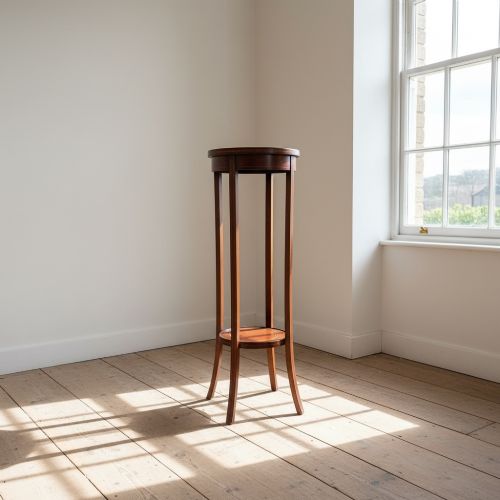
Place a tall stand in an empty corner, near a window, or flanking a fireplace to add vertical interest and break up flat expanses of wall. Pairing the timber or brass finish with the tone of surrounding furniture helps the piece anchor the space naturally.
Select trailing plants or structured ferns for the top to soften the architectural lines of the column and create a balanced silhouette.
How do I tell Victorian columns apart from Edwardian ones?
Victorian stands tend to feature heavier timbers, darker finishes, and more ornate carving or robust turning, reflecting the decorative tastes of the nineteenth century. Edwardian examples often display lighter woods like satinwood and mahogany, frequently incorporating delicate inlay work.
Examining the joinery and the specific style influences, such as Arts and Crafts or French revival, also helps clarify the period of origin.