






Vintage Industrial Stool
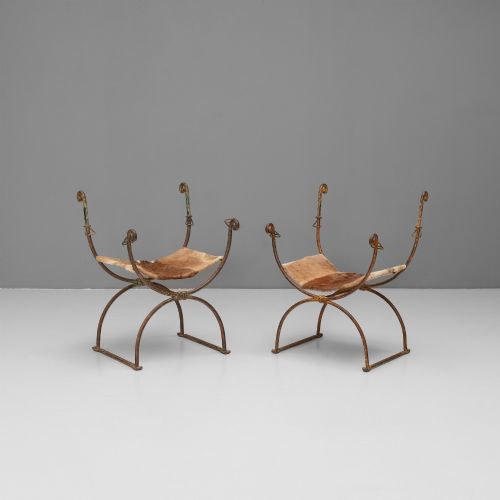
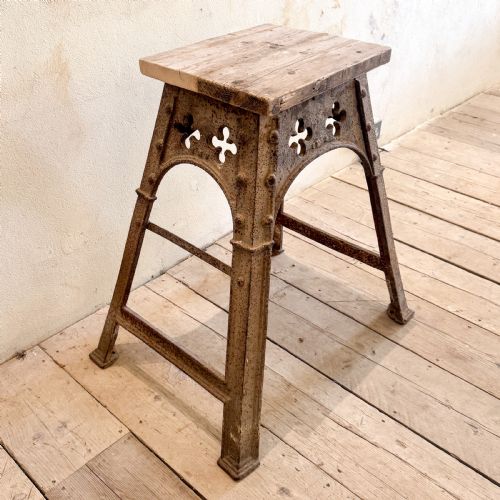
These vintage industrial stools combine utilitarian cast iron and timber for workshops, mills, and offices.
Vintage Industrial Stool
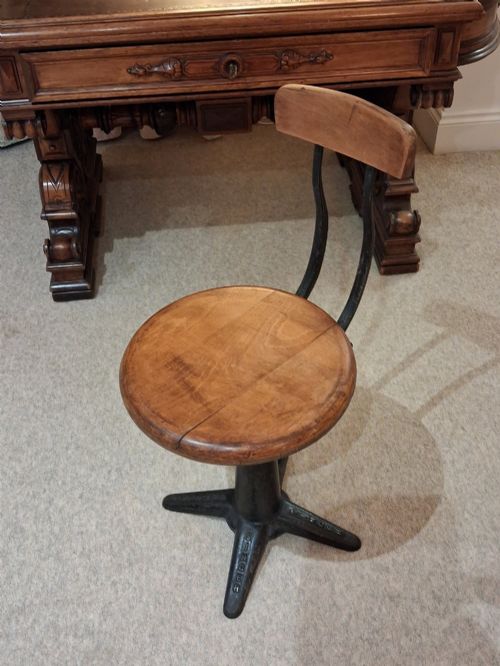
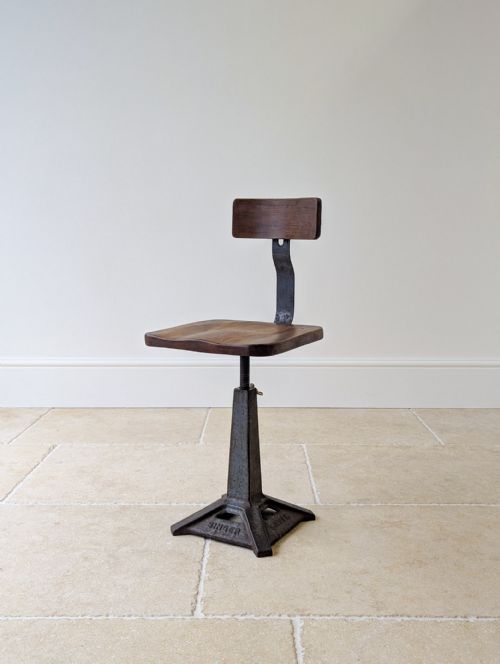
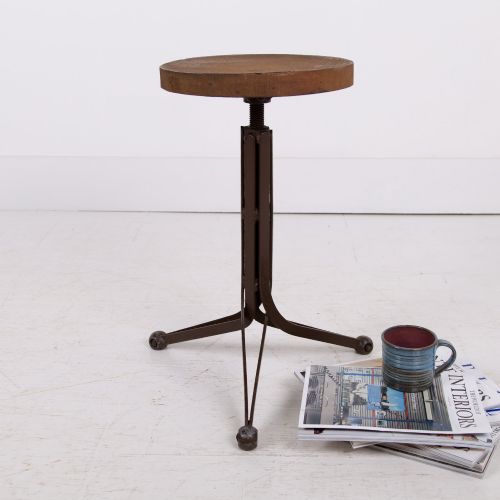
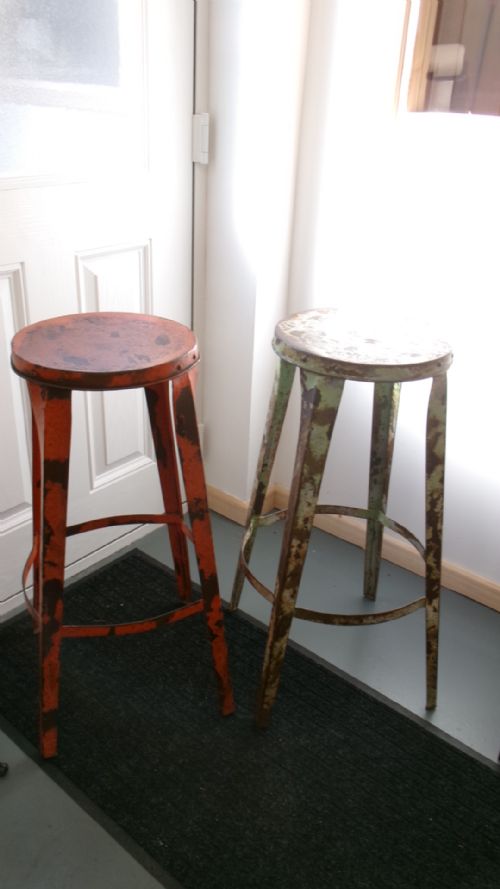
A vintage industrial stool serves as a sturdy seat originating from factories, workshops, and railways, built for heavy daily use rather than display. When browsing this selection, buyers frequently encounter revolving workshop stools, machinist seats, and tall bar stools featuring robust metal bases.
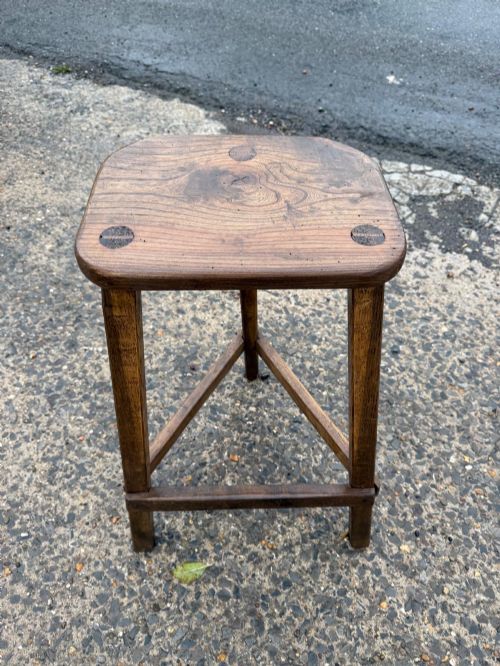
The materials reflect practical workplace demands, pairing cast iron or steel with timber tops such as elm, oak, and pine. Many examples originate from the Victorian era up through the nineteen-thirties, spanning machinist chairs, mill worker seats, and laboratory stools.
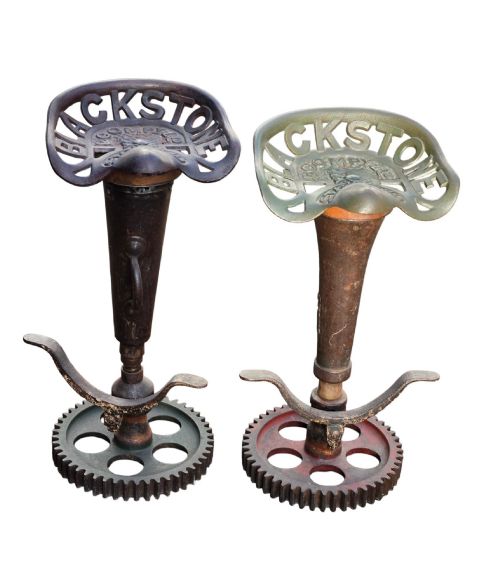
Origins vary from railway workshops to textile mills, with distinct makers marking their cast-iron seats and gear cog bases. These pieces bring functional utility into modern spaces, offering adjustable heights and pivoting mechanisms designed for practical tasks.
Materials and construction methods
Makers constructed these pieces using heavy structural metals like cast iron, steel, and wrought iron for frames and bases, often incorporating riveted joints and gear cogs. These metal components provide the weight and rigidity necessary to withstand demanding factory environments.
Wooden elements such as elm, oak, and pine form the seats, shaped with simple contours for endurance rather than decoration. Joinery and metal fastenings prioritize mechanical strength, utilising bolts and rivets to secure timber tops to pivoting columns.
Vintage Industrial Stool Retail Price Guide 2026
Typical asking prices for vintage industrial stool among the pieces listed under this phrase on Sellingantiques today, from the lower quarter to the upper quarter. They describe what is for sale here now, not the wider market.
Listings span the nineteenth century through the nineteen-fifties, utilising cast iron, steel, elm, pine, and oak across diverse workshop forms.
Distinguishing quality in construction
Quality rests in the heaviness of the casting and the mechanical integrity of the swivel or adjustment mechanism. Stools bearing legible maker details on iron seats or gear bases typically represent higher manufacturing standards.
The choice of timber top matters, with dense hardwoods like elm and oak showing superior durability compared to softer pine alternatives. Preserved original surfaces on both the metal frame and the wooden seat separate well-maintained workshop survivors from heavily altered examples.
Blackstone & Co.·Singer·Rubery Owen·Evertaut
The Vintage Industrial Stool Glossary
- Cast Iron
- A hard, brittle iron alloy produced by casting, used extensively for heavy machinery bases and robust stool frames. It provides exceptional weight and stability.
- Machinist Chair
- A specialised workshop seat featuring an adjustable metal stem and a revolving top designed for factory operators. These pieces prioritize ergonomic utility for long shifts.
- Gear Cog Base
- A support structure incorporating mechanical cogs and wheels, often salvaged from industrial machinery to adjust height. This design element adds significant visual weight.
- Elm
- A durable, tough hardwood frequently selected for Windsor and workshop stool seats due to its resistance to splitting. The grain offers a distinct texture beneath clear finishes.
- Revolving Stool
- A seat equipped with a threaded spindle or pivot mechanism allowing the user to turn or alter height. This mechanical function remains central to workshop utility.
Vintage Industrial Stool: Frequently Asked Questions
What defines an industrial stool?
These seats originate from factories, mills, and workshops, built strictly for utility using cast iron, steel, and solid timber. Their design emphasises mechanical function, adjustable height, and heavy-duty durability.
They lack decorative flourishes, instead displaying the raw materials and fastenings required for demanding industrial environments.
How do I identify the period?
Dating relies on material combinations, manufacturing techniques, and visible maker details on iron seats or bases. Victorian examples often feature ornate cast-iron legs, while pieces from the nineteen-thirties introduce streamlined steel frames.
Stamped company names and patent marks help narrow down the decade of production.
Are these seats adjustable?
Many workshop and machinist variants include a threaded metal spindle or pin mechanism for height adjustment. This allowed workers to alter the seat level to match specific machinery or benches.
Swivel functions were essential in busy industrial settings where mobility mattered.
How do I style them at home?
Their robust proportions suit kitchen islands, home bars, and utilitarian workspaces as high seating. The contrast between weathered timber and dark metal anchors modern or traditional interiors.
Pairing them with simple tables highlights their architectural frames and utilitarian history.