



Vintage Industrial Bench
A vintage industrial bench brings honest utility into a room, forged from heavy iron and seasoned timber for decades of daily service.
Vintage Industrial Bench
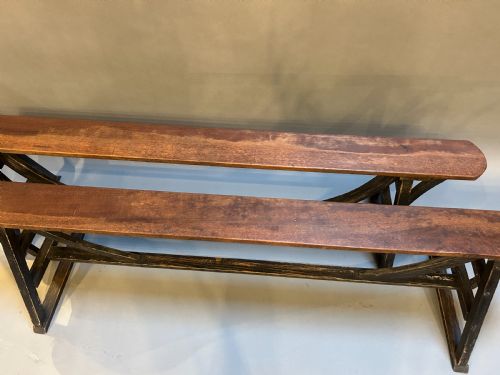
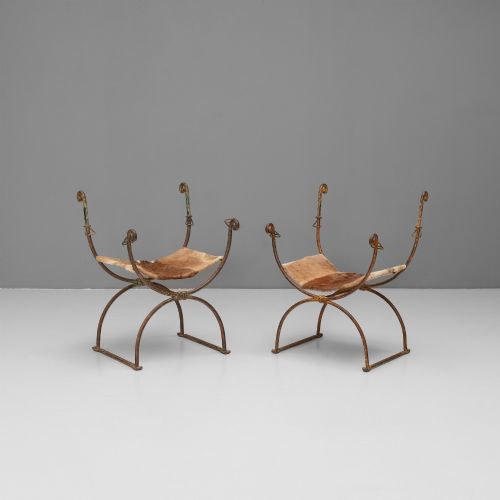
A vintage industrial bench spans hard-wearing workshop tables, railway seating, and gym benches originating from the nineteenth and early twentieth centuries. These sturdy pieces serve as practical hallway seats, console tables, or coffee tables within modern homes.
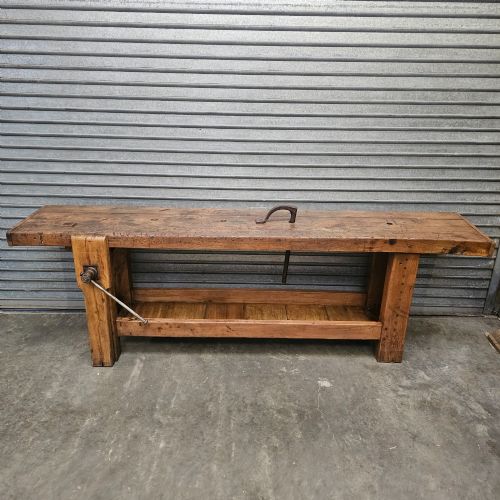
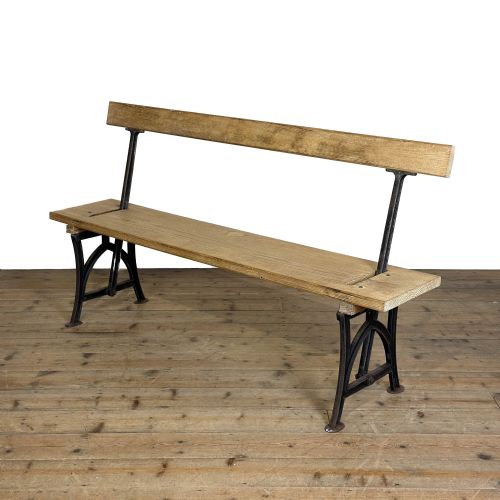
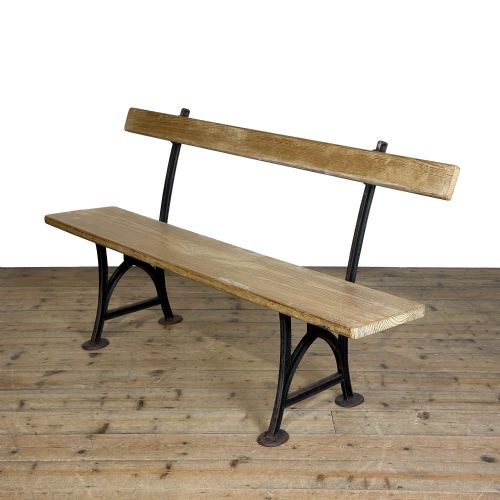
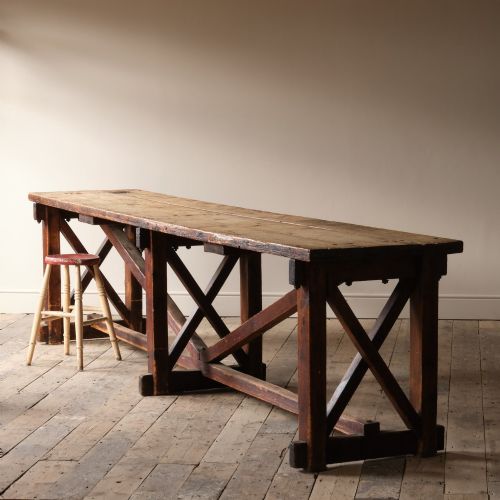
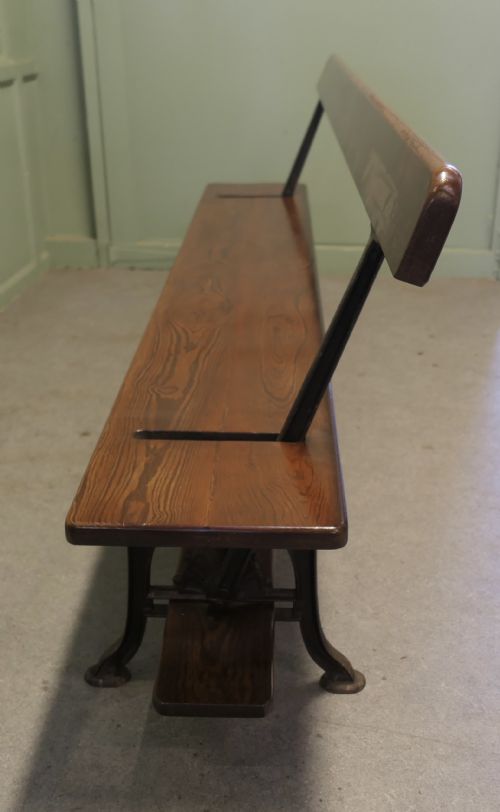
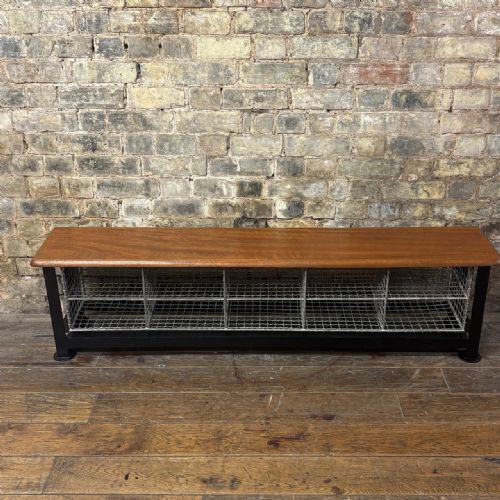
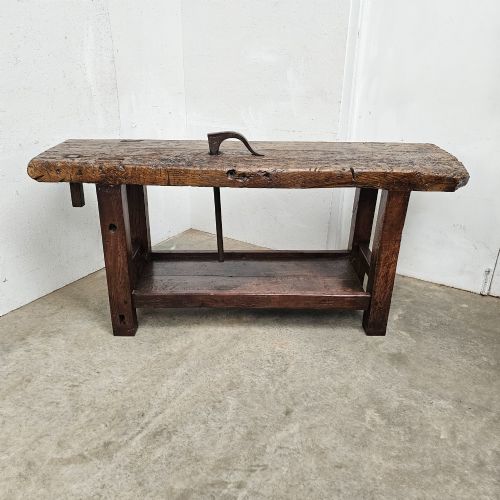
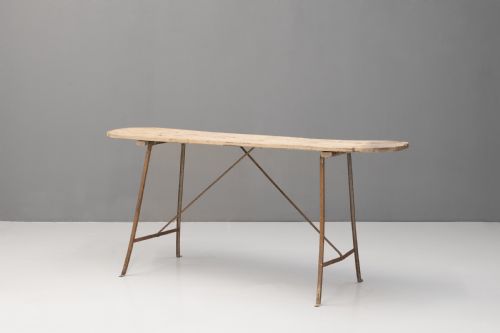
The selection ranges from French artisan workbenches fitted with vices and clamping bars to Victorian railway station and tram benches. Buyers also encounter school gym shoe benches, flip-over pine designs, and heavy foundry tables made from timber and metal.
How They Were Made
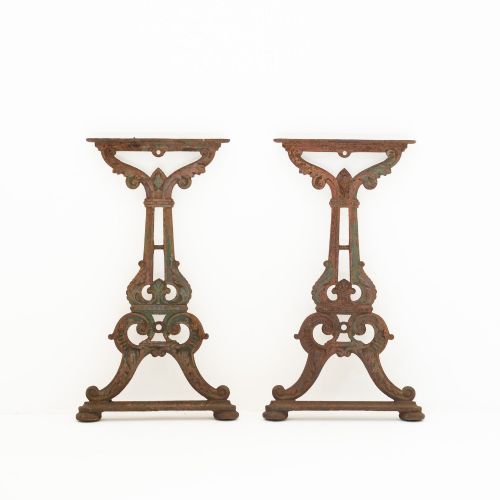
These pieces rely on robust combinations of pine, oak, beech, and pitch pine joined to heavy cast iron, steel, and plain iron frameworks. Workshops built them for endurance, utilising thick timber tops and durable metal bases designed to withstand heavy daily labour.
Makers integrated functional elements such as working vises, clamping bars, and reversible backs into the construction. Original surfaces often display remnants of paint, aged patination from oil and tools, and substantial structural hardware.
Vintage Industrial Bench Retail Price Guide 2026
Typical asking prices for vintage industrial bench among the pieces listed under this phrase on Sellingantiques today, from the lower quarter to the upper quarter. They describe what is for sale here now, not the wider market.
The listings feature pieces spanning the nineteenth century through the 1930s, utilising pine, oak, cast iron, and steel.
What Varies in Quality
Quality rests in the integrity of the original construction and the depth of the material's working history. Pieces retaining functional mechanisms like operating vises or reversible railway fittings command greater interest.
The character of the timber and the honesty of the wear distinguish individual examples. Desirable pieces show genuine working patination on the pine or oak surfaces rather than manufactured distress.
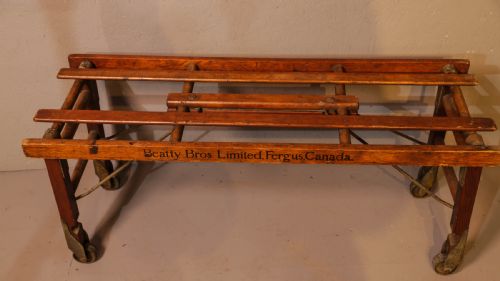
Beatty Bros Fergus Canada·Trussant And Cie
The Vintage Industrial Bench Glossary
- Workbench
- A heavy-duty table used by craftspeople, typically featuring thick wooden tops and integrated vices or clamping bars. These utilitarian forms now serve as console tables or kitchen islands.
- Pitch Pine
- A durable resinous softwood frequently used in nineteenth-century utilitarian furniture and railway seating. It provides exceptional strength and a distinct grain pattern.
- Cast Iron
- An iron-carbon alloy poured into moulds to create rigid structural bases and machine frames. It forms the indestructible foundation of many Victorian industrial tables.
- Flip-Over Bench
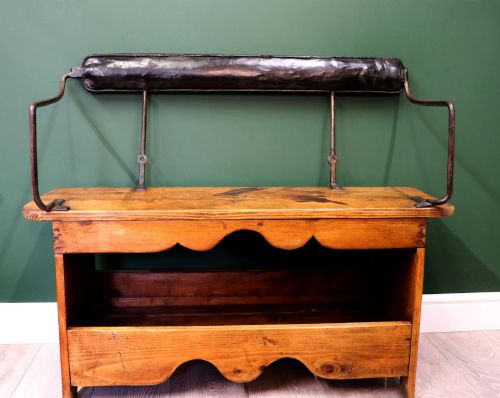
- A dual-purpose seating design with a reversible backrest that pivots to face either direction. They were commonly utilised in public transport settings such as tram and trolley buses.
- Patina
- The surface sheen and colour acquired by wood and metal through age, handling, and use. It serves as a visual record of the piece's working life.
Vintage Industrial Bench: Frequently Asked Questions
How do I clean a wooden workbench top?
Maintain the aged surface by wiping it down with a dry or slightly damp cloth to remove dust. Avoid harsh chemical cleaners that strip the historic oils and patination.
Nourish dry pine or oak occasionally with a clear natural wax to preserve the timber. This protects the wood while keeping the honest appearance intact.
Are these benches suitable for daily seating?
Most examples were built for robust public or workshop use and remain structurally solid for sitting. Railway benches, gym benches, and hall seats offer sturdy everyday support.
Some specialist workbenches feature low heights or integrated vices that make seating less practical. Consider the dimensions carefully if you intend to use the piece primarily for sitting.
How can I tell a Victorian bench apart from a 1930s one?
Nineteenth-century pieces often display heavier cast iron components, hand-cut joinery, and dense timbers like pitch pine or oak. Their construction reflects traditional carpentry methods designed for heavy manual labour.
Later pieces from the 1920s and 1930s frequently incorporate steel sections, lighter painted pine, and simpler bolted construction. School gym benches and utilitarian factory tables typically date from this twentieth-century period.
Can I use an artisan workbench as a kitchen island?
A substantial workshop bench provides an exceptional surface for food preparation and general kitchen utility. The thick timber tops handle daily tasks easily, mirroring their original workshop purpose.
Ensure the height matches your requirements before installation, as historic workbenches vary considerably. Some pieces may require minor adjustments to feel comfortable for domestic kitchen work.