



Vintage Humidor Cabinet
A vintage humidor cabinet stores cigars properly while lending a rich, period accent to a study or club lounge.
Vintage Humidor Cabinet
A vintage humidor cabinet is a specialised storage case designed to preserve cigars and tobacco, frequently taking the form of a tabletop box or a wall-mounted smoking cabinet. Buyers searching this phrase encounter pieces dating from the Regency period through to the Edwardian era, with Victorian examples appearing regularly.
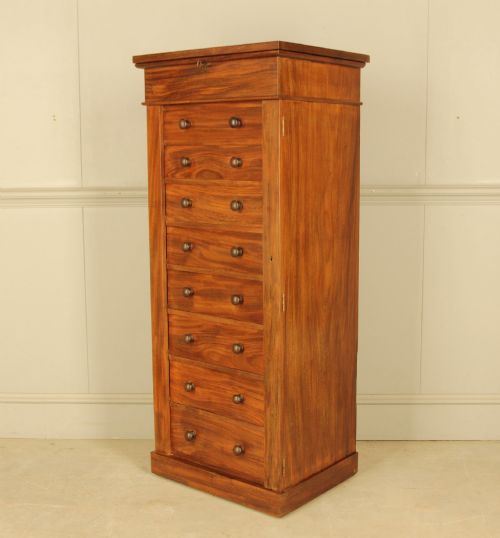
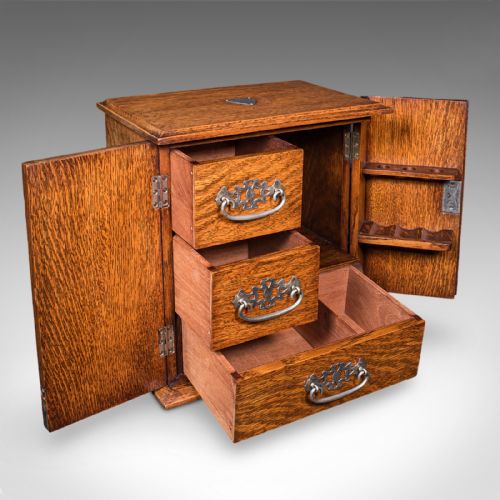
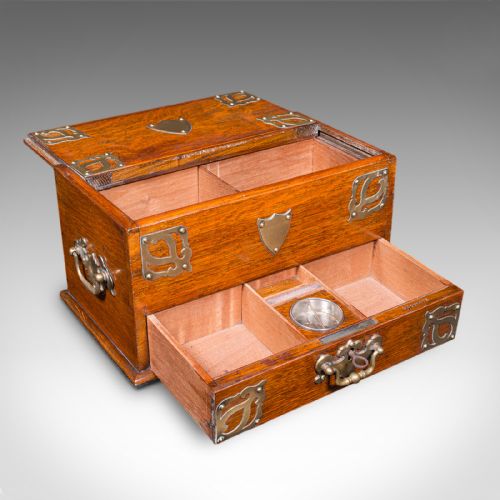
The objects seen on this page span several functional types, including dedicated cigar humidors, smokers boxes, and smoking cabinets equipped with internal drawers and pipe racks. Materials range from traditional golden oak and burr walnut to cedar linings designed to maintain leaf moisture.
Origins heavily favour English craftsmanship, alongside specific commercial counter displays such as Cuban cigar shop cabinets. Formats vary from standard desktop cases to unusual novelty designs like coal wagon cabinets.
How they were made
Cabinet makers utilised dense hardwoods such as oak, satinwood, and burr walnut for the exterior shells, often applying polished finishes to highlight natural grain patterns. Cedar wood was selected for internal construction to regulate humidity and impart a traditional aroma.
Hardware elements included brass hinges, lock mechanisms, and handles, which provided functional security for valuable tobacco stocks. Structural formats incorporated tambour doors, fitted drawers, and hinged lids.
Vintage Humidor Cabinet Retail Price Guide 2026
Typical asking prices for vintage humidor cabinet among the pieces listed under this phrase on Sellingantiques today, from the lower quarter to the upper quarter. They describe what is for sale here now, not the wider market.
Listings span the Regency, Victorian, and Edwardian periods, constructed predominantly in oak, burr walnut, and cedar.
What varies in quality
Quality differences stem from the choice of exterior timber and the complexity of the cabinet construction. Finer examples display figured burr walnut or satinwood veneers, whereas utilitarian pieces utilise straightforward golden oak.
The sophistication of the internal fittings, such as multiple locking drawers and dedicated pipe holders, distinguishes standard storage boxes from superior gentleman's cabinets. Original brass hardware and working locks also elevate the standing of a piece.
H. Upmann
The Vintage Humidor Cabinet Glossary
- Humidor
- A moisture-controlled container designed to keep cigars fresh. It relies on tight-fitting lids or doors to seal the interior environment.
- Burr walnut
- A highly figured wood veneer taken from the wart or burl growth of a walnut tree. It produces swirling, decorative patterns across cabinet surfaces.
- Tambour
- A flexible door constructed from narrow slats of wood glued to a fabric backing. It slides along a track to conceal internal shelving or drawers.
Vintage Humidor Cabinet: Frequently Asked Questions
What is a vintage humidor cabinet used for?
These cabinets were built to store and preserve cigars and smoking paraphernalia. Interior compartments kept tobacco fresh and organised.
Today, they serve both as functional storage and as decorative period items for studies and living spaces.
How do I maintain humidity inside an old humidor?
Many vintage pieces require modern humidification inserts placed inside the cedar-lined interior. Testing the seal of the doors or lid ensures moisture remains stable.
Careful placement away from direct sunlight protects the wood veneers and internal mechanisms.
How do I tell Victorian cabinets apart from Edwardian ones?
Victorian examples often feature dark, heavily figured burr walnut and ornate brass hardware. They tend to have a heavier, more substantial presence.
Edwardian pieces frequently showcase lighter golden oak and simpler, cleaner lines associated with early twentieth-century design.
Were all of these cabinets made in England?
The majority of pieces recorded here originate from English workshops and cabinet makers. Some examples relate to specific commercial import brands.
Regional variations appear in the choice of timber, such as standard oak versus exotic satinwood.