


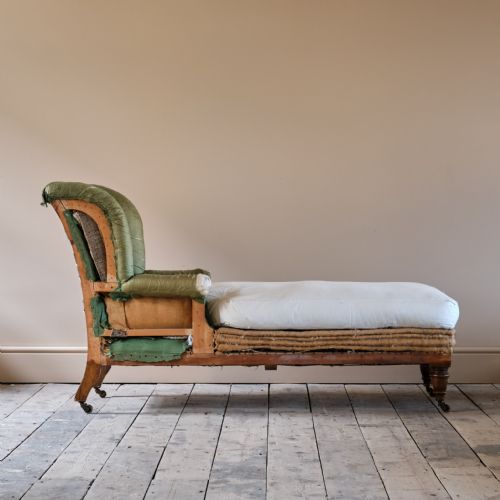


Vintage Howard Chair
These vintage howard chair examples combine deep-seated comfort with traditional English upholstery, offering lasting support for any sitting room.
Vintage Howard Chair
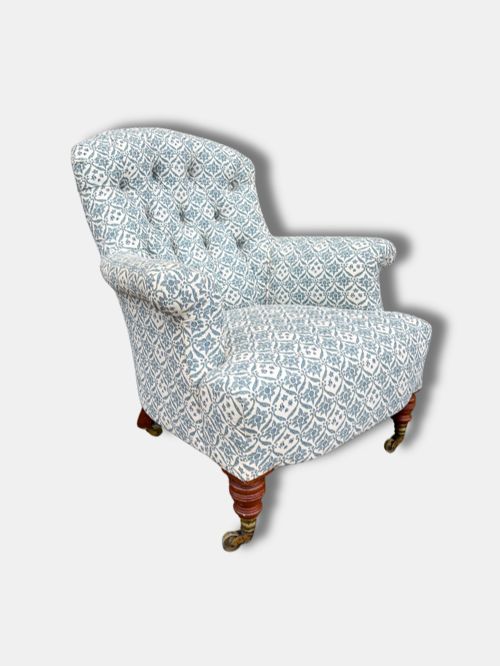
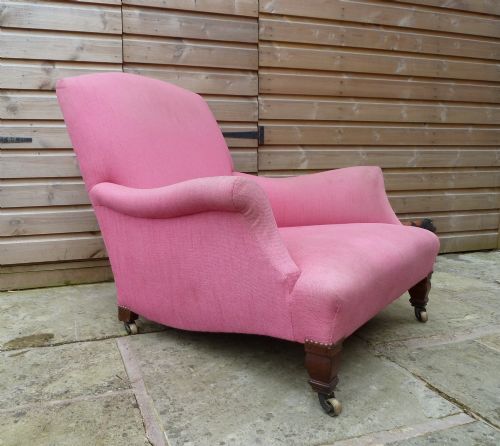
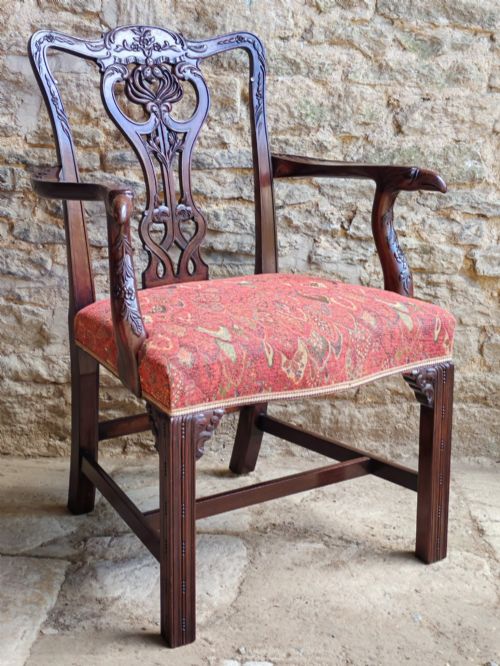
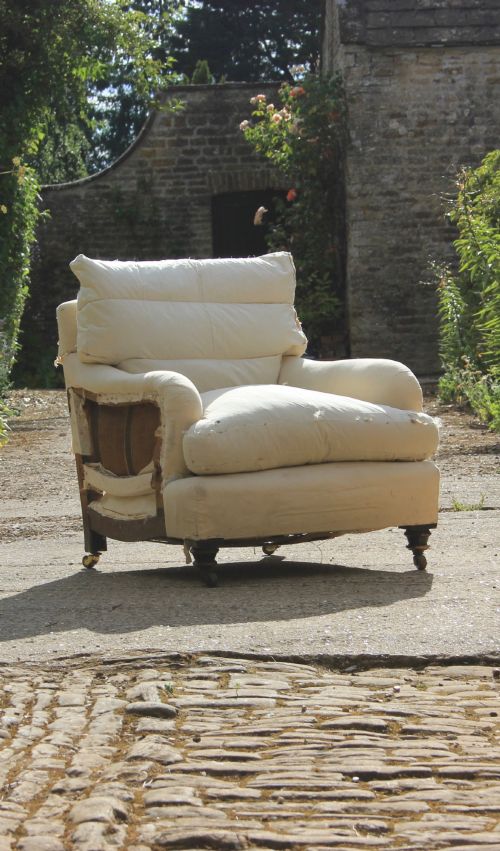
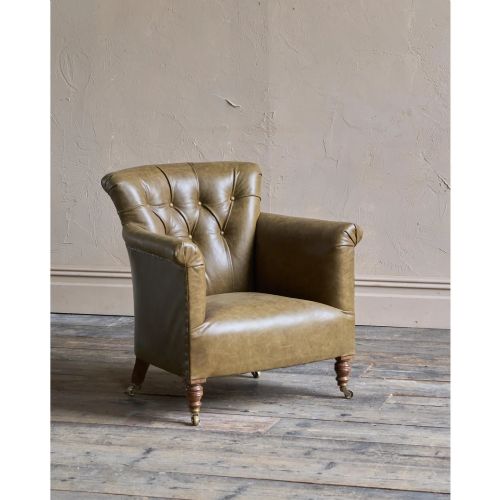
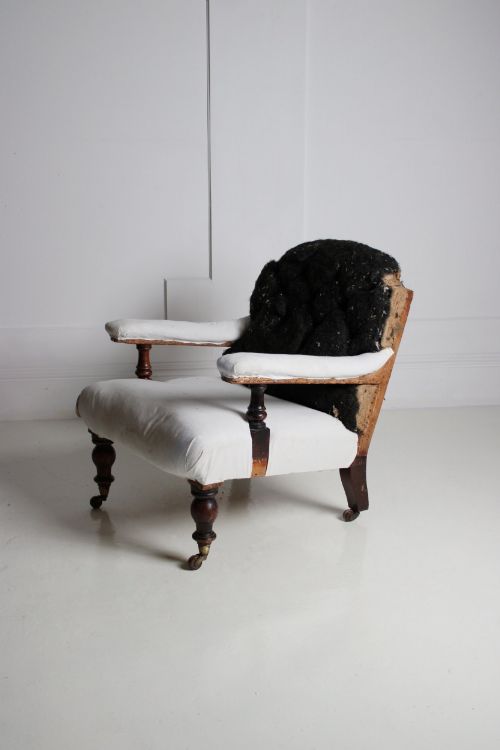
A vintage howard chair provides deep, sprung seating designed primarily for nineteenth and early twentieth century English country houses. These pieces range from substantial club models to open armchairs and daybeds, reflecting the domestic comfort prioritized during the Victorian and Edwardian eras. Buyers searching for a vintage howard chair encounter both maker-stamped originals and later revival styles built to similar proportions.
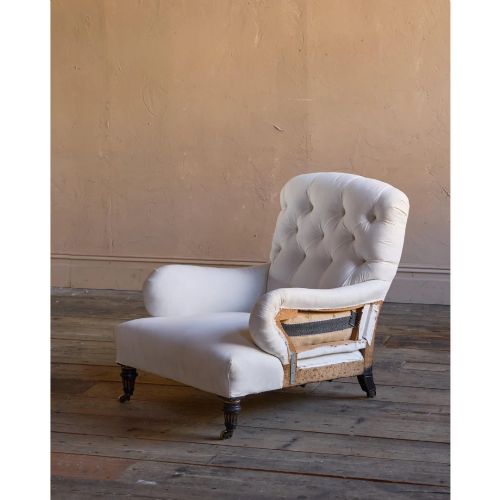
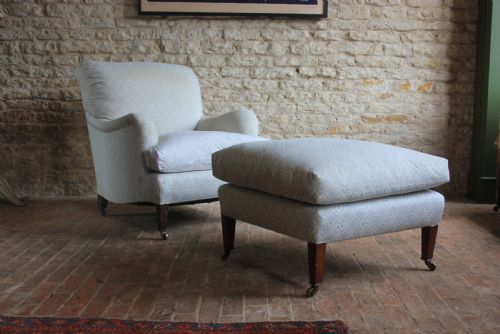
The form typically emphasises low, scrolling arms, substantial padding and generous seat depths intended for prolonged relaxation. Many examples retain original upholstery fabrics such as calico, leather, cotton velvet or woven carpets, while others appear in later textiles. The underlying framework relies on sturdy hardwood construction supported by brass castors and turned wooden legs.
Materials and construction
The structural framework of a vintage howard chair relies on seasoned hardwood, often walnut or mahogany for exposed components like legs and open arms. Brass castors frequently finish the feet, allowing easy movement across heavy carpets and wooden floorboards alike. These durable timbers provide the necessary rigidity to support complex internal spring systems.
Traditional upholstery techniques define the comfort of these seats, utilising cotton, calico and horsehair stuffing beneath outer layers of leather, velvet or flat-woven carpets. Skilled makers built up deep spring coils by hand, securing them with heavy twine to ensure enduring resilience. This layered construction method allows the armchair to retain its shape and supportive bounce over decades of daily use.
Vintage Howard Chair Retail Price Guide 2026
Typical asking prices for vintage howard chair among the pieces listed under this phrase on Sellingantiques today, from the lower quarter to the upper quarter. They describe what is for sale here now, not the wider market.
Listings for this phrase feature nineteenth and early twentieth century forms, including club armchairs, daybeds and open armchairs framed in walnut, mahogany and hardwood.
Understanding quality differences
The distinction between a standard revival piece and a premier workshop original rests in the integrity of the internal framing and the precision of the hand-tied springing. Superior examples demonstrate rigorous joinery within the hardwood skeleton, ensuring the frame remains stable without loosening at the joints. Original maker stamps on the back legs or castors further elevate the standing of a piece among collectors.
Upholstery execution and material selection also drive the distinction between tiers of quality. Finer armchairs utilise premium leather or distinctive antique textiles like kilim and Ushak carpets, applied with meticulous attention to pattern alignment and piping. The preservation of authentic padding methods contributes significantly to the overall desirability and historical integrity of the seating.
Howard and Sons
The Vintage Howard Chair Glossary
- Bridgewater armchair
- A traditional low-armed seating form characterised by generous proportions and recessed arms. This shape forms a cornerstone of English country house comfort.
- Calico
- A plain-woven unbleached cotton fabric frequently used as the foundational inner upholstery layer beneath decorative top covers. It conceals internal stuffing while maintaining breathable strength.
- Kilim
- A flat-woven carpet or rug textile utilising slit tapestry techniques, often repurposed to upholster club armchairs. These geometric patterns provide distinct visual texture.
- Hardwood
- Dense timber sourced from broad-leaved trees, utilised for the primary structural frames of chairs to prevent warping. Walnut and mahogany appear frequently in exposed sections.
- Castor
- A small wheel fitted to the base of chair legs, typically cast in brass, allowing effortless repositioning across heavy flooring. They serve as a common indicator of period manufacture.
Vintage Howard Chair: Frequently Asked Questions
What defines a vintage howard chair?
A vintage howard chair is characterised by deep sprung seating, low scrolling arms and generous proportions developed during the nineteenth century. These seats prioritize relaxed domestic comfort above rigid formal posture.
Many examples originate from English country houses and feature sturdy hardwood frames supported by turned wooden legs and brass castors. They appear in diverse outer coverings ranging from plain leather to patterned carpets and velvet.
How were these armchairs used historically?
Historically, these deep-seated armchairs served as primary lounge seating in libraries, drawing rooms and country house studies. Their generous dimensions were engineered for extended periods of reading and conversation.
Domestic residents utilised them for daily relaxation, often pairing the seating with matching footstools or daybeds. Their robust construction allowed them to withstand heavy daily use across generations.
How do I live with a vintage howard chair?
Integrating this seating into a modern interior involves placing the piece where its low profile and deep seat can function as a primary reading spot. The neutral tones of calico or rich hues of leather blend easily with diverse design schemes.
Routine maintenance involves gentle dusting of wooden components and professional cleaning appropriate to the specific upholstery textile. Avoiding direct sunlight helps preserve the colour of older leather and woven fabrics.
How do I tell periods apart?
Distinguishing between Victorian and Edwardian examples relies on observing subtle shifts in leg turning, wood selection and upholstery style. Nineteenth-century pieces often display heavier proportions and simpler turned walnut or mahogany legs.
Later Edwardian variants sometimes incorporate lighter aesthetic movement influences or refined carving details while retaining the core Bridgewater silhouette. Maker stamps and castor markings offer definitive clues regarding precise production eras.