



Vintage Horse Blanket
A vintage horse blanket brings rich tribal texture and history into a room, serving as an exceptional decorative textile or wall hanging.
Vintage Horse Blanket
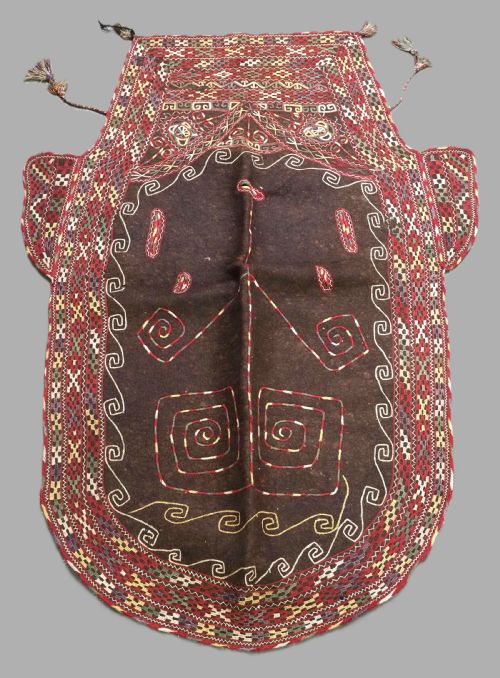
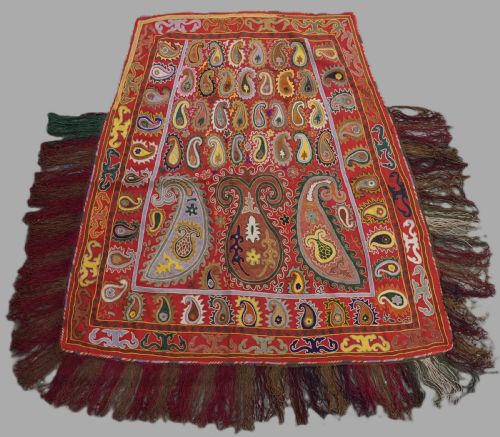
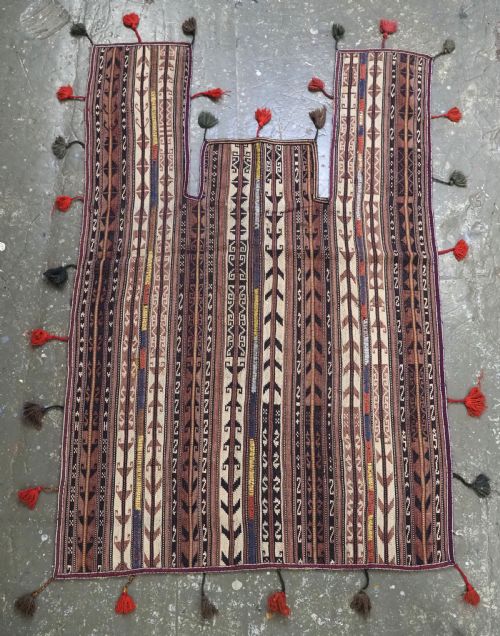
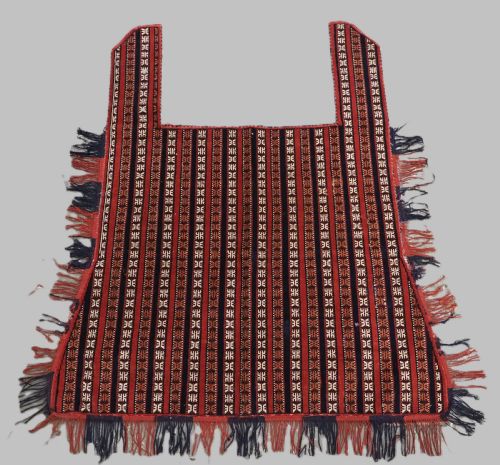
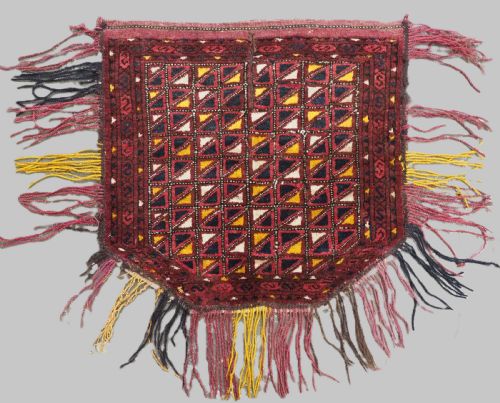
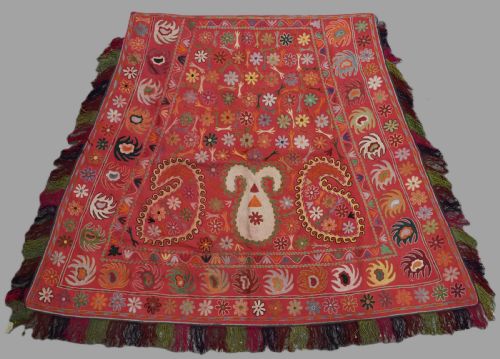
When searching for a vintage horse blanket, buyers encounter a striking variety of ceremonial and tribal coverings alongside domestic towel rails and storage trunks. The items specifically answering this phrase are authentic Central Asian and Persian tribal pieces, including Yomut Turkmen, Uzbek Lakai, and Qashqai works created around the late nineteenth and early twentieth centuries.
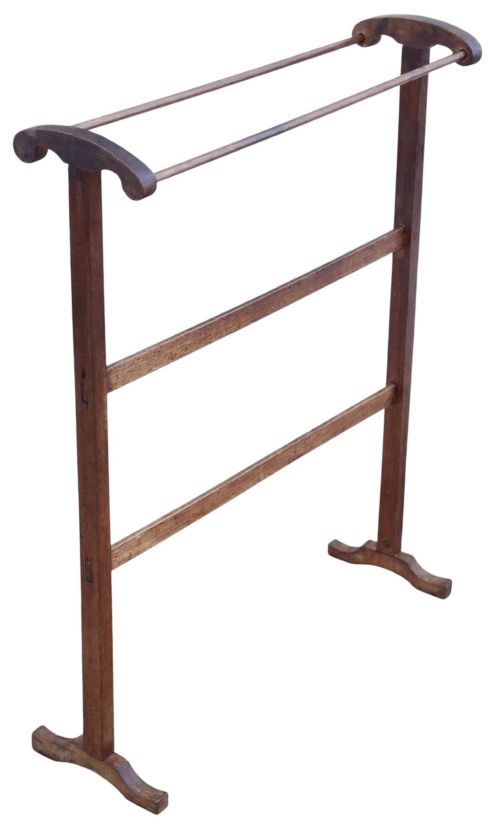
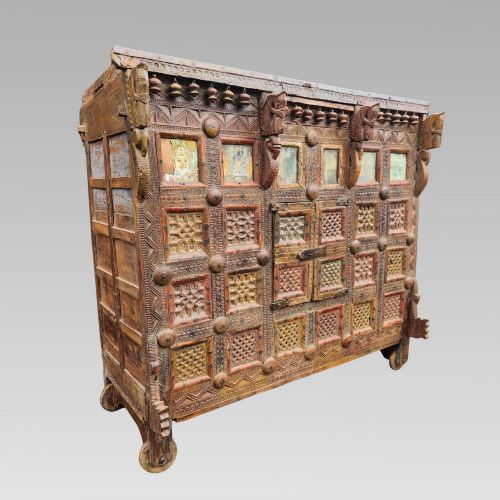
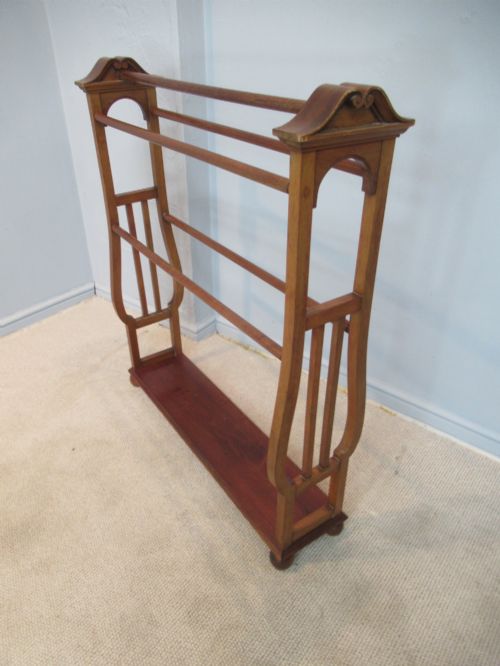
The selection also encompasses related nineteenth-century furniture such as mahogany towel rail stands and leather coaching trunks, reflecting the broader breadth of period goods catalogued alongside these textile pieces.
Materials and construction
The genuine textile pieces rely upon wool, felted wool, and cotton thread. Artisans utilised durable natural fibres to construct heavy felt bases and intricate surface embroidery.
Accompanying furniture items in the collection demonstrate traditional woodworking techniques using mahogany, oak, pine, walnut, and teak. These structural pieces incorporate fine turning, inlay, and brassbound details appropriate to their respective periods.
Vintage Horse Blanket Retail Price Guide 2026
Typical asking prices for vintage horse blanket among the pieces listed under this phrase on Sellingantiques today, from the lower quarter to the upper quarter. They describe what is for sale here now, not the wider market.
Listings span multiple eras from the nineteenth century through the 1930s, incorporating wool, felted wool, cotton, mahogany, oak, and pine.
Assessing quality and authenticity
Quality in these ceremonial textiles rests upon the density and precision of the embroidery, the integrity of the base felt or wool, and the survival of original components such as tassels. Tribal pieces displaying crisp, hand-worked iconography and stable fibres command greater appreciation.
For the associated wooden stands and trunks, construction standards depend upon timber selection, joint integrity, and the preservation of original polished or painted surfaces. Pieces retaining their structural robustness and period character represent the higher tier.
The Vintage Horse Blanket Glossary
- Ceremonial felt
- A dense wool fabric created by matting, condensing and pressing fibres, often utilised as the foundational ground for tribal horse blankets.
- Yomut Turkmen
- A distinct tribal group known for producing finely knotted and embroidered horse covers and rugs with characteristic geometric patterns.
- Lakai tribe
- A Central Asian group celebrated for vibrant silk and cotton embroidered saddle covers featuring lively, dynamic motifs.
- Qashqai
- A confederation of nomadic tribes from south-west Persia recognised for distinctive woven horse blankets and coverings.
- Towel rail stand
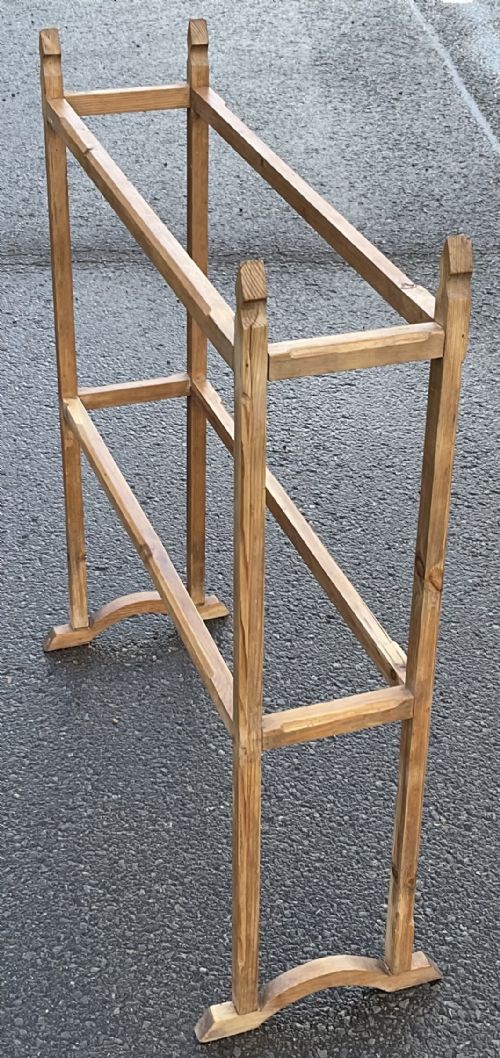
- A domestic wooden furnishing featuring multiple rails, appearing in mahogany, oak, and pine across Victorian and Edwardian periods.
Vintage Horse Blanket: Frequently Asked Questions
Where do these vintage horse blankets originate?
The pieces originate predominantly from Central Asian and Persian regions, created by tribal makers such as the Yomut Turkmen, Uzbek Lakai, and Qashqai.
Each region developed distinct weaving, felt-making, and embroidery traditions that distinguish their ceremonial blankets today.
How should I display a vintage horse blanket at home?
Many collectors mount these textiles securely on a wall as a focal art piece to preserve their structure and showcase the detailed embroidery.
Alternatively, they can be draped over a large piece of furniture, such as a traditional wooden chest or sofa back.
How do I care for antique wool and felt textiles?
Protect the wool and felt from direct sunlight to prevent fading of the natural dyed threads and fabrics over time.
Gentle vacuuming through a mesh screen helps remove dust without disturbing delicate embroidery or original tassels.