






Vintage Highchair
A vintage highchair turns domestic history into tangible craft, offering tactile woods and ingenious conversions that collectors prize for everyday interiors.
Vintage Highchair
A vintage highchair encompasses children's seating designed to elevate a child to table height, spanning centuries of domestic furniture history. The pieces range from simple vernacular seating to complex metamorphic designs that alter their function entirely.
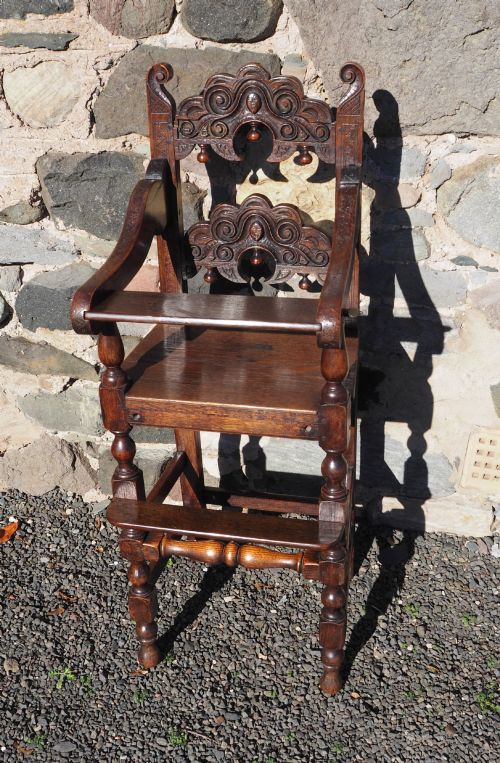
Most examples found in these listings date from the nineteenth century, alongside earlier seventeenth and eighteenth century joined oak or mahogany formats. These include standard high chairs, children's armchairs, and variants equipped with detachable stands.
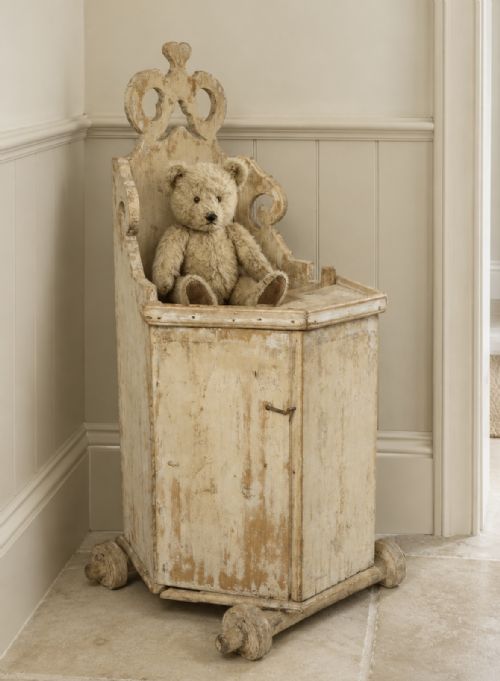
Regional and stylistic variations appear clearly across the selection, moving from English country elm and beech to Scandinavian country pieces, folk art painted items, and French bamboo constructions. Each piece reflects the domestic habits and prevailing design vocabulary of its period.
Materials and construction methods
Makers utilised dense hardwoods such as mahogany, oak, elm, and beech to construct frames robust enough to withstand daily nursery use. Joinery techniques varied from traditional pegging in seventeenth century joined oak examples to sophisticated turning and steam-bending in later elm and beech Windsor hoops.
Secondary materials such as cane, leather, and iron fittings provided structural support, seating surfaces, and functional hinges for metamorphic conversions. Painted finishes also occur, notably on European folk art and continental pieces decorated with specific regional motifs.
Vintage Highchair Retail Price Guide 2026
Typical asking prices for vintage highchair among the pieces listed under this phrase on Sellingantiques today, from the lower quarter to the upper quarter. They describe what is for sale here now, not the wider market.
Listings span multiple centuries, ranging from seventeenth-century joined oak examples to Edwardian elm and beech wood models.
Factors of quality and execution
Quality rests in the sophistication of the joinery and the integrity of the timber, distinguishing workshop-produced mahogany pieces from vernacular country carpentry. The presence of original mechanisms in metamorphic designs dictates much of the piece's structural success.
Proportion and decorative detail separate standard utilitarian nursery items from exceptional commissions. Refined turning, carved detailing, and integrated stands elevate specific examples well beyond basic domestic utility.
The Vintage Highchair Glossary
- Metamorphic
- A piece of furniture designed to transform into an alternative form, such as a high chair converting into a low armchair and table combination.
- Hoopback
- A chair back formed from a single continuous piece of steam-bent wood curved to create a supportive loop for the sitter.
- Joined oak
- Furniture constructed using mortise and tenon joints secured with wooden pegs, typical of seventeenth century cabinet making.
- Vernacular
- Objects made by local craftsmen following regional traditions rather than high-style metropolitan pattern books.
- Tub highchair
- A high chair featuring a rounded, enclosed upper back and sides resembling the shape of a deep tub.
Vintage Highchair: Frequently Asked Questions
How did metamorphic high chairs work?
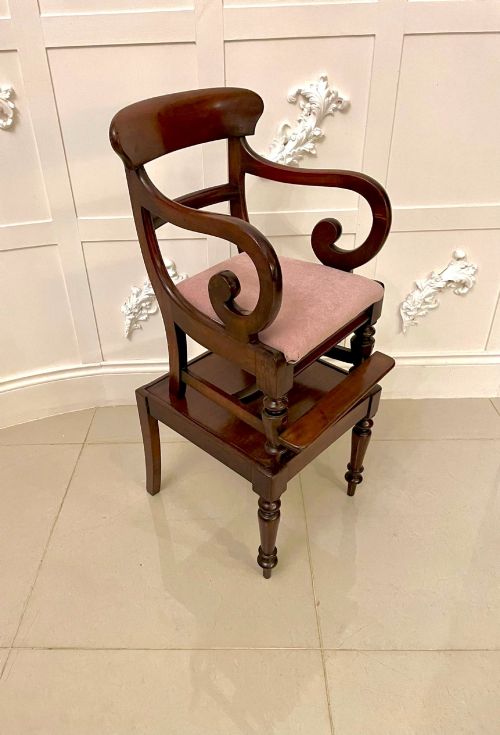
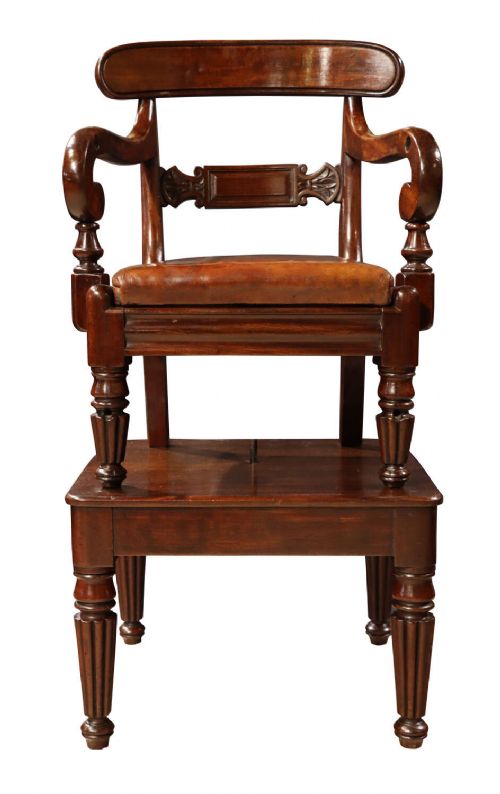
Metamorphic high chairs were engineered with pivots, hinges, or sliding mechanisms that allowed the tall underframe to detach or fold away. This transformed the elevated nursery seat into a low armchair suitable for a toddler at play.
Such ingenuity saved space in period homes and extended the functional lifespan of the furniture as the child grew.
Were these chairs used daily?
These pieces served as practical nursery furniture for feeding and containing young children during family meals. Their heavy construction in elm, oak, or mahogany was intended to endure vigorous daily use by infants.
Survival rates indicate that while many saw heavy wear, finer examples were often preserved as family heirlooms.
How do I date a wooden high chair?
Dating relies on examining the timber species, joinery methods, and the stylistic vocabulary of the legs and backrest. Seventeenth-century examples display joined oak construction, while Georgian and Victorian pieces show shifts toward mahogany and beech.
Tool marks and hardware types also offer clear physical clues to the era of manufacture.
Can I use an antique high chair today?
While these chairs were built for children, modern safety standards differ significantly from historical manufacturing practices. Most collectors display them as decorative objects or incorporate them into period room settings rather than for infant seating.
Assessing the structural stability of old joints is essential if any modern functional use is intended.