



Vintage Hidden Blade
A vintage hidden blade is a disguised weapon housed within a walking stick, combining everyday respectability with personal defence.
Vintage Hidden Blade
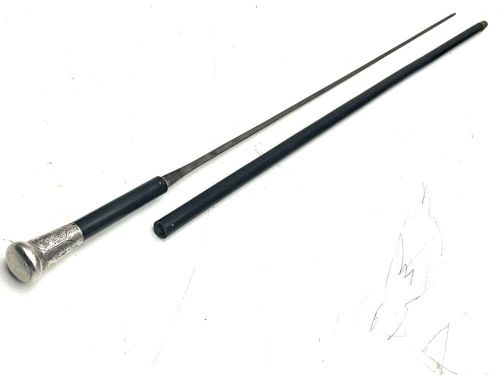
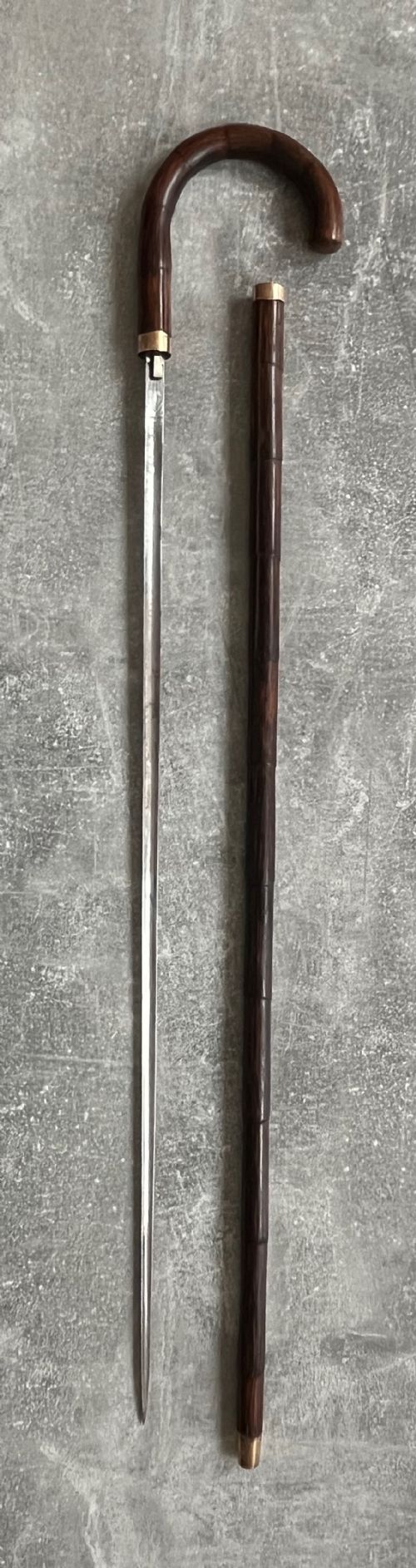
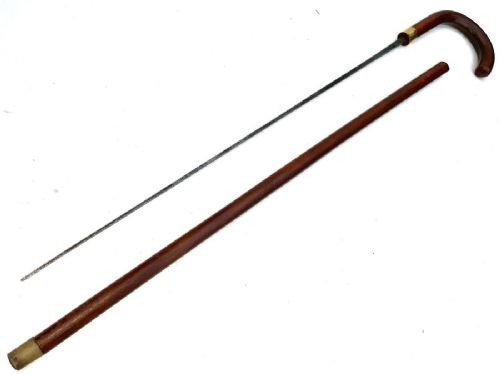
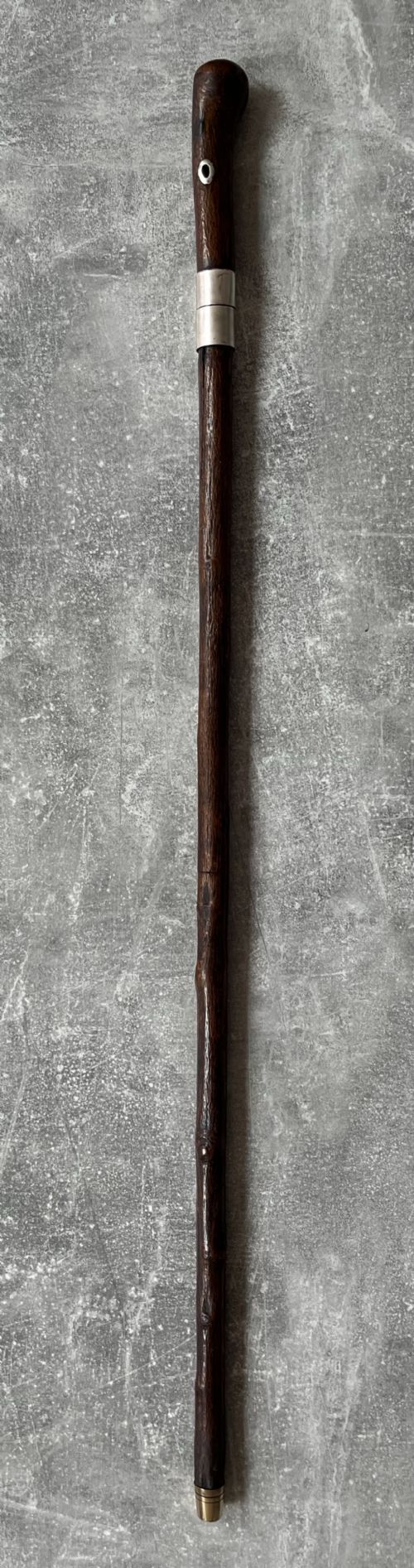
When you search for a vintage hidden blade, you are looking at nineteenth and early twentieth century walking sticks and canes with concealed steel blades inside the shaft. These items range from military officers' swagger sticks to gentleman's walking sticks with disguised weaponry.
The pieces on this page span the Victorian and Edwardian periods, including specific examples from eighteen ninety and nineteen ten. You will encounter forms styled as simple hazel wood or bamboo walking canes alongside more decorative variations.
Makers produced these pieces using natural materials like hardwood, malacca, and bamboo for the outer shaft. Handles vary from crook designs and antler to bone pistol grips and silver horse heads.
How they were made
The shafts utilise natural timber, hardwood, bamboo, and faux bamboo to conceal the steel blade within. Craftsmen also covered hafts in snakeskin or fitted them with bone and antler handles.
Blades in these pieces often originate from Toledo, renowned for metalwork. Metal components such as brass and silver appear on mounts, collars, and detailed handles.
Vintage Hidden Blade Retail Price Guide 2026
Typical asking prices for vintage hidden blade among the pieces listed under this phrase on Sellingantiques today, from the lower quarter to the upper quarter. They describe what is for sale here now, not the wider market.
Listings feature pieces spanning the Victorian and Edwardian periods, specifically dated around eighteen ninety and nineteen ten.
What varies in quality
Quality rests in the selection of materials for both the exterior shaft and the concealed blade. Pieces featuring specialised metalwork from Toledo or detailed silver handles sit above standard utility items.
The precision of the fit between the blade and the outer cane determines the overall integrity of the piece. Superior examples maintain a seamless line when closed, concealing the blade completely within woods like hazel, malacca, or bamboo.
The Vintage Hidden Blade Glossary
- Sword stick
- A walking cane containing a concealed blade within its shaft. It was carried by gentlemen for protection during the nineteenth and early twentieth centuries.
- Swagger stick
- A short cane traditionally carried by military officers. These items often doubled as hidden blade weapons.
- Toledo blade
- A steel blade produced in Toledo, Spain, known for its metallurgical quality. These blades were frequently incorporated into nineteenth century walking sticks.
- Malacca
- A type of rattan cane used for walking sticks. It is valued for its strength and distinctive mottled appearance.
- Pistol grip
- A handle shaped to resemble the grip of a pistol. This ergonomic design was sometimes carved from bone or antler on walking canes.
Vintage Hidden Blade: Frequently Asked Questions
What is a vintage hidden blade?
A vintage hidden blade is a steel weapon concealed inside a walking stick or cane. These items were used for personal defence during the Victorian and Edwardian eras.
They appear in forms ranging from military swagger sticks to gentleman's walking canes with silver or antler handles.
How were these canes used?
Owners carried them during daily walks as standard walking aids while retaining a concealed means of protection. Military officers also used swagger sticks as part of their uniform.
The outer wooden shaft protected the steel blade from the elements and kept the weapon entirely unnoticeable to the public.
How do I date a hidden blade?
Dating relies on the materials, handle styles, and period characteristics recorded in the piece. Victorian examples often feature hazel wood or military markings from eighteen ninety.
Edwardian pieces from nineteen ten frequently incorporate bamboo shafts, bone pistol grips, or silver ornamentation.
What materials are used?
The outer shafts are constructed from hardwood, hazel wood, malacca, bamboo, or faux bamboo. Handles incorporate silver, brass, bone, antler, and snakeskin.
The internal blades are invariably made of steel, with several examples originating from Toledo.