


Vintage Heraldic Wall Decor
Vintage heraldic wall decor brings carved wood, cast iron, and painted armorial shields into your rooms to give an interior real authority and history.
Vintage Heraldic Wall Decor
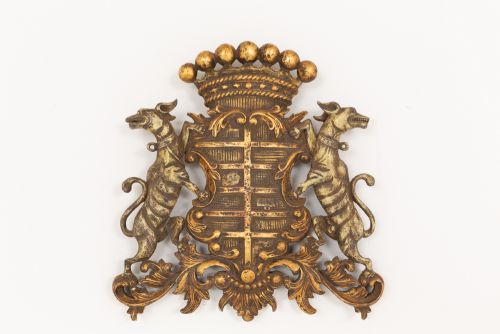
When you search for vintage heraldic wall decor, you are looking for armorial shields, cast iron plaques, and framed coats of arms that carry centuries of visual symbolism. These pieces range from substantial Victorian royal coats of arms to early twentieth-century clan genealogies and carved hardwood shields.
On this page, you are most likely to meet pieces originating from the nineteenth century through to the nineteen-forties, covering Victorian, Edwardian, and Baroque revivals. They appear primarily as wall plaques, decorative plates, and framed wall art designed to anchor a room.
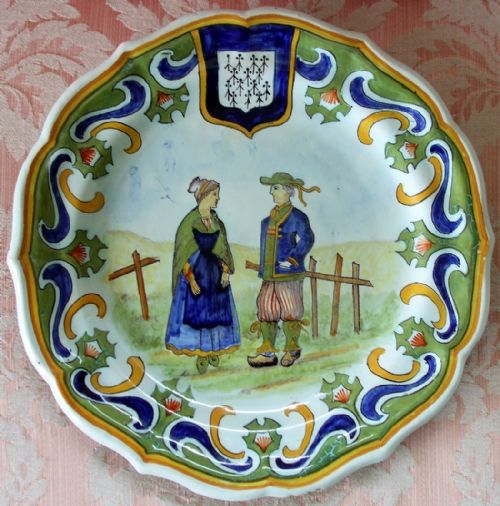
The selection includes specific regional items such as French faience dishes, Spanish panels, and Swiss automobile club cartouche emblems. Each object reflects the heraldic traditions and decorative tastes of its particular period of manufacture.
How they were made
The makers of these pieces relied on traditional craft methods, utilising carved hardwoods like oak for armorial shields and heavy cast iron or bronze for durable plaques. Metals were often finished with paint, gesso, or gold leaf to highlight the relief work of the crests.
Ceramic items utilise French faience techniques with hand-painted glazes, while other works combine painted timber panels with carved elements. The construction prioritises sturdy wall hanging, whether through integrated iron loops or heavy wooden frames.
An eighteen-ninety-eight Swiss automobile club emblem proves that early drivers enjoyed showing off their membership just as much as medieval knights.
What varies in quality
Quality in these decorative objects rests on the crispness of the casting or the depth of the wood carving. Sharper details in the heraldic beasts and charges separate a finer piece from a softer, more generalised moulding.
The integrity of the original surface finish, whether hand-applied paint, gold leaf, or patinated bronze, determines the visual weight of the piece. Intact original mounting hardware and legible inscriptions or mottos add to the historical clarity of the work.
Desvres French Faience·Duncan Arms OBE Ministry of Supply Glasgow·Automobile Club of Switzerland
The Vintage Heraldic Wall Decor Glossary
- Armorial
- Relating to heraldry or coats of arms. It describes designs featuring shields, crests, and traditional charges.
- Gesso
- A plaster-like mixture applied to wood or canvas as a base for paint or gilding. It allows for crisp moulded relief details on frames and panels.
- Cartouche
- An oval or oblong frame enclosing a design or inscription. It often appears on plaques and commemorative metal emblems.
- Gilt
- Covered thinly with gold leaf or gold paint. This finish enhances the decorative prominence of heraldic details.
Vintage Heraldic Wall Decor: Frequently Asked Questions
What materials are used?
The listings show a range of traditional materials including cast iron, bronze, carved hardwood, and oak. Surfaces are frequently finished with paint, gesso, and gold leaf.
Ceramic and brass pieces also appear, representing different regional European manufacturing traditions from the nineteenth and twentieth centuries.
How were these items displayed?
These pieces were created specifically for interior display as wall plaques, framed panels, and decorative plates. They were hung in halls, libraries, and formal rooms to display lineage or decorative taste.
Heavier items like cast iron royal coats of arms required robust wall fixings, while framed paper genealogies and carved shields utilised integrated hanging hardware.
How do I identify the period?
Dating relies on the materials, manufacturing techniques, and stylistic revivals present in the object. Nineteenth-century pieces often feature heavy cast iron or detailed hand-carved hardwood.
Early twentieth-century items incorporate specific regional marks, such as French faience signatures or ministry production stamps from the nineteen-forties.
What subjects do they show?
The subjects encompass royal coats of arms, clan genealogies, and specific family or institutional armorial bearings. Motifs include heraldic shields, crests, and regional mottos from places like Pau or Switzerland.
Some items commemorate specific organizations or events, such as early motoring club emblems and government-commissioned bronze plaques.