



Vintage Heraldic Decor
These vintage heraldic decor pieces bring centuries of armorial history and heraldic design into modern rooms.
Vintage Heraldic Decor
Vintage heraldic decor encompasses armorial shields, wall plaques, decorative plates, and framed wall art celebrating lineage and coats of arms. These pieces draw on Victorian heraldic, Edwardian, Baroque, and French Revival styles to display family crests and royal insignia.
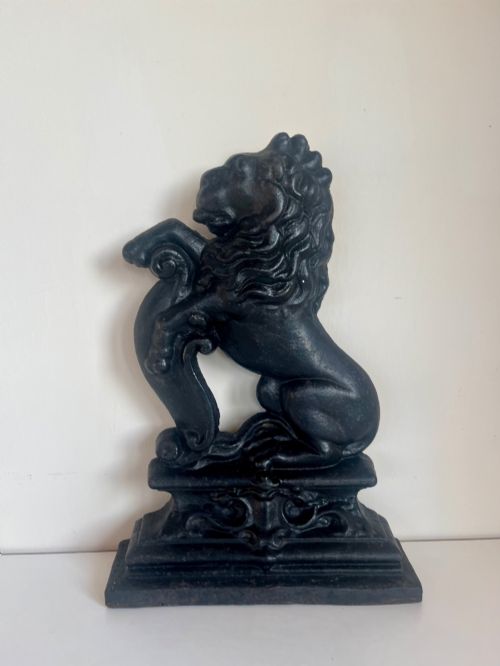
Buyers encounter items ranging from cast iron plaques and hand-painted Spanish panels to carved hardwood armorial shields and brass plates. Originating across Britain, France, and Spain, these objects reflect distinct regional artistic traditions from the nineteenth and early twentieth centuries.
Materials and Construction
Craftsmen utilised durable metals such as cast iron and brass for heavy armorial plaques and commemorative plates, often applying paint or gold leaf to highlight intricate details. These metallic pieces provide substantial weight and lasting structural integrity.
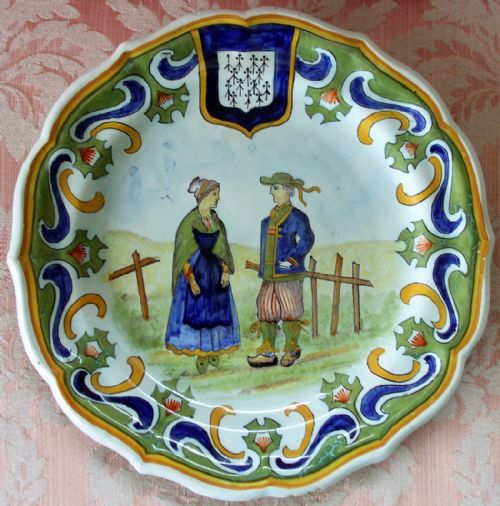
Woodworkers carved hardwood and oak to create dimensional armorial shields and wall panels, sometimes combining gesso with hand-painted surfaces. Other works employ ceramic faience techniques, demonstrating traditional glazing methods seen in French decorative arts.
Vintage Heraldic Decor Retail Price Guide 2026
Typical asking prices for vintage heraldic decor among the pieces listed under this phrase on Sellingantiques today, from the lower quarter to the upper quarter. They describe what is for sale here now, not the wider market.
Distinctions in Quality
Quality rests upon the crispness of the armorial casting or the depth and precision of the wood carving. Superior examples display sharply defined heraldic charges and careful hand-painting, whereas lesser pieces show softer contours and simpler execution.
The authenticity of materials and historical attribution significantly influence the character of each piece. Items retaining original paint, gold leaf, and documented lineage command greater attention from collectors of armorial history.
The Vintage Heraldic Decor Glossary
- Armorial
- Relating to heraldry or coats of arms. This term describes items bearing authentic family or institutional insignia.
- Faience
- Tin-glazed earthenware originating from European ceramic traditions. It provides a smooth white background for painted heraldic motifs.
- Gesso
- A plaster-like mixture applied to wood surfaces as a base for painting or gilding. It allows for raised decorative relief work.
- Coat of arms
- A distinct design on a shield or heraldic surface. It serves to identify specific families, lineages, or organizations.
Vintage Heraldic Decor: Frequently Asked Questions
What is vintage heraldic decor?
Vintage heraldic decor includes items displaying coats of arms, crests, and armorial bearings created during the nineteenth and twentieth centuries.
These pieces range from cast iron wall plaques and carved hardwood shields to hand-painted panels and decorative ceramic dishes.
How were these pieces used?
Armorial plaques and framed wall art served primarily as interior decoration to display family lineage, allegiance, or civic pride in domestic and public spaces.
Candlesticks and decorative plates combined functional utility with heraldic display, enhancing the formal appearance of period rooms.
How do I live with heraldic decor?
These pieces integrate well into traditional and eclectic interiors when mounted securely on walls as focal points or displayed on sturdy surfaces.
Their rich mix of cast iron, carved wood, and painted finishes adds texture and historical weight to modern living spaces.
How do I identify different periods?
Stylistic cues such as the heavy ornamentation of Victorian pieces or the cleaner lines of early twentieth-century designs help determine the era of manufacture.
Materials also provide clues, as nineteenth-century works frequently utilise cast iron and oak, while later pieces often incorporate diverse metals and varied woods.