



Vintage Heals Chest
These vintage heals chest selections offer solid construction and clean lines, perfect for collectors seeking functional period storage.
Vintage Heals Chest
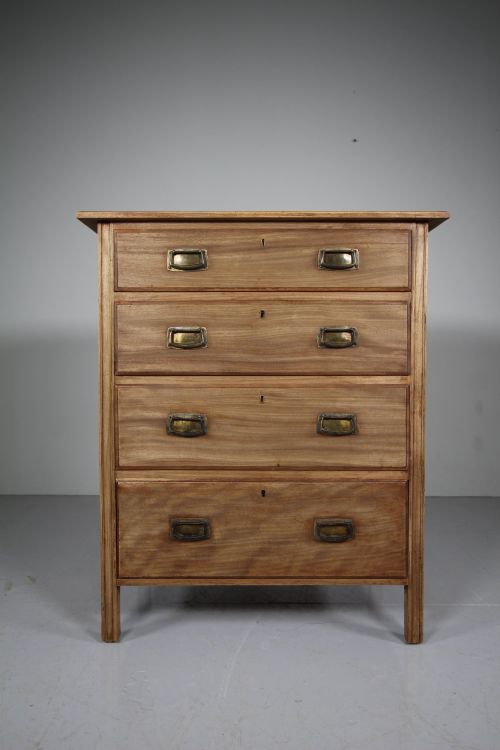
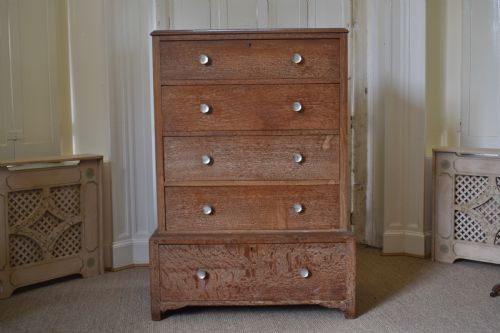
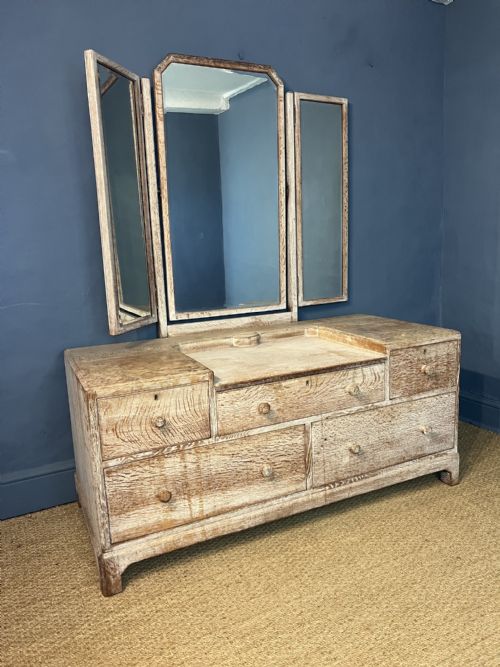
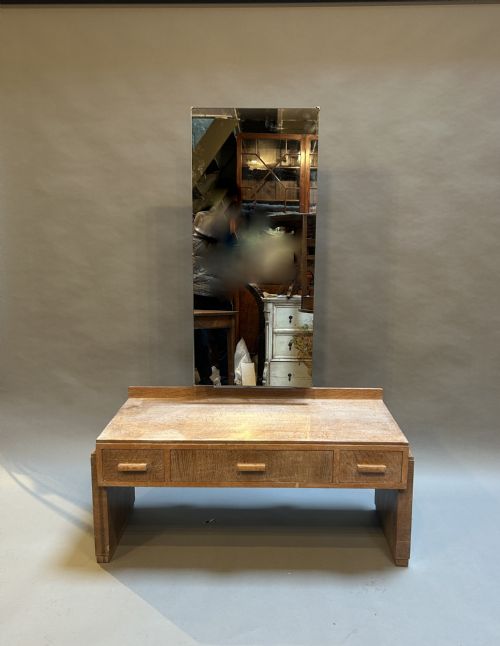
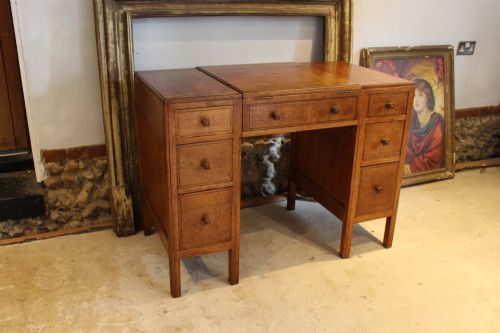
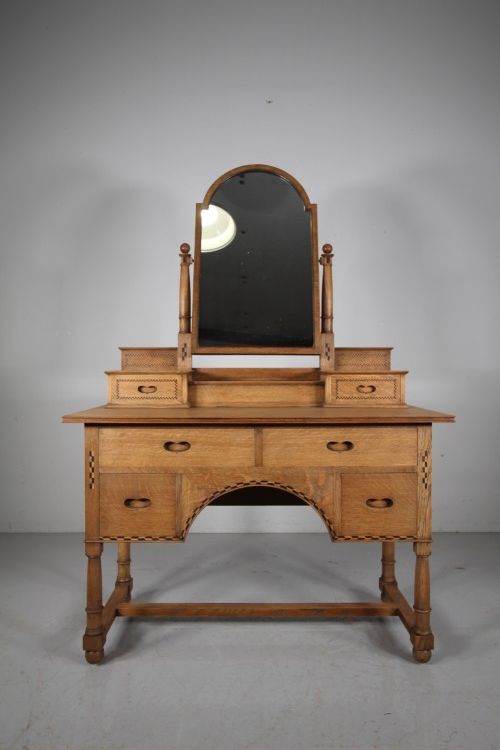
A vintage heals chest encompasses practical storage forms such as chests of drawers, tallboys, writing bureaus, and dressing chests produced by the notable London maker. These pieces largely span the Edwardian period through the 1920s and 1930s, reflecting shifts in domestic furniture design over several decades.
Buyers exploring this category encounter various utilitarian forms, with dressing chests and oak chests of drawers appearing frequently alongside writing bureaus and tallboys. The designs range from plain Edwardian timber to distinct Art Deco silhouettes and Arts and Crafts workshop ideals.
How they were made
Makers utilised solid oak, limed oak, walnut, and satin walnut, often pairing these timbers with decorative wood inlay and figured wood veneers. Metal elements such as brass and iron provide functional hardware and structural accents across the pieces.
Workshop techniques emphasised the natural grain of the timber, particularly through the pale limed oak finishes characteristic of the nineteen-thirties. Cabinetmakers incorporated labelled maker marks to authenticate their output, ensuring distinct identification of origin.
Vintage Heals Chest Retail Price Guide 2026
Typical asking prices for vintage heals chest among the pieces listed under this phrase on Sellingantiques today, from the lower quarter to the upper quarter. They describe what is for sale here now, not the wider market.
Object forms include dressing tables, tallboys, bureaus, and traditional chests of drawers.
What varies in quality
The standard of timber selection and veneer matching defines the visual appeal across different examples. Pieces retaining original makers' labels command particular attention from buyers.
The complexity of the form and the integrity of the finish, whether polished walnut or limed oak, distinguish standard production items from more ambitious workshop designs.
Heal & Sons·Heals
The Vintage Heals Chest Glossary
- Limed oak
- A pale, pickled wood finish popular during the interwar years that highlights the open grain of the timber. This treatment became a signature look for modernist cabinetmakers of the period.
- Tallboy
- A tall chest of drawers, often comprising a chest placed upon a further base or built as a single elevated unit. It provides substantial vertical storage while occupying a compact floor footprint.
- Dressing chest
- A low chest of drawers fitted with an attached mirror and sometimes small utility drawers or compartments. These items served a central function in Edwardian and interwar bedrooms.
- Bureau
- A desk featuring a sloping flap that opens to reveal a writing surface and small interior pigeonholes. Many examples combine this writing function with drawer storage beneath.
Vintage Heals Chest: Frequently Asked Questions
What periods do these chests cover?
The available selection spans the Edwardian era through the nineteen-twenties and nineteen-thirties. These decades capture the transition from traditional cabinetmaking towards early modernist styles.
Buyers will find that items from the nineteen-thirties frequently display the pale limed finishes and geometric forms characteristic of the period.
How do I identify a labelled piece?
Makers typically applied paper labels or stamped signatures directly onto the timber within drawers or on the reverse of the carcase. These markers verify the origin of the workshop.
Examining these labels helps confirm whether the item emerged from the London premises during the interwar years.
What wood types were commonly used?
Oak and walnut form the primary structural materials for these pieces, often enhanced with figured wood veneers and subtle wood inlay. Iron and brass hardware provide functional contrast.
Limed oak surfaces appear frequently among pieces from the nineteen-thirties, showcasing a lighter aesthetic than earlier dark polished timbers.
Where were these pieces made?
The furniture originates from the London workshops and retail establishment associated with Heal and Sons. Their designs heavily influenced British domestic interiors throughout the early twentieth century.
Regional pieces in the style of the Cotswold school also appear, reflecting broader Arts and Crafts ideals.