




Vintage Hand Painted Teacups
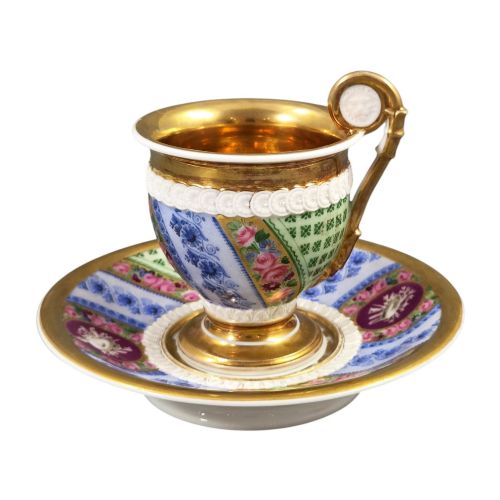
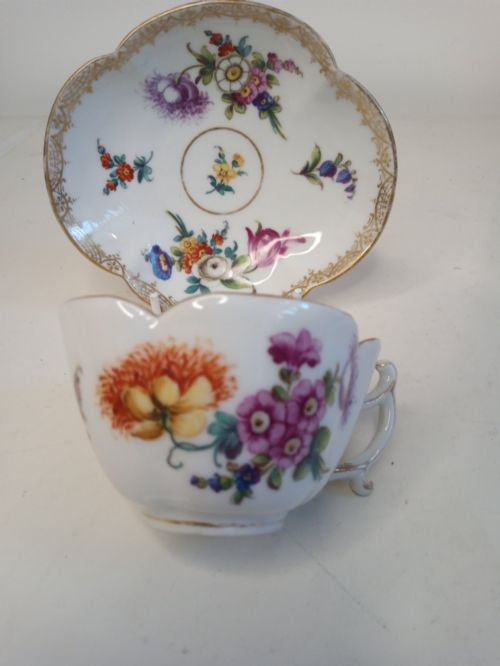
These vintage hand painted teacups bring painted florals and gilded motifs straight from the cabinet to the table.
Vintage Hand Painted Teacups
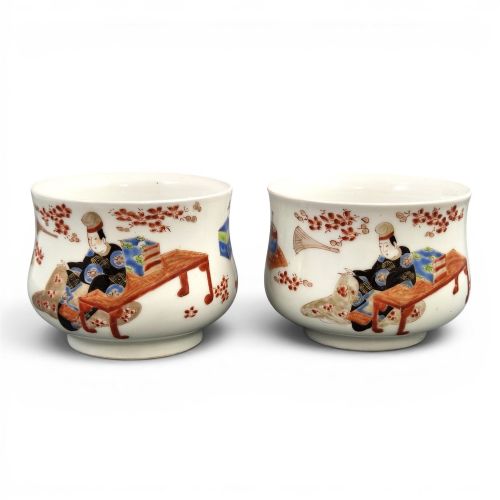
Vintage hand painted teacups comprise delicate porcelain vessels and saucers decorated by hand, spanning centuries of global ceramic production. They range from eighteenth-century English trios and French cabinet cups to nineteenth-century Japanese Imari and Satsuma wares.
Buyers encounter forms such as standard teacups and saucers, deeper breakfast sets, demitasse coffee cups, and complete tea services. These pieces originate from European potteries and Asian export workshops alike, reflecting diverse cultural traditions in tea consumption.
Judging quality
Quality rests in the precision and fineness of the painted detail, from meticulous botanical studies to expressive figures. Superior examples display confident brushwork and well-balanced compositions that integrate the form of the cup with its decoration.
The weight and translucency of the porcelain body, alongside the crispness of the gilding, distinguish finer studio or factory output from simpler utilitarian wares. Intact, unrubbed gold leaf and original matching saucers elevate a piece further.
Vintage Hand Painted Teacups Retail Price Guide 2026
Typical asking prices for vintage hand painted teacups among the pieces listed under this phrase on Sellingantiques today, from the lower quarter to the upper quarter. They describe what is for sale here now, not the wider market.
Listings feature porcelain, glass, and earthenware items spanning the Georgian, Victorian, and Art Deco periods.
Royal Worcester·KPM Berlin·Gardner Porcelain·Lowestoft Porcelain
The Vintage Hand Painted Teacups Glossary
- Demitasse
- A small cup used for serving strong black coffee or espresso, frequently found paired with a matching saucer.
- Gilding
- The application of gold leaf or powdered gold to the surface of porcelain or glass for decorative effect.
- Soft-Paste Porcelain
- An artificial porcelain composition fired at lower temperatures than hard-paste, often characterised by a warm, slightly softer glaze.
- Imari
- Japanese porcelain decorated in underglaze blue and overglaze iron red, green, and gold.
- Trio
- A matching set comprising a teacup, saucer, and a corresponding tea plate.
Vintage Hand Painted Teacups: Frequently Asked Questions
How do I date an antique teacup?
Dating relies on identifying factory marks stamped or painted on the base, stylistic cues of the period, and the composition of the ceramic body itself. Examining the wear on the foot rim and the type of gilding also offers clues to the era of production.
European and Asian pieces often carry specific reign marks, painter signatures, or impressed ciphers that narrow down the decade of manufacture. Comparing these details against known factory production periods confirms the age.
Can I use antique teacups for daily tea?
Many sturdy nineteenth and twentieth-century porcelain cups can handle gentle daily use if washed by hand rather than placed in a dishwasher. However, eighteenth-century soft-paste pieces and fragile gilded items warrant careful handling and display.
Avoiding sudden temperature changes prevents thermal shock to older glazes and delicate handles. Hand washing with mild soap preserves the delicate hand-painted enamel and gold leaf.
What is the difference between a tea cup and a coffee cup?
Coffee cups, particularly demitasse sizes, tend to be taller and narrower to concentrate aromas, whereas teacups are wider and shallower to allow the tea liquor to cool more evenly. Saucers follow these proportions accordingly.
Historical breakfast sets often feature larger, sturdier cups designed for morning meals, contrasting with the smaller afternoon teacups. Both forms frequently share identical hand-painted decorative schemes within a single service.
How should I display my collection?
Displaying cups and saucers together safely involves using specialised plate and cup stands inside enclosed cabinets to protect them from dust and accidental knocks. Good indirect lighting highlights the translucency of the porcelain and the detail of the hand-painted enamels.
Grouping pieces by factory, period, or colour palette creates a cohesive display that showcases the variety of styles. Keeping them out of direct sunlight prevents the fading of delicate overglaze enamel colours over time.