



Vintage Hallway Wardrobe
A vintage hallway wardrobe offers compact clothes hanging and coat storage for narrower entrance spaces without dominating the room.
Vintage Hallway Wardrobe
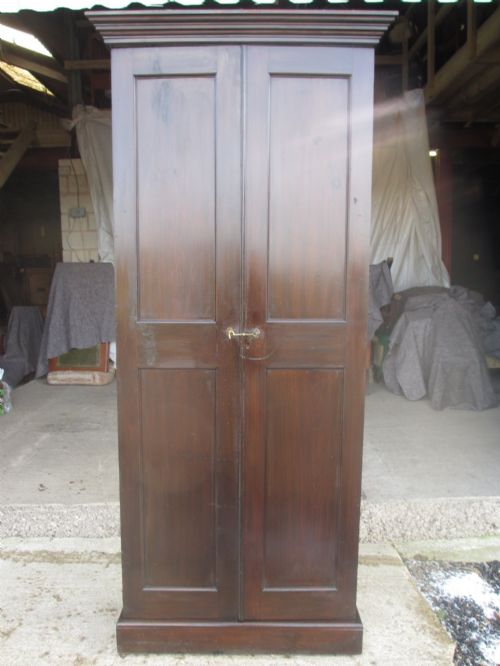
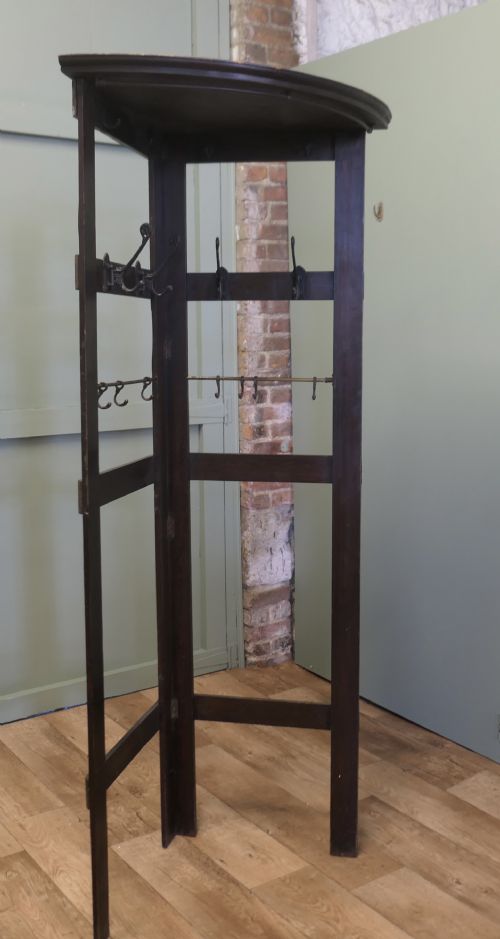
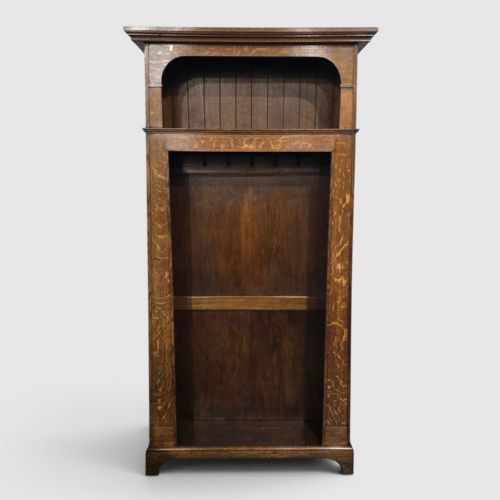
A vintage hallway wardrobe provides necessary coat and garment storage specifically designed for entrance spaces and corridors where floor space is limited. These pieces appear in forms such as hall stands, hall robes, and standing cupboards tailored for hallway placement.
The pieces listed here span the Edwardian period, nineteen-twenties, nineteen-hundred, nineteen-ten, and Georgian styles. Buyers frequently encounter oak and pine constructions, alongside variations in mahogany and painted finishes.
Makers adapted traditional storage furniture for entrance halls by reducing depth while maintaining vertical hanging capacity. This utilitarian focus creates distinct cabinet proportions suited to vestibules and passage spaces.
How they were made
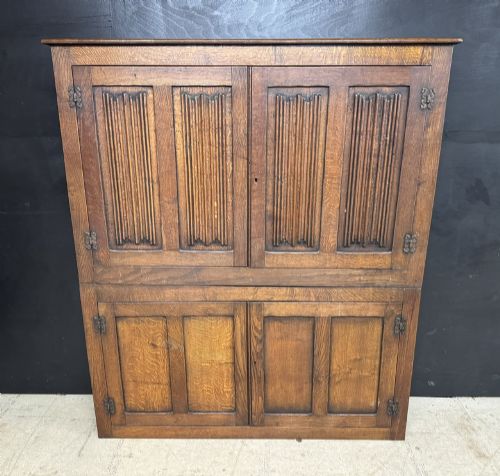
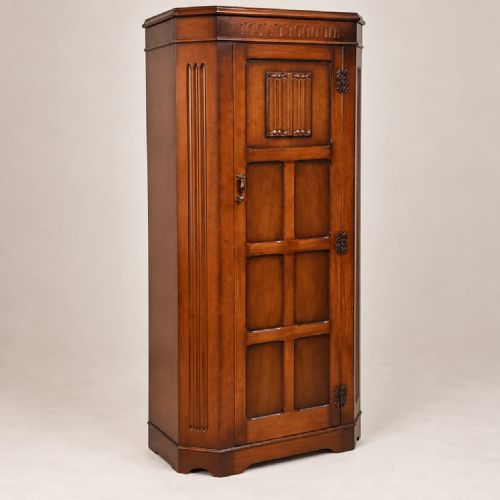
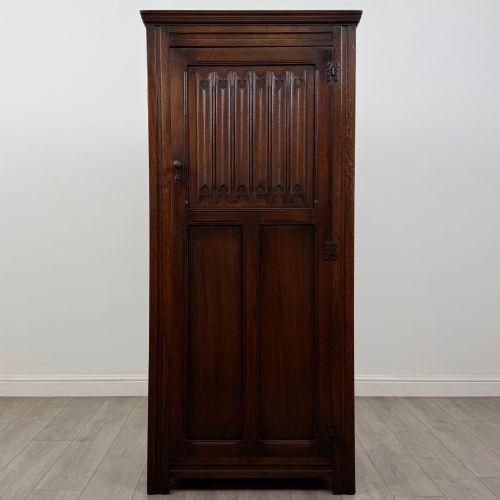
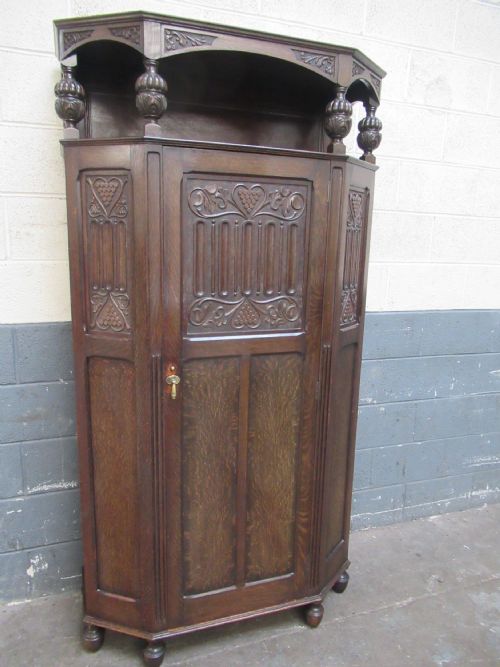
Carpenters utilised solid timber such as oak, pine, and mahogany to build these narrow wardrobes for daily domestic use. Joinery often includes linenfold carved details and panelled doors.
Iron and brass hardware, including hooks and hanging rails, provide the functional structure inside and outside the cupboards. Stained wood and applied paint finishes protect the surfaces while defining the aesthetic period.
Vintage Hallway Wardrobe Retail Price Guide 2026
Typical asking prices for vintage hallway wardrobe among the pieces listed under this phrase on Sellingantiques today, from the lower quarter to the upper quarter. They describe what is for sale here now, not the wider market.
Current listings feature pieces from the Edwardian period, nineteen-twenty, nineteen-hundred, nineteen-ten, and Georgian styles.
What varies in quality
Quality differentiates through the selection of timber and the precision of the joinery, separating standard utility pieces from finer cabinet work. Solid oak and mahogany structures show greater durability than softer pine alternatives.
Carved details like linenfold door panels and original brass or iron hardware indicate higher workshop standards. The integration of functional hanging space within a shallow frame determines the success of the design.
The Vintage Hallway Wardrobe Glossary
- Linenfold
- A style of wood carving representing folded linen, often seen on cabinet doors of this period. This decorative technique creates texture on flat panels.
- Hall Robe
- A narrow wardrobe designed specifically for entrance halls to store coats and outdoor wear. These pieces feature reduced depth compared to bedroom wardrobes.
- Edwardian
- A design period spanning the early twentieth century characterised by lighter forms and revivals of earlier styles. Pieces from this era often utilise oak and mahogany.
- Arts and Crafts
- A design movement prioritising traditional craftsmanship and simple forms over mass production. Furniture from this style displays honest construction and modest decoration.
Vintage Hallway Wardrobe: Frequently Asked Questions
What is a hallway wardrobe?
A hallway wardrobe is a narrow storage piece built to hold coats, hats, and outdoor garments in an entrance space. It provides vertical hanging room without blocking narrow corridors.
These cabinets match the restricted depth of hallways while offering enclosed storage to keep entryways tidy.
How do I date a hallway wardrobe?
Dating relies on observing timber choices, hardware types, and stylistic details such as linenfold carving or painted finishes. Edwardian pieces often show lighter oak construction, while earlier styles use mahogany or pine.
Construction methods inside the cabinet also point to specific decades between the Georgian period and nineteen-twenty.
Where should I place it?
Position the wardrobe against a solid wall in an entrance hall, vestibule, or large corridor where floor depth is restricted. Measure the clearance space for opening doors before placement.
Ensure the piece does not obstruct movement through the primary entranceway.
What woods are used?
Makers constructed these cabinets using oak, pine, and mahogany, sometimes finished with paint or stain. Solid timber provides the structural integrity needed for daily coat storage.
Metal components like iron and brass appear on hooks, hinges, and internal rails.