

Vintage Haberdashery
Vintage haberdashery encompasses practical storage furniture and sewing accessories from the nineteenth and early twentieth centuries that organise small items with character.
Vintage Haberdashery
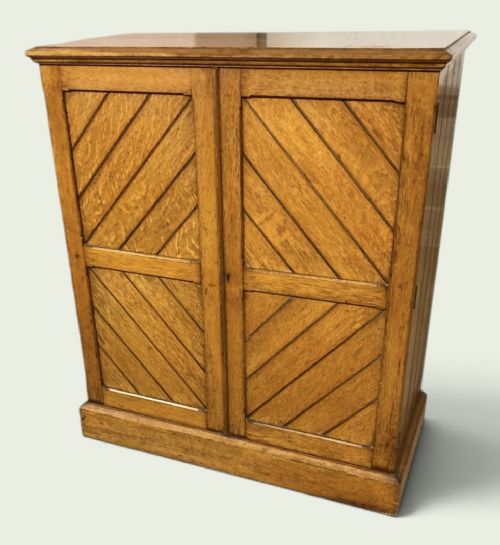
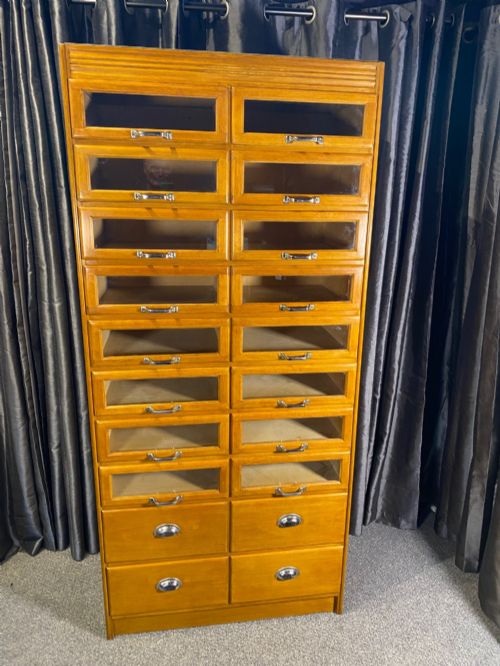
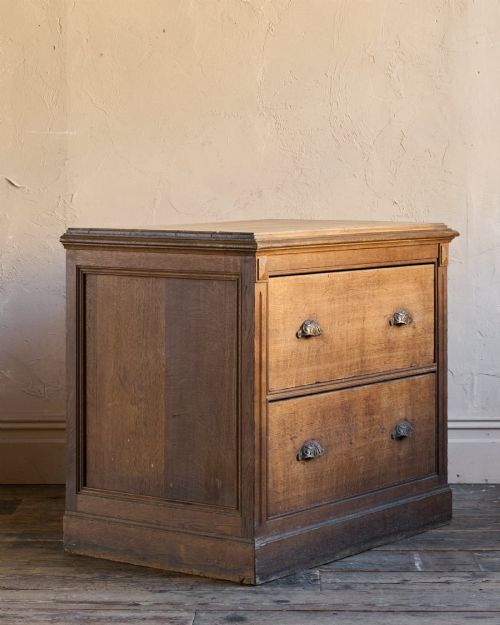
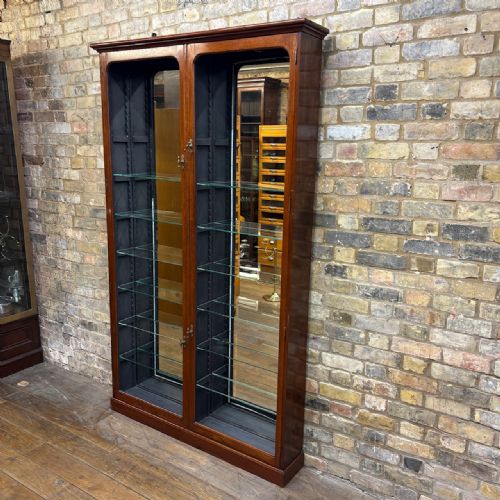
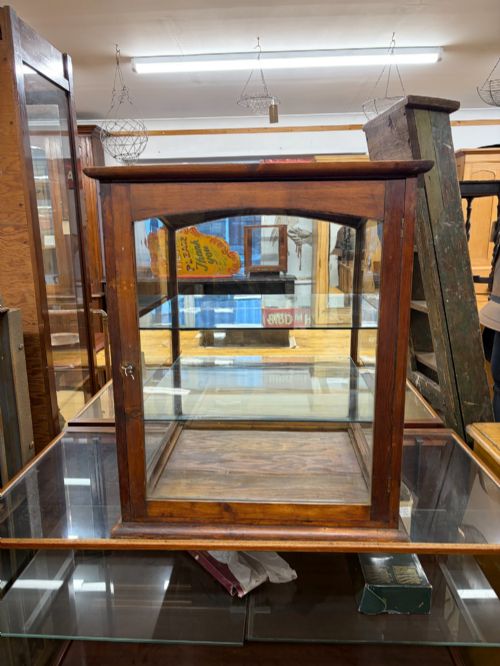
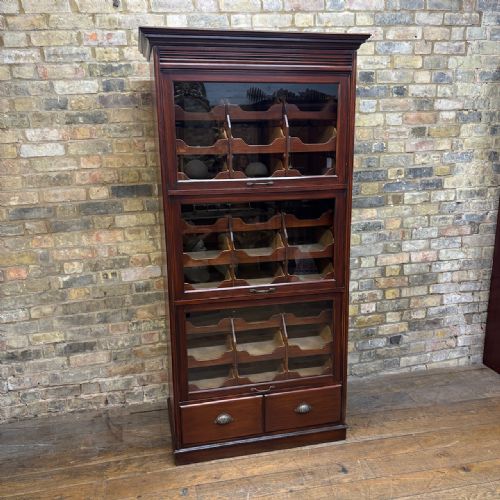
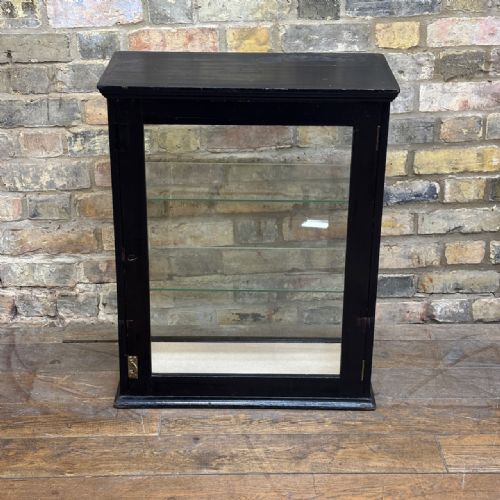
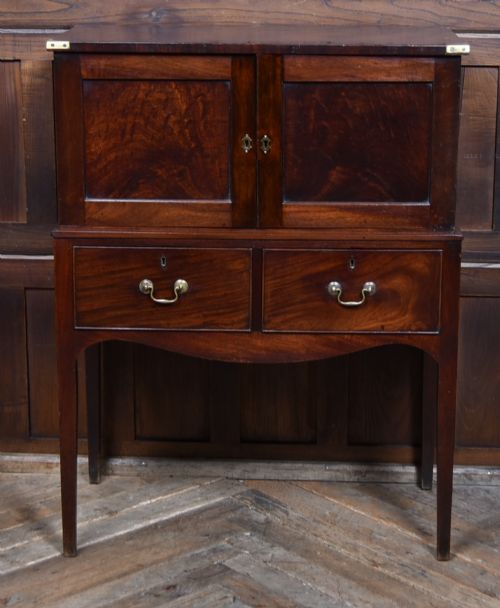
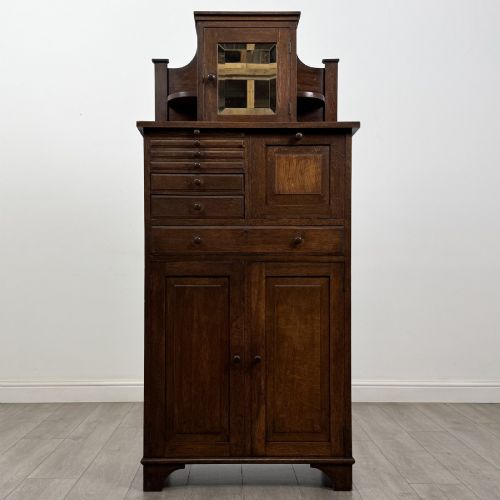
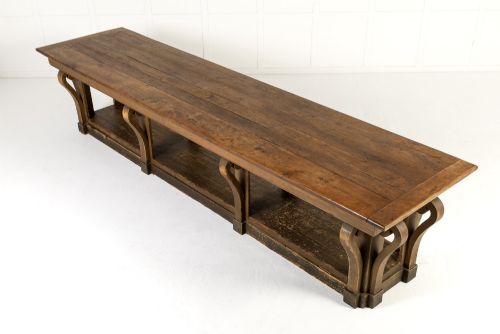
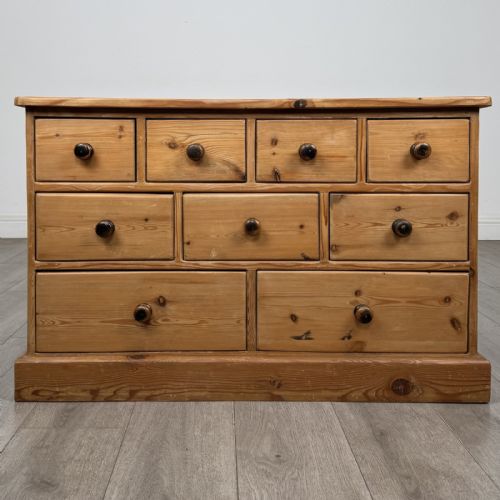
Buyers are most likely to encounter multi-drawer units, banks of drawers, and shop display cabinets constructed for commercial or domestic storage. These practical forms include pine filing drawers, oak storage cabinets, and countertop display cases designed to organise ribbons, threads, and small dry goods.
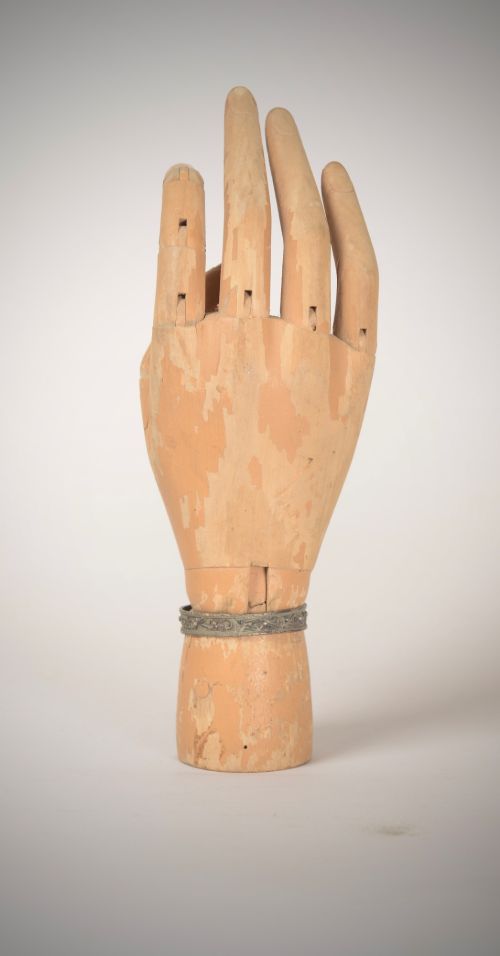
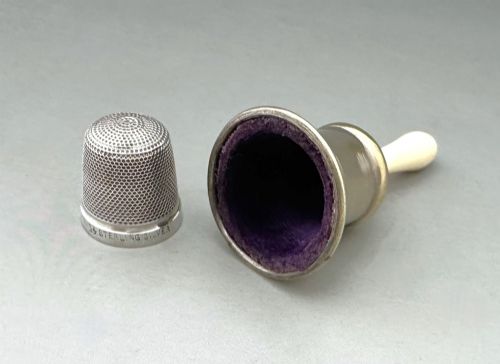
Alongside large furniture, the pieces extend to smaller sewing accessories and display items like sterling silver pin cushions, wooden hat stretchers, and cotton reel display trees. These items reflect the commercial and domestic textile trades of their respective periods.
How they were made
The furniture relies heavily on dense timbers such as mahogany, oak, and pine, often paired with brass drawer pulls, metal label holders, and iron fittings. Cabinets and banks of drawers utilise durable joinery suited to heavy daily use in retail and workshop environments.
Smaller decorative and utilitarian items incorporate contrasting materials, including glass for display panels, fruitwood for turned barrels, and sterling silver for detailed pin cushions shaped as animals or objects. Structural elements demonstrate traditional carpentry methods appropriate to commercial shop fittings and domestic sewing boxes.
Vintage Haberdashery Retail Price Guide 2026
Typical asking prices for vintage haberdashery among the pieces listed under this phrase on Sellingantiques today, from the lower quarter to the upper quarter. They describe what is for sale here now, not the wider market.
Listings span oak, mahogany, pine, and brass, recording storage cabinets and display cases from the Victorian era to the 1930s.
What varies in quality
Quality in these pieces rests upon the integrity of the original hardware, such as surviving shell pulls, label holders, and glass panels. Pieces retaining their original patinated timber surfaces and maker labels stand apart from those with replaced components or altered finishes.
Construction depth and scale also determine the character of the item, ranging from shallow pine filing drawers to massive multi-drawer oak storage units. The presence of specialised maker details or original shop lighting elevates the historical interest of the furniture.
F. Sage & Co·Dudley & Co·Luxmore's of Ilfracombe·Beatrice Saunders
The Vintage Haberdashery Glossary
- Bank of drawers
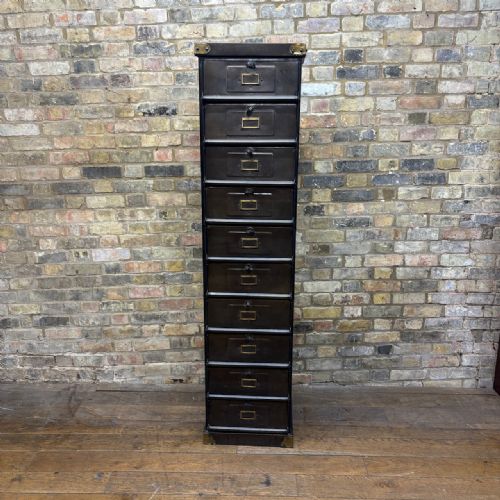
- A large cabinetry unit featuring numerous small drawers originally utilised in shops and offices for sorting stock. These pieces form a cornerstone of haberdashery storage.
- Plan chest
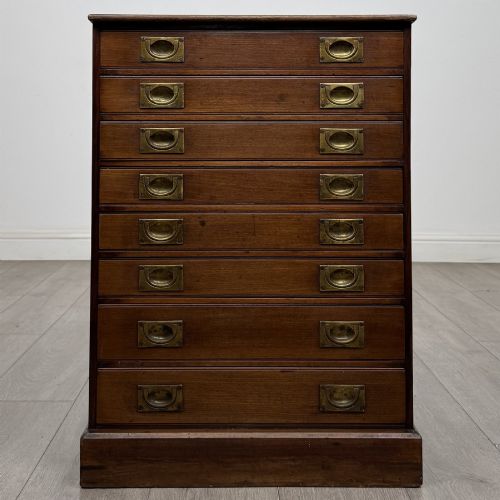
- A wide, shallow set of drawers built for storing architectural plans or large textiles. In a domestic setting, they provide surface space and organised flat storage.
- Pin cushion
- A small stuffed pad used for holding pins during sewing, often cast in sterling silver into whimsical shapes during the early twentieth century. Collectors prize these for their sculptural detail.
- Hat stretcher
- A wooden tool used by milliners to shape and stretch hats. They display distinct turned wooden forms mounted on stands.
- String barrel
- A turned wooden container designed to hold twine or string with a dispensing hole at the top. These functional desk and counter accessories appear in various fruitwoods.
Vintage Haberdashery: Frequently Asked Questions
What is a bank of drawers?
A bank of drawers is a large storage unit containing many small compartments, originally built for retail shops and offices to organise stock and small items. They provide functional storage for modern interiors while retaining a distinct commercial aesthetic.
These units appear in woods such as oak, mahogany, and pine, often featuring original brass hardware and label holders that indicate their past industrial or retail use.
How were shop display cabinets used?
Shop display cabinets sat on counters or stood on shop floors to showcase small dry goods, stationery, and textiles to customers. Glazed doors and panels protected the merchandise while keeping goods visible.
In contemporary homes, these cabinets serve to display collections, kitchenware, or small objects while protecting them from dust.
How do I identify Victorian pieces?
Victorian pieces often feature denser timbers like mahogany or fruitwood, hand-cut dovetail joints, and heavier brass or iron hardware. The styling reflects the utilitarian or ornate tastes of the nineteenth century.
Examining the construction methods and the wear patterns on the wood helps distinguish nineteenth-century examples from later twentieth-century reproductions.