





Vintage Graphite Drawing
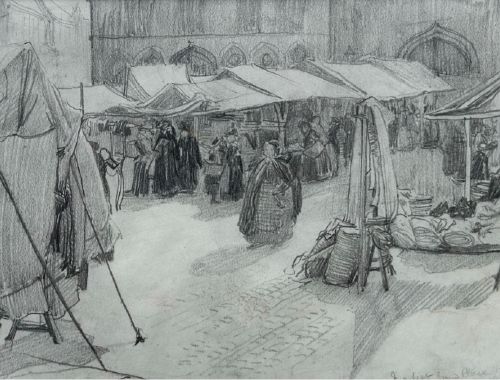
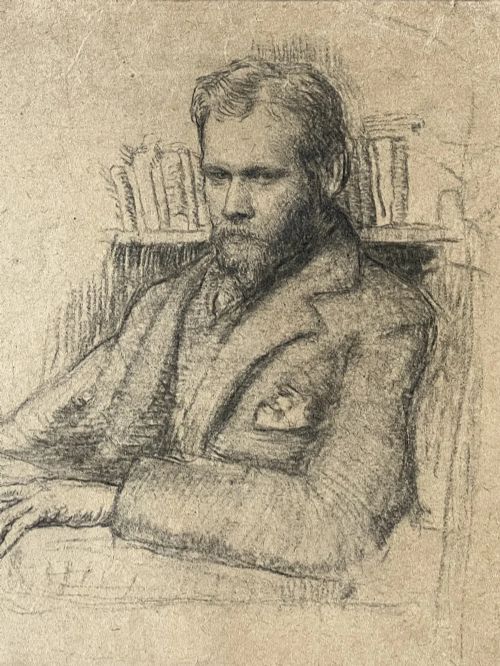
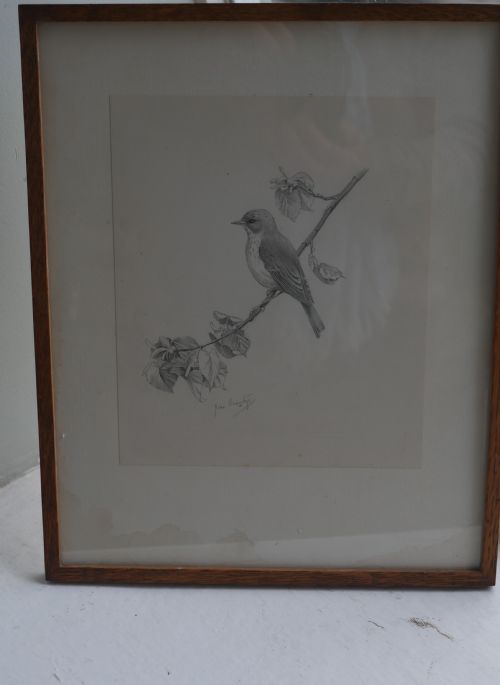
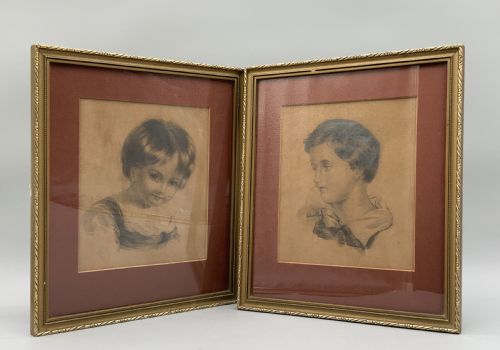
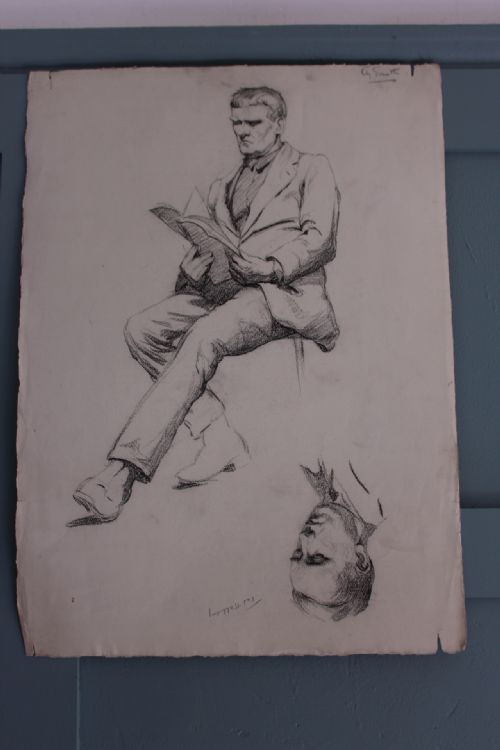
A vintage graphite drawing captures the direct hand of an artist through delicate pencil marks on paper, offering an intimate glimpse into historical portraiture and study.
Vintage Graphite Drawing
A vintage graphite drawing encompasses original works executed in pencil, graphite, and charcoal, ranging from academic studies to finished portraits. These pieces span multiple centuries, touching periods from the Georgian era through the Edwardian years and into mid-century modernism.
Buyers frequently encounter works executed on paper, sometimes accompanied by ink, chalk, or plumbago. These drawings range from rapid preparatory studies to detailed likenesses bearing artist signatures.
Materials and technique
Artists utilise graphite, pencil, and charcoal applied directly to paper supports to build tone, line, and shadow. These monochrome mediums allow for rapid gestural marks as well as meticulous hatching.
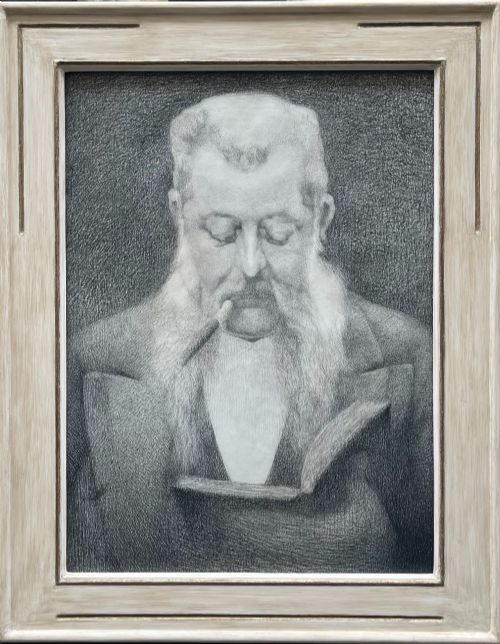
Framed works often incorporate wood, gilded wood, and glass to protect fragile paper surfaces from environmental degradation. The interaction between the graphite line and the texture of the antique paper remains central to the visual character of each piece.
Vintage Graphite Drawing Retail Price Guide 2026
Typical asking prices for vintage graphite drawing among the pieces listed under this phrase on Sellingantiques today, from the lower quarter to the upper quarter. They describe what is for sale here now, not the wider market.
Distinguishing quality
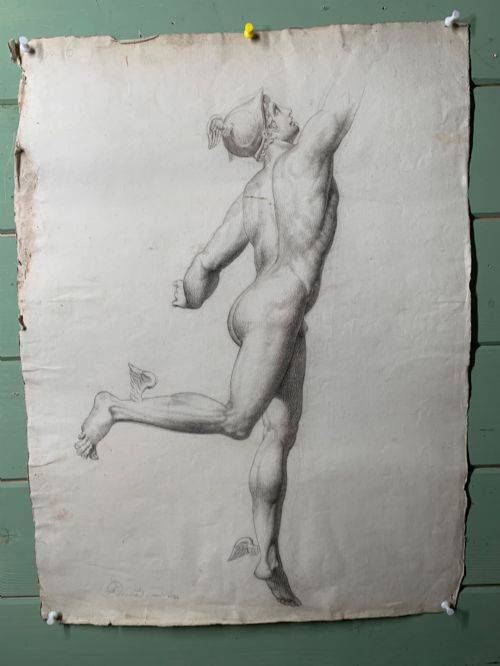
The distinction between ordinary sketches and superior works lies in the sureness of the draughtsmanship and the expressive economy of the line. Mastery of tone and anatomical precision elevate academic studies and portrait miniatures.
Condition of the paper and the integrity of the original framing elements influence the overall standing of a drawing. Works that retain their crisp tonal contrasts and stable paper supports command greater interest.
Henry Percy Huggill·Augustus John·Fred Lawson·Mariette Lydis·Faeq Hassan·Juliet Pannett
The Vintage Graphite Drawing Glossary
- Graphite
- A form of crystalline carbon used as a drawing medium in pencils. It yields grey or black marks that can be smudged or layered for tonal depth.
- Plumbago
- An early term for graphite, frequently used to describe small, highly detailed graphite portrait miniatures produced during the eighteenth century.
- Academic study
- A drawing created as a rigorous exercise in rendering the human figure, anatomy, or classical sculpture according to formal artistic training.
- Chalk
- An opaque drawing material used alongside graphite or charcoal to add highlights or contrasting tones to tinted paper.
Vintage Graphite Drawing: Frequently Asked Questions
How should I display a graphite drawing?
Keep drawings away from direct sunlight to prevent the paper from yellowing and the graphite from fading over time. Ensure the framing uses acid-free mounts so the paper does not discolour.
Maintain stable indoor humidity levels to protect fragile historical paper from warping or developing foxing spots.
What is the difference between pencil and graphite?
Pencil and graphite are essentially the same medium, as pencil leads consist primarily of graphite mixed with clay. Historical listings may use either term depending on the preferred terminology of the cataloguer.
Both terms refer to direct monochrome markings on paper surfaces without liquid paint binders.
Are these drawings original works?
Every piece presented is a unique original drawing executed by hand rather than a mechanical print or reproduction. Artists drew directly onto the paper during the listed historical periods.
Signatures, studio stamps, or contemporary inscriptions often help confirm the hand-drawn nature of the artwork.
How do I identify the period of a drawing?
Examine the clothing styles, hairstyles, and sitter poses within portrait subjects to gain initial clues about the date of execution. Stylistic movements such as Neoclassical, Regency, or Mid-Century Modern also point towards specific decades.
Paper types, watermarks, and framing methods provide additional physical evidence for dating historical works on paper.