

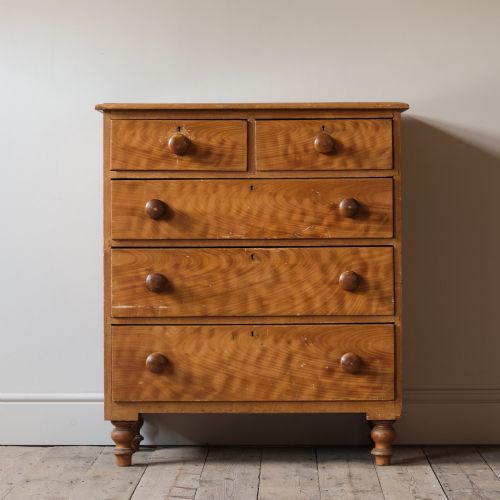
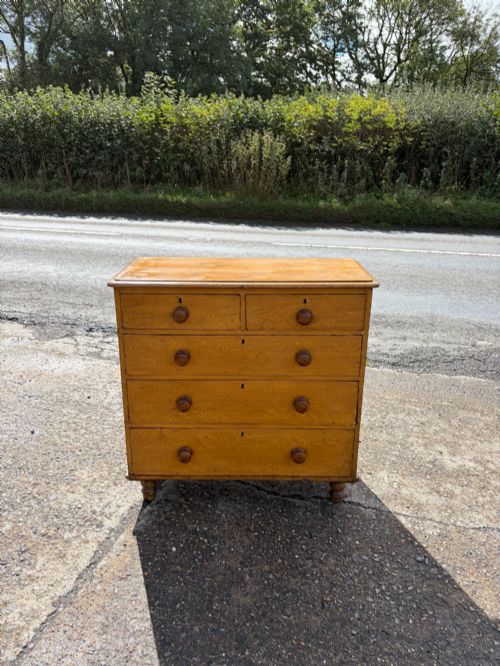
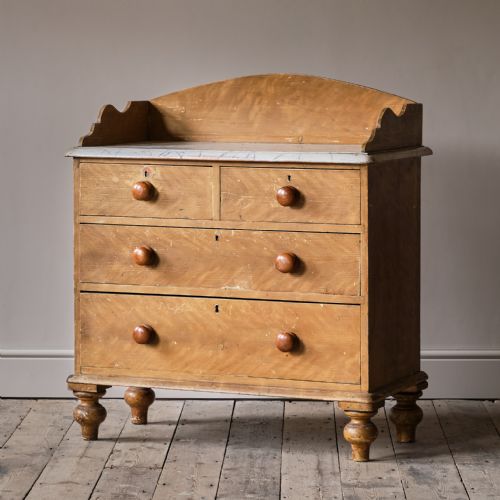
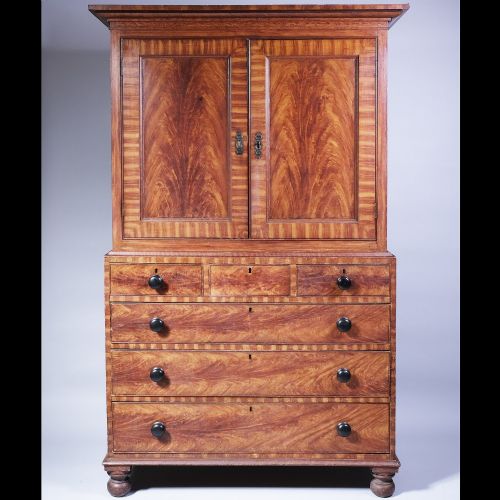


Vintage Grain Painted Chest
These vintage grain painted chest pieces bring honest texture and character into a room.
Vintage Grain Painted Chest
A vintage grain painted chest provides practical storage wrapped in simulated wood finishes that mimic more expensive timbers. When searching for a vintage grain painted chest, buyers encounter items dating from the nineteenth century through the nineteen twenties, with Victorian examples appearing most frequently.
The forms span standard chests of drawers, blanket boxes, linen presses, washstands, and dressing chests. These pieces often originate from country house, rustic farmhouse, and folk art traditions rather than formal urban workshops.
Materials and construction methods
Makers built these pieces primarily from pine and softwood, selecting timber that accepted surface treatments readily. Iron and brass hardware such as drawer pulls and hinges completed the structural assembly.
Artisans applied paint and scumble glazes over the wood substrate to create faux grain effects. This technique involved combing or dragging translucent topcoats across a lighter base coat to imitate oak, walnut, or exotic hardwoods.
Vintage Grain Painted Chest Retail Price Guide 2026
Typical asking prices for vintage grain painted chest among the pieces listed under this phrase on Sellingantiques today, from the lower quarter to the upper quarter. They describe what is for sale here now, not the wider market.
Victorian decorators dragged feathers and combs through wet glaze just to trick visitors into thinking humble pine was actually exotic walnut.
Assessing quality and surface preservation
Quality rests primarily in the survival and depth of the original surface finish. Pieces retaining undisturbed scumble glazes and authentic patination stand apart from those with heavy modern interventions or lost decoration.
Construction robustness also dictates distinction, separating simple utilitarian boxes from finer case furniture like Wellington chests and housekeepers cupboards that required greater joinery skill.
The Vintage Grain Painted Chest Glossary
- Scumble
- A translucent or semi-opaque layer of pigmented glaze brushed over a lighter ground colour. Artisans manipulate this wet layer using combs, feathers, or rags to simulate the varied grain patterns of timber.
- Pine
- A softwood commonly utilised for nineteenth century domestic furniture due to its availability and workability. It serves as the primary base material for grain painted surfaces.
- Wellington chest
- A tall, narrow chest of drawers secured by a hinged vertical locking sidebar on one side. This form provides secure storage while occupying a minimal floor footprint.
- Blanket box
- A large rectangular storage chest traditionally used for linens, blankets, and textiles. These simple wooden containers often feature hinged lids and robust board construction.
Vintage Grain Painted Chest: Frequently Asked Questions
What is a grain painted chest?
A grain painted chest is a wooden storage piece decorated with decorative paint techniques designed to imitate the rich grain of expensive hardwoods. Makers used this method to achieve a decorative finish on accessible softwoods like pine.
These items range from simple blanket boxes to multi-drawer chests originating primarily in nineteenth century rural and domestic settings.
How do I care for original scumble paint?
Preserving original scumble paint requires keeping the surface away from direct sunlight and excessive moisture. Dust the wood gently with a dry, soft cloth rather than using chemical polishes.
Maintaining stable indoor humidity prevents the pine substrate from expanding and contracting, which protects the delicate glaze layers from flaking.
How can I date a painted pine chest?
Dating relies on examining construction traits, hardware types, and the character of the paint layers. Nineteenth century pieces often show hand-cut dovetails, iron or brass fittings, and genuine wear within the scumble glaze.
Later examples from around nineteen hundred or the nineteen twenties display subtle shifts in timber thickness, joinery precision, and base pigments.
Where were these chests used historically?
These chests served primarily in bedrooms, nurseries, and utility areas of country houses and farmhouses. They provided everyday storage for clothing, linens, and personal items.
Because they combined utility with decorative faux finishes, they functioned in both working spaces and more visible domestic quarters.