


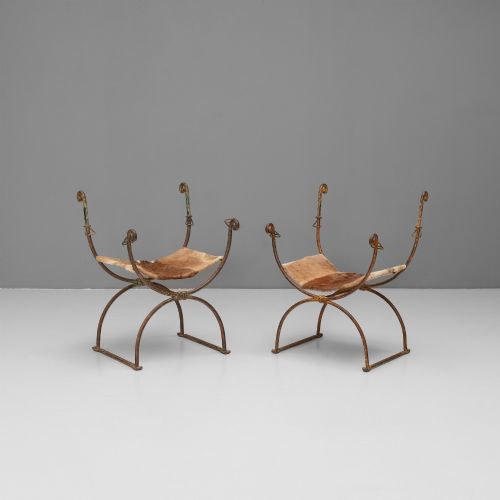


Vintage Gothic Stools
Vintage gothic stools combine heavy period timber with austere ecclesiastical lines to anchor a room with serious architectural weight.
Vintage Gothic Stools
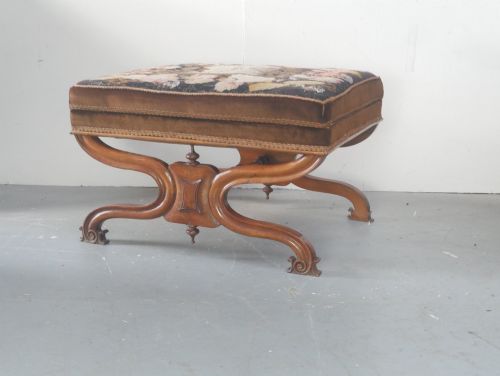
Vintage gothic stools draw upon historical architectural motifs, appearing mostly in nineteenth-century oak, walnut, and ebonised hardwood versions across this selection. Buyers seeking vintage gothic stools will encounter pieces rooted in Victorian Gothic Revival, Scottish Baronial, and Jacobean Revival aesthetics that lean heavily on traditional church and baronial forms.
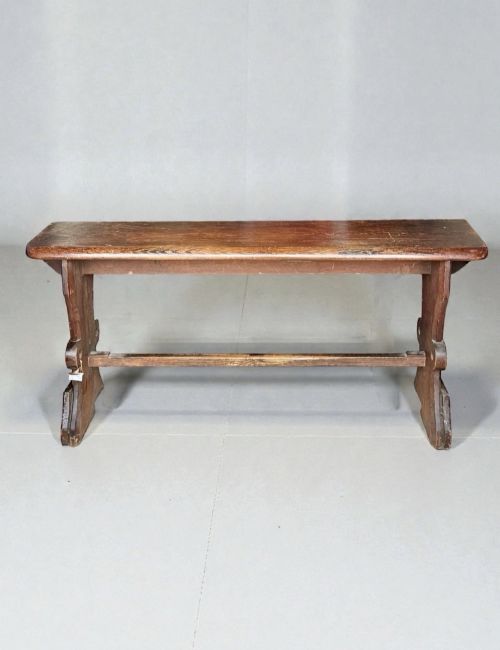
The objects take various structural shapes, ranging from joint coffin stools and spinning chairs to triangulated designs and low seating benches. These pieces originate predominantly from the nineteenth century, including specific dates around eighteen-fifty, eighteen-eighty, and nineteen hundred.
Many items echo ecclesiastical and domestic utility, utilising sturdy timber construction designed to endure heavy daily use. The selection brings together diverse regional interpretations, from Scottish Baronial examples to Italian sgabello-influenced forms.
Materials and construction methods
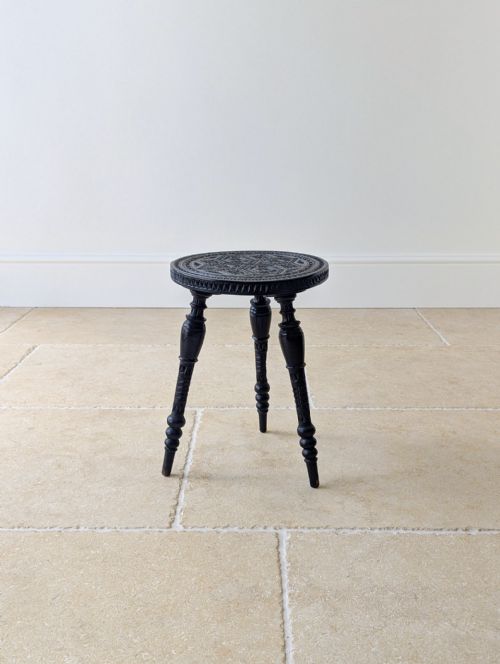
Makers relied heavily on solid oak, walnut, and ebonised hardwood, shaping the dense timber with hand-carved chip-carving and traditional joinery techniques. Structural integrity often depended on sturdy pegged joints rather than modern metal fasteners.
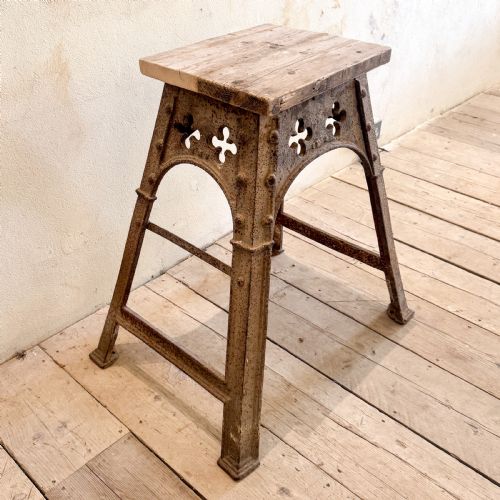
Upholstered elements incorporate leather, velvet, and tapestry inserts, fastened directly to wooden frames with brass studs or decorative tacks. Iron and metal components also appear occasionally to reinforce high-stress joints and support mechanisms.
Vintage Gothic Stools Retail Price Guide 2026
Typical asking prices for vintage gothic stools among the pieces listed under this phrase on Sellingantiques today, from the lower quarter to the upper quarter. They describe what is for sale here now, not the wider market.
One versatile nineteenth-century oak piece doubles as library steps and a chair.
Evaluating the craftsmanship
Quality rests in the depth and sharpness of the hand-carved details, distinguishing crisply executed chip-carving from softer, later surface decoration. The choice of primary timber also dictates longevity, with dense nineteenth-century oak and ebonised hardwoods holding up better than lighter secondary woods.
Originality of surface finish and the integrity of period upholstery materials separate standard examples from finer collector pieces. Pieces retaining their original leather, tapestry, or structural ironwork show higher fidelity to their original period manufacture.
The Vintage Gothic Stools Glossary
- Gothic Revival
- An architectural and decorative style drawing inspiration from medieval design, featuring pointed arches, heavy timber, and solemn proportions. This movement heavily influenced nineteenth-century furniture production.
- Joint Stool
- A sturdy wooden stool constructed with mortise and tenon joints, originally used for seating or as a small side table in domestic spaces. These pieces are typically built from heavy oak.
- Ebonised
- Wood treated with a chemical stain or finish to imitate expensive ebony, popular during the Victorian era for formal and Gothic revival furniture. This finish creates a sleek, dark black surface.
- Chip-Carving
- A decorative technique where small chips are removed from the surface of wood to create geometric patterns and low-relief ornament. Artisans applied this directly to solid timber frames.
Vintage Gothic Stools: Frequently Asked Questions
What periods do these stools come from?
The pieces originate primarily from the nineteenth century, spanning eras such as the Victorian period, eighteen-fifty, and nineteen hundred. A few examples extend into the early twentieth century around nineteen-thirty.
This timeframe encompasses distinct stylistic movements including Gothic Revival, Scottish Baronial, and Jacobean Revival.
How were these stools used historically?
These items served varied functions in domestic, ecclesiastical, and institutional spaces as practical seating and occasional furniture. Some forms functioned specifically as spinning chairs, sewing boxes, or library steps.
Their robust construction allowed them to withstand heavy daily use in both homes and churches.
What woods are most common?
Oak is the predominant timber seen across these listings, providing the structural strength required for heavy period forms. Walnut and ebonised hardwood also appear frequently.
Secondary materials include iron, brass, leather, and tapestry used for structural reinforcement and upholstery.
How do I identify a Gothic Revival piece?
Look for architectural motifs such as pointed arches, heavy timber framing, austere proportions, and hand-carved surface details. These elements directly emulate medieval church and castle architecture.
Makers utilised chip-carving and dark finishes like ebonised hardwood to heighten the solemn, historic appearance.