

Vintage Gold Table
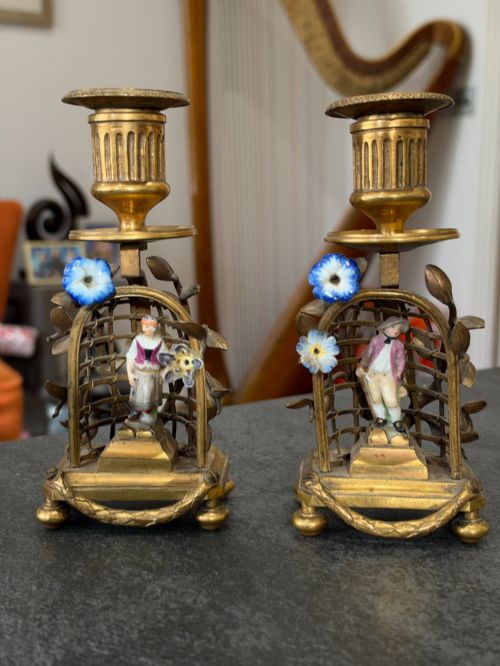
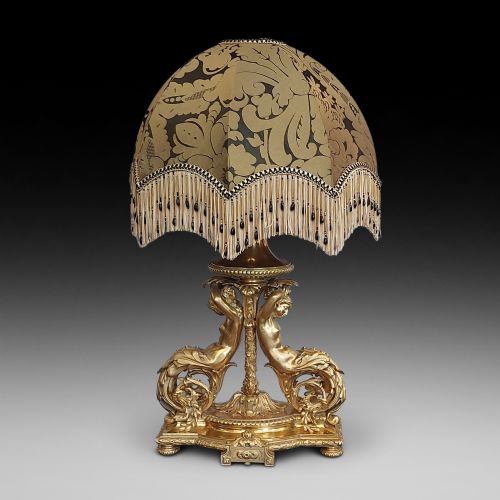
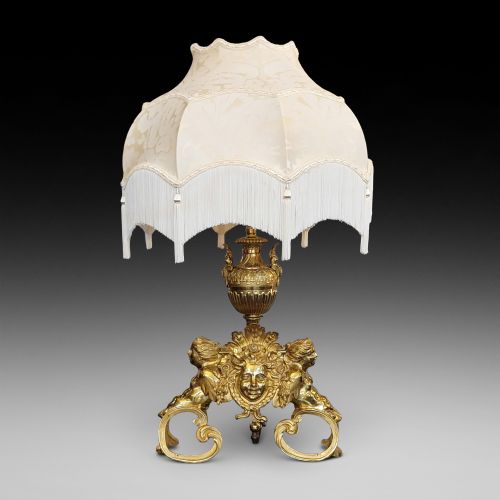
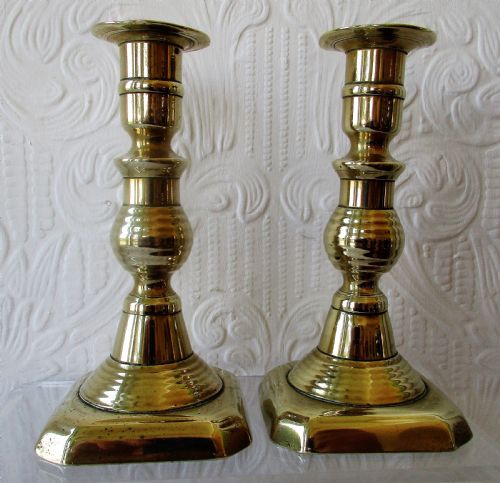
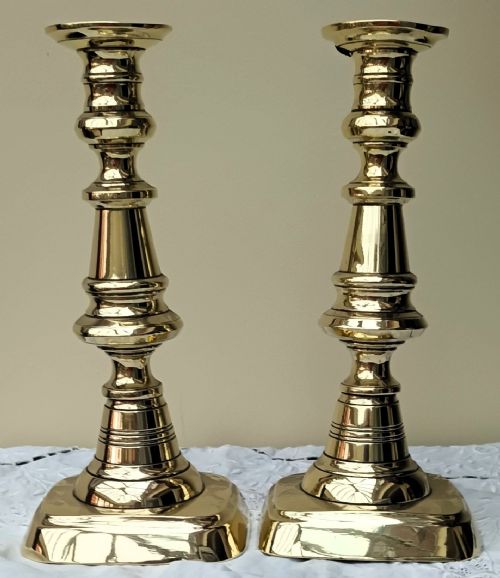
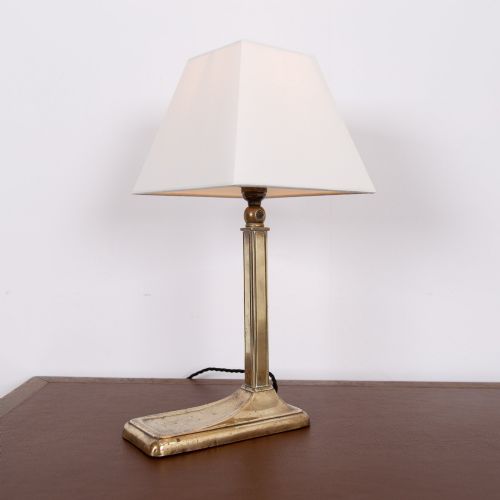
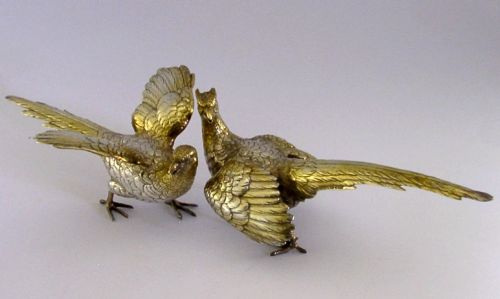
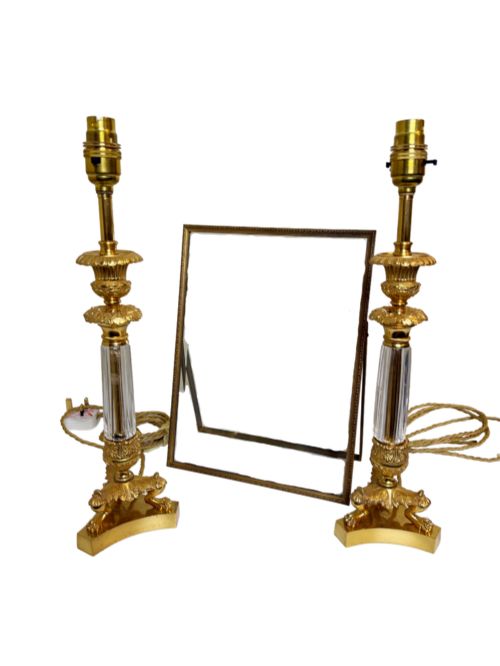
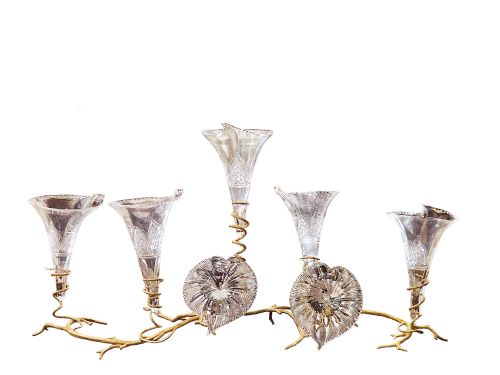
These items gathered under vintage gold table bring warmth and metallic lustre to a room, spanning occasional pieces to lamps and clocks.
Vintage Gold Table
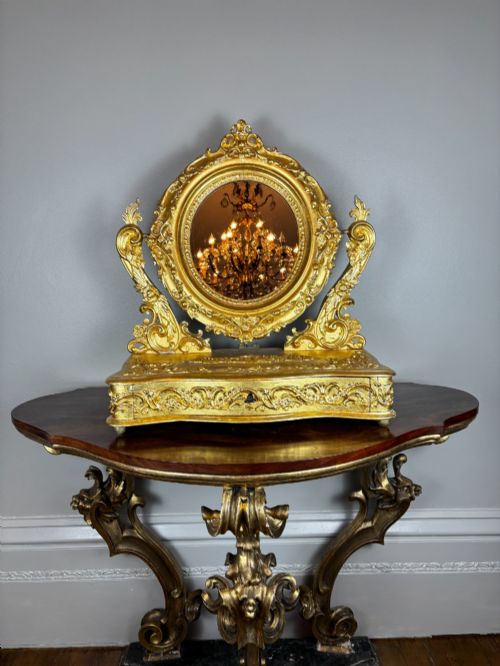
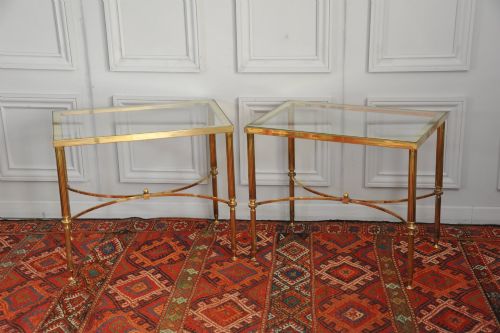
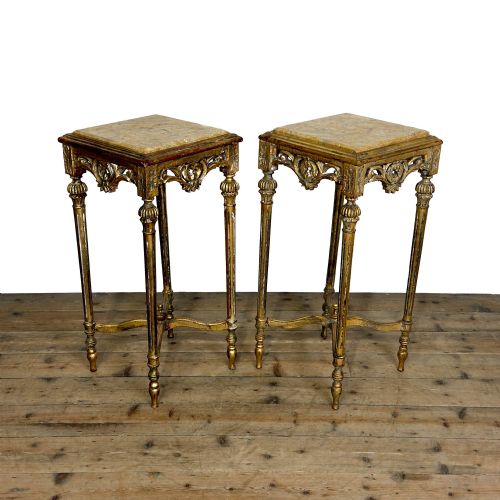
When searching for a vintage gold table, buyers encounter a diverse selection of small furniture items, side tables, and coffee tables finished with metallic gilding, brass, or ormolu. These pieces often draw upon historical design vocabulary, incorporating styles from French Rococo and Regency to Art Deco.
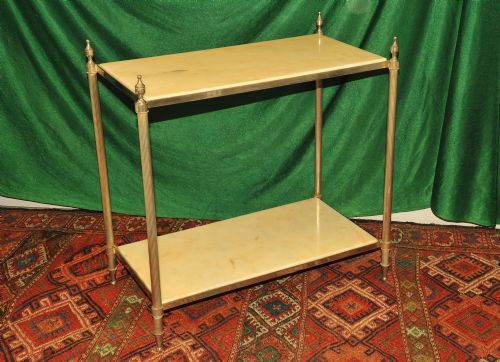
Makers and manufacturers utilised various forms, including lacquerwork with Chinoiserie motifs and marble-topped console tables. The selection ranges from slender side tables to substantial centre tables designed to catch and reflect light in a traditional interior.
Materials and construction methods
Craftsmen built these pieces using foundational materials such as wood, iron, and brass, applying gold leaf, gilt bronze, or ormolu to create surface radiance. Gilding techniques varied from water gilding on wood to fire gilding on bronze mounts.
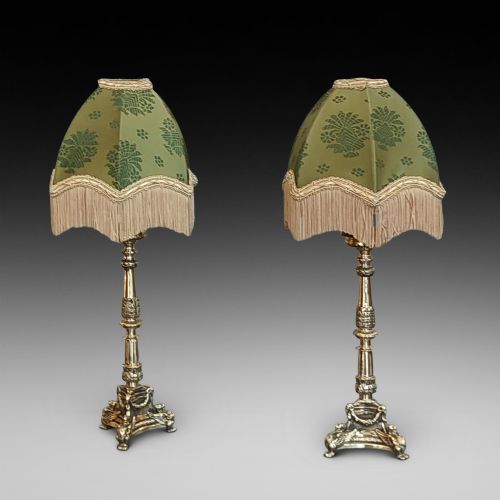
Decorative surfaces frequently incorporated lacquered finishes, hand-painted Chinoiserie details, and inlaid marble or onyx tops. Structural integrity relied on traditional joinery for wooden tables and cast metal components for lamps and candlesticks.
Vintage Gold Table Retail Price Guide 2026
Typical asking prices for vintage gold table among the pieces listed under this phrase on Sellingantiques today, from the lower quarter to the upper quarter. They describe what is for sale here now, not the wider market.
Materials across these listings include solid wood, brass, gilt bronze, marble, lacquer, and delicate gold leaf.
Distinctions in quality and execution
The distinction between standard production and superior craftsmanship lies in the depth of hand-chasing on metal mounts and the crispness of carved wooden details. Finer examples display meticulous attention to surface finish, whether in the smoothness of the lacquer or the precision of the gilt application.
Proportion and material selection heavily influence the character of each piece. Heavier cast bronzes, genuine marble or onyx slabs, and deep, layered lacquer work separate higher-tier decorative objects from lighter, mass-produced items.
Maison Ramsay·Royal Worcester·Juste-Aurèle Meissonier·Guillaume Coustou·Jozsef Molnar
The Vintage Gold Table Glossary
- Ormolu
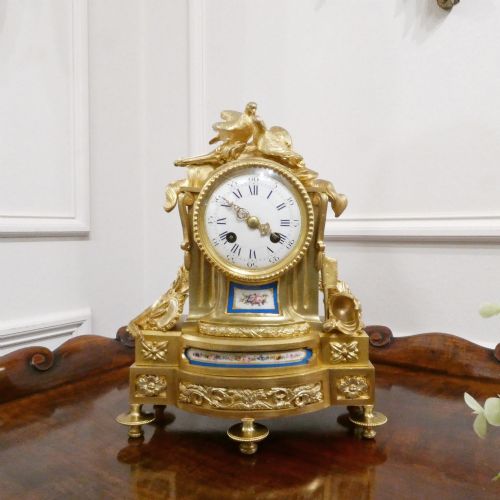
- Finely ground high-carat gold applied to a bronze base using a mercury amalgamation process, or simply cast brass finished to resemble gold. This technique imparts a durable, rich metallic lustre to decorative mounts and clock cases.
- Giltwood
- Timber, typically carved gesso-coated wood, covered with thin sheets of gold leaf. This method was widely utilised on frames, console tables, and decorative furniture.
- Candelabra
- A branched candlestick designed to hold multiple taper candles. These fixtures often form part of garniture sets alongside matching clocks.
Vintage Gold Table: Frequently Asked Questions
How do I clean a gilded table?
Dust surfaces gently with a soft, dry microfibre cloth to prevent scratching the delicate metallic leaf. Avoid liquid cleaners, ammonia, and abrasive cloths that can strip or dull the historic finish.
For stubborn marks, consult a professional conservator rather than applying domestic cleaning products. Protecting the surface from direct sunlight also prevents the lacquer and gilding from fading over time.
Are these tables sturdy enough for daily use?
Most occasional and side tables function well for holding lamps, books, or drinks during normal daily activities. However, heavy items should be avoided on delicate marble tops and antique joints.
Careful placement away from high-traffic walkways helps protect protruding ormolu mounts and carved wooden details from accidental bumps.
How can I tell if a piece is French or English?
French pieces often display exuberant Rococo or Neoclassical casting styles, utilising heavy gilt bronze and integrated marble or onyx. English examples frequently lean towards refined cabinetmaking, subtle brasswork, and regional interpretations of classical motifs.
Examining the construction methods underneath the top or inside the drawer joints frequently reveals characteristic joinery traditions unique to each country of origin.
What periods do these gold tables cover?
The pieces span the late nineteenth century through the mid-twentieth century, encompassing Victorian, Edwardian, and Art Deco design movements. Earlier items often revive Louis XV and Louis XVI aesthetics.
Mid-century additions introduce streamlined wrought iron and lacquer techniques while maintaining the metallic gold aesthetic.