




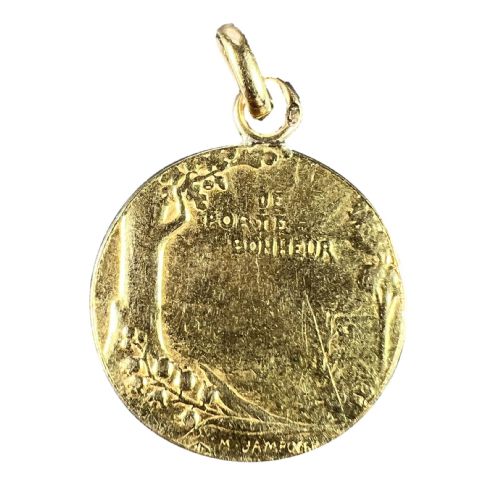
Vintage Gold Lucky Charm
A vintage gold lucky charm carries centuries of symbolism in miniature form, offering talismanic appeal for the collector.
Vintage Gold Lucky Charm
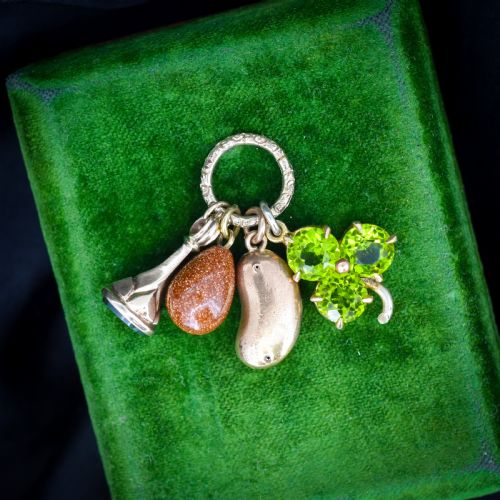
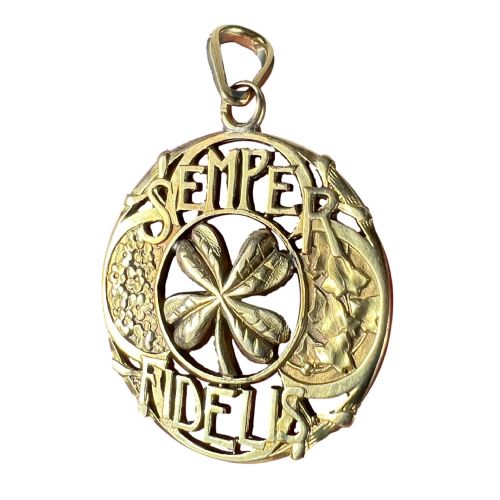
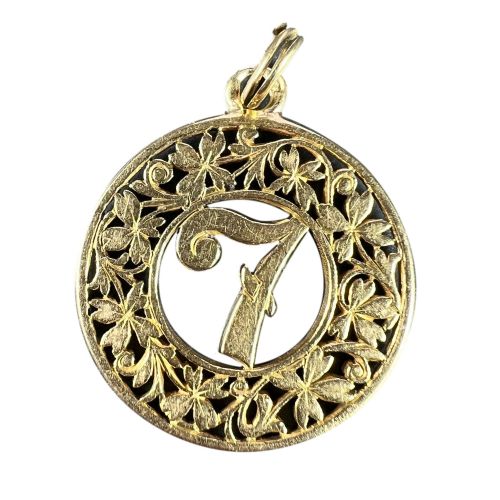
A vintage gold lucky charm brings together miniature forms and protective motifs designed to hang from a bracelet or chain. When searching for a vintage gold lucky charm, buyers encounter varied items ranging from 19th Century silver split rings holding small animals to 18K yellow gold clover medals.
The materials and styles span Victorian, Edwardian, Art Deco, and Mid-Century periods, encompassing French antique pieces alongside British examples. Formats include traditional charms, pendants, and split rings featuring pigs, horseshoes, compasses, and gambling cards.
Materials and Construction
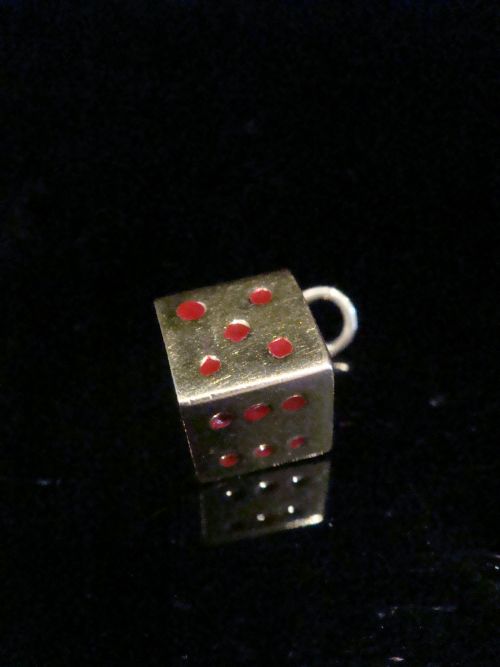
These pieces are constructed predominantly in yellow gold, 18K gold, and 18ct yellow gold, sometimes paired with silver, gold gilt, or hardstone elements. Jewellers shaped these metals into detailed miniature objects such as dice, wheels, and horseshoes.
Many examples incorporate polychrome enamel work to highlight card suits, dice dots, or French inscriptions like 'Reussite' and 'Bonheur'. Additional textures emerge through shagreen surfaces and engraved details on split rings.
Vintage Gold Lucky Charm Retail Price Guide 2026
Typical asking prices for vintage gold lucky charm among the pieces listed under this phrase on Sellingantiques today, from the lower quarter to the upper quarter. They describe what is for sale here now, not the wider market.
The listings show pieces spanning the 19th Century, 1890, 1910, 1920, and 1950 periods in yellow gold, enamel, silver, and hardstone.
Assessing Quality
Quality in these charms rests upon the crispness of the miniature casting and the preservation of any applied enamel. Pieces featuring hand-engraved inscriptions or integrated working elements like miniature compasses show higher levels of maker skill.
The integrity of the gold standard, whether 9ct, 10ct, or 18K, combines with the artistic execution of the tiny subjects to set finer examples apart from simpler production.
The Vintage Gold Lucky Charm Glossary
- Split ring
- A circular doubled wire band used to hold multiple charms securely. These rings frequently feature hand engraving on early pieces.
- Enamel
- Vitrified glass powder fused to metal through heat to add colour. This technique decorates cards, dice, and lucky motifs.
- Hardstone
- Semi-precious stones carved or polished for use in jewellery. Such stones provide contrasting textures against gold settings.
- Gilt
- A thin layer of gold applied to a base metal surface. This finish mimics solid gold while utilising alternative core materials.
- Shagreen
- Untanned leather prepared from shark or ray skin. It yields a distinctive granular texture on pendant surfaces.
Vintage Gold Lucky Charm: Frequently Asked Questions
What is a lucky charm pendant?
A lucky charm pendant is a small decorative talisman worn around the neck rather than on a bracelet. These pieces combine miniature symbols with suspension loops.
They often incorporate motifs intended to bring good fortune, such as horseshoes, clovers, and gambling numbers.
How do I date a gold charm?
Dating relies on stylistic markers, hallmarks, and the specific materials used in construction. Victorian and Edwardian pieces often display distinct engraving styles.
Later mid-century examples utilise different gold carats and manufacturing techniques that separate them from 19th Century items.
Were these charms worn on bracelets?
Many early charms were designed specifically for charm bracelets attached via split rings. Over time, collectors and owners converted numerous examples to pendant wear.
Both formats exist across the 19th Century and 20th Century selections.