
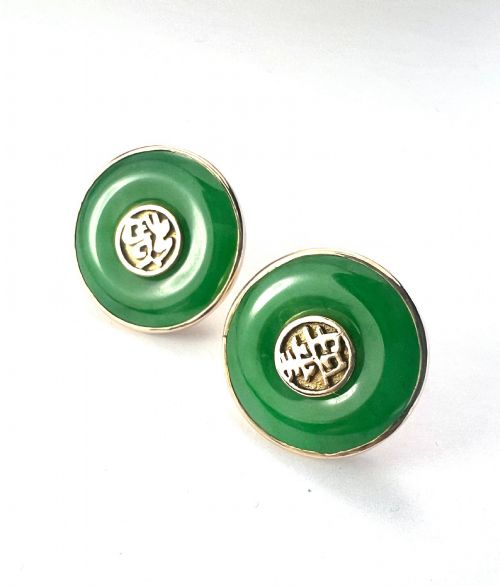
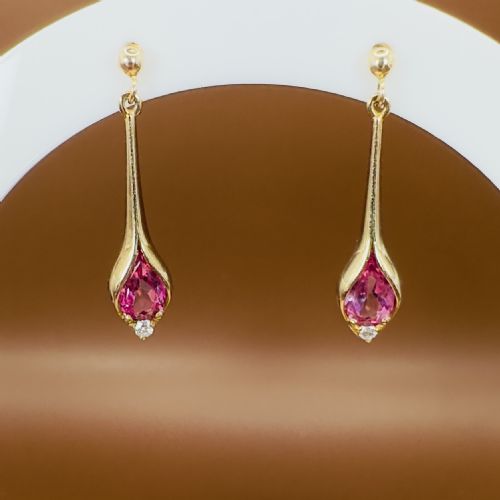


Vintage Gold Gemstone Studs
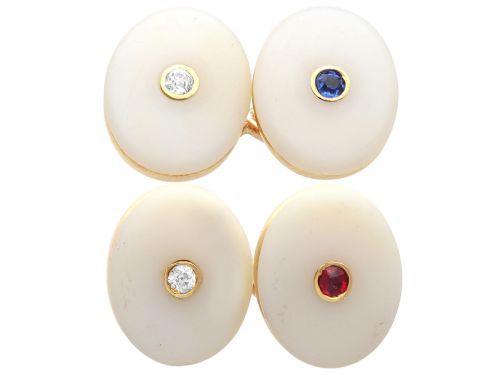
Vintage gold gemstone studs bring bright colour and compact form to the earlobe, combining precious metals with genuine stones from across the decades.
Vintage Gold Gemstone Studs
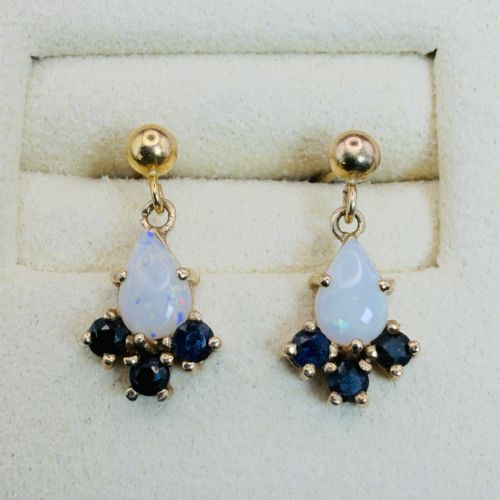
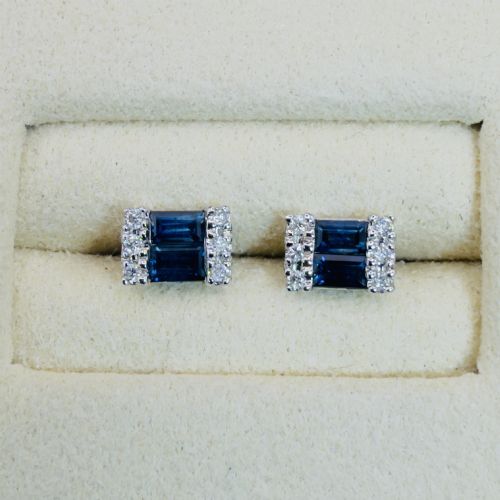
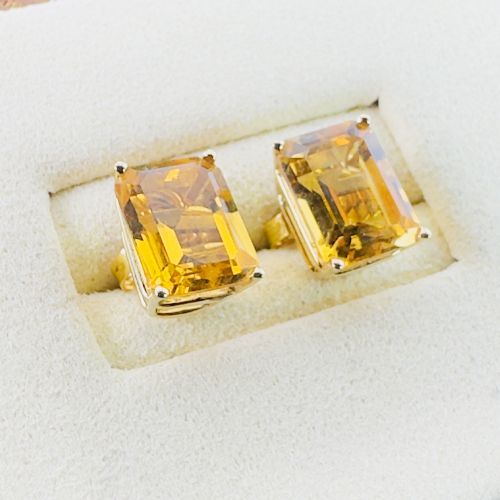
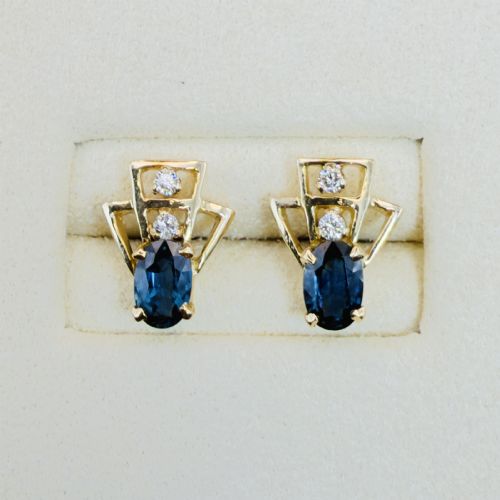
Vintage gold gemstone studs are compact earrings designed to sit directly on the earlobe, secured with posts, screw backs, or clips. When searching for vintage gold gemstone studs, you encounter various configurations, from simple solitary stones held in settings to intricate multi-stone clusters.
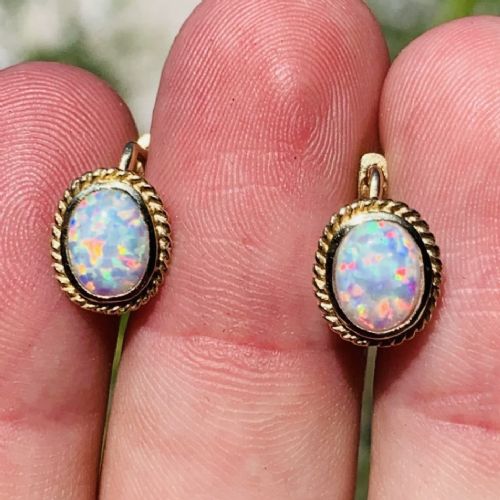
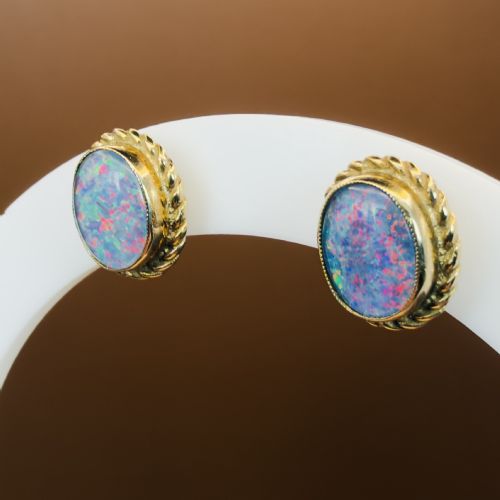
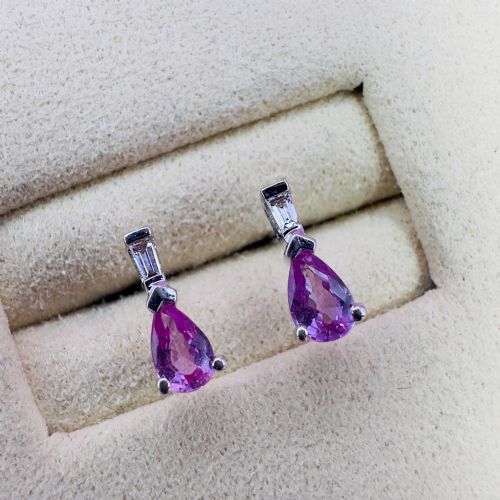
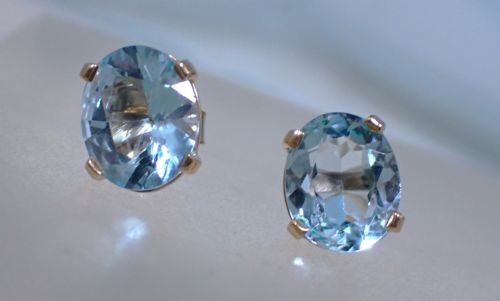
The selections span periods from the Victorian era through Edwardian and Art Deco designs into mid-century modern styles. Mid-century and nineteen-fifties examples appear frequently, often showcasing vibrant opals, garnets, and aquamarines set in yellow or white gold.
Materials and construction methods
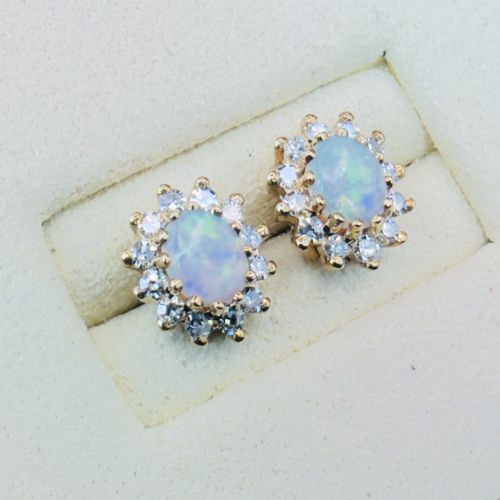
These pieces utilise precious metals including nine-carat, fourteen-carat, and eighteen-carat gold, alongside platinum and white gold alloys. Goldsmiths mounted stones using precise claw settings, bezels, or cluster arrangements that surrounded central gems with smaller diamonds or pearls.
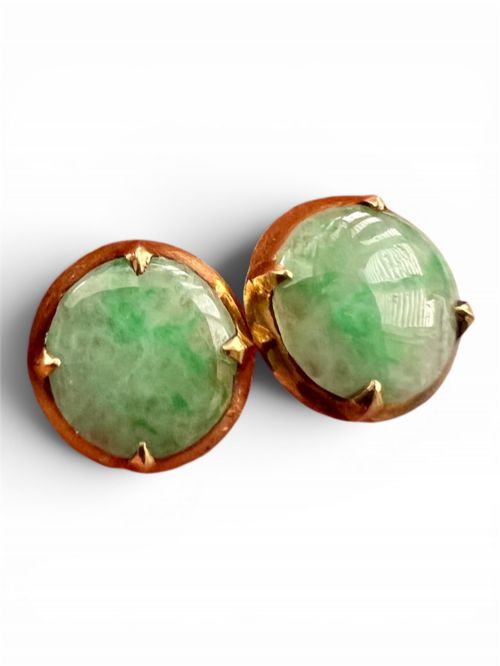
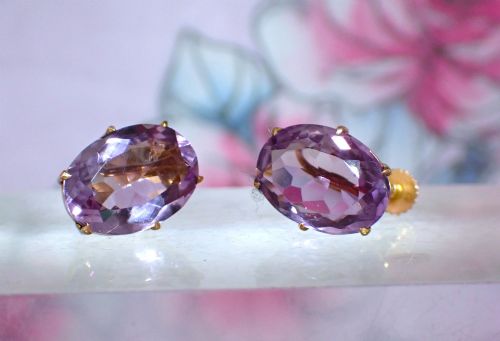
Stones are shaped into cabochons, oval cuts, emerald cuts, and pear cuts to catch the light effectively. Craftsmanship involves detailed metalwork such as filigree frames and secure screw-on or post mechanisms designed for daily wear.
Some vintage opals change colour in different lights, holding tiny universes within their polished domes.
Factors that distinguish quality
Quality rests in the selection and cutting of the central gemstone, where clarity, colour saturation, and natural inclusions define the visual impact. Superior pairs display matched stones with even hues and secure, precise setting work that holds each gem firmly without excess metal.
The weight and purity of the gold mountings also differentiate pieces, alongside the subtlety of period ornamentation like filigree or integrated diamond halos. Well-preserved maker marks and original settings elevate the integrity of the design.
Andrew Grima
The Vintage Gold Gemstone Studs Glossary
- Cabochon
- A gemstone shaped and polished with a smooth, rounded surface rather than faceted edges. This style suits opaque or translucent stones like opals and jadeite.
- Cluster
- An arrangement where a larger central gemstone is encircled by a border of smaller stones, typically diamonds or pearls.
- Filigree
- Delicate ornamental work consisting of fine, twisted gold wire soldered together in open patterns.
- Carat
- The unit of measurement used to weigh gemstones, or the measure of purity for gold alloys. Higher numbers indicate greater gold content in the metal.
- Screw-on
- An earring fastening mechanism utilising a threaded post and nut to adjust pressure on the earlobe. This style provides secure attachment without requiring pierced ears.
Vintage Gold Gemstone Studs: Frequently Asked Questions
How do I wear screw-on earrings?
Screw-on earrings utilise a threaded post and a small butterfly nut that turns on a screw to adjust pressure. You place the pad against the back of the lobe and gently tighten until secure.
This mechanism allows unpierced ears to wear substantial drop and stud designs comfortably throughout the day.
What is a gemstone doublet?
A doublet is a composite gemstone made by fusing two separate layers together, commonly seen with opals where a thin slice of precious opal is bonded to a dark backing.
This technique enhances the play of colour and strengthens the stone while maintaining a genuine natural face.
How do I date these earrings?
Dating relies on identifying stylistic markers like geometric Art Deco lines, Edwardian filigree, or mid-century abstract cluster forms. Hallmarks stamped onto the gold provide official assay office stamps and date letters.
Comparing the cut of the stones and the construction techniques further narrows the period of origin.
Can I convert clip-ons to posts?
Converting clip-on or screw-on mechanisms to standard posts is technically possible with the help of a skilled jeweller. However, altering vintage mountings removes original components and can affect the historical integrity of the piece.
Many collectors prefer to keep period mechanisms intact, especially when they function correctly.