


Vintage Gold Diamond Earrings
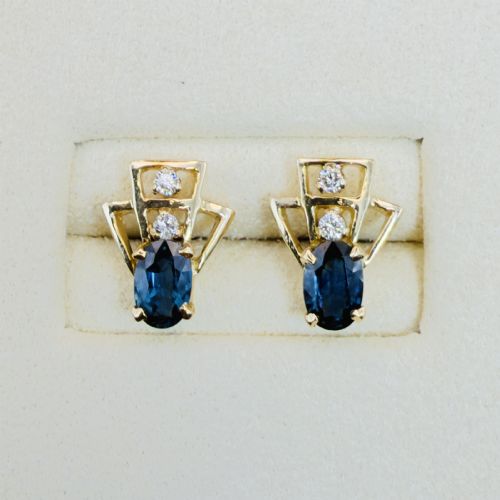
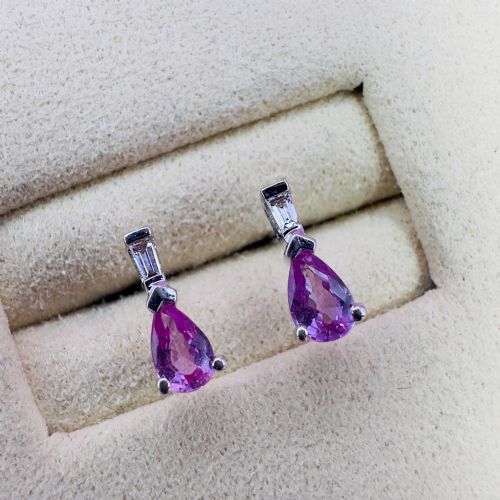
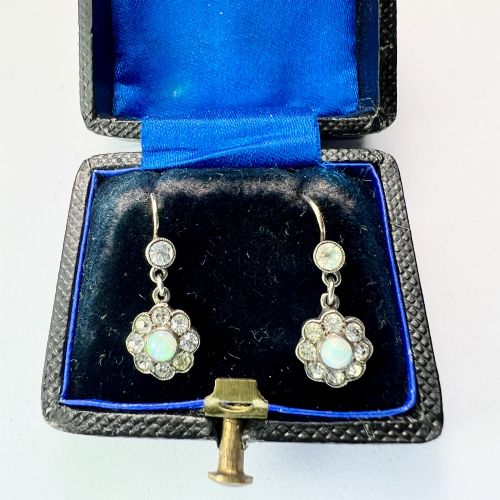
Vintage gold diamond earrings range from delicate Edwardian drops to bold mid-century clusters, combining precious metal and fine stones.
Vintage Gold Diamond Earrings
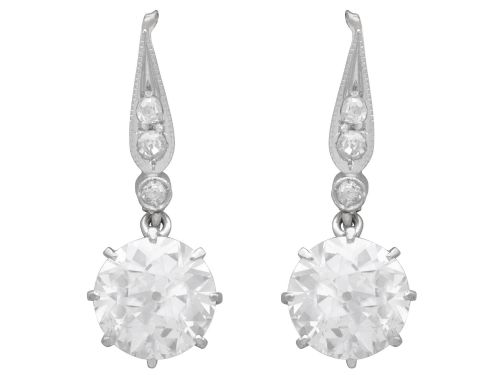
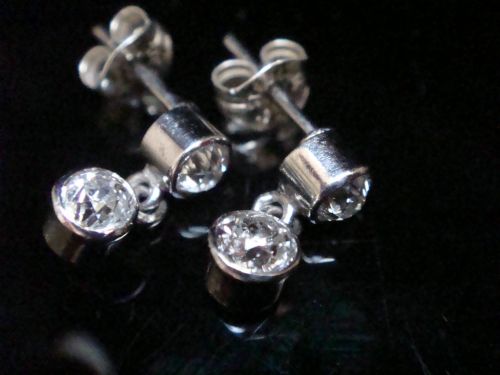
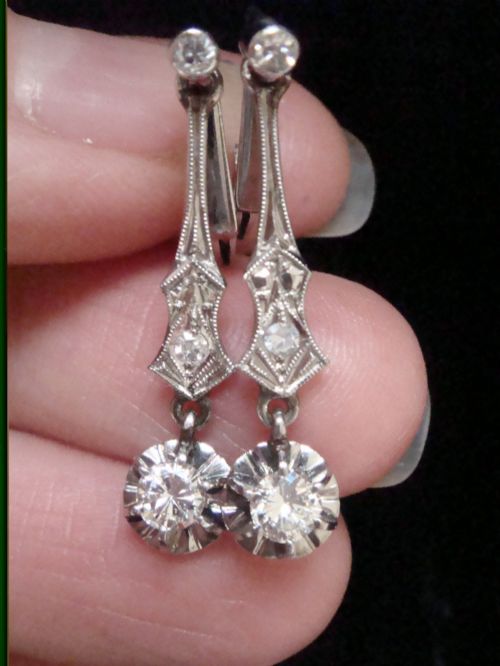
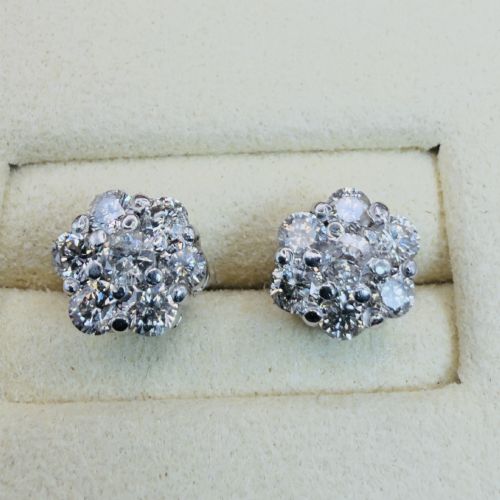
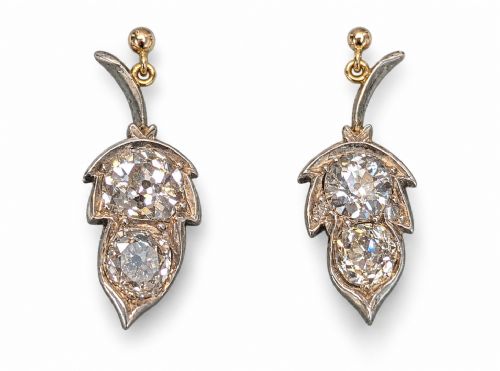
When searching for vintage gold diamond earrings, collectors encounter a rich assortment of historical designs spanning from Victorian and Edwardian pieces to Art Deco and mid-century modern creations. These items include drop earrings, secure screw-back studs, and elaborate floral clusters incorporating coloured gems alongside diamonds.
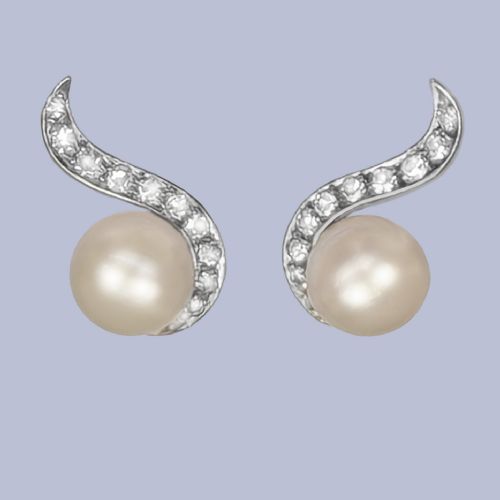
The selection frequently highlights 18ct white gold and yellow gold settings, often paired with platinum accents to enhance the sparkle of old-cut or brilliant-cut diamonds. Buyers commonly find pieces featuring central sapphires, emeralds, aquamarines, or pearls framed by diamond halos in distinct period styles.
How They Were Made
Master jewellers utilised traditional casting and hand-fabrication methods, combining yellow gold, white gold, and platinum to mount stones securely. Silver was frequently employed in older Victorian and Edwardian top settings to whiten the appearance behind hand-cut diamonds before platinum became widely utilised.
Gemstones such as sapphires, emeralds, and pearls were meticulously claw-set, bezel-set, or bead-set into intricate cluster, dangle, and dormeuse configurations. Goldsmiths incorporated specialised fasteners like screw backs, latchbacks, and clip-on mechanisms to suit contemporary fashion and practical piercing needs.
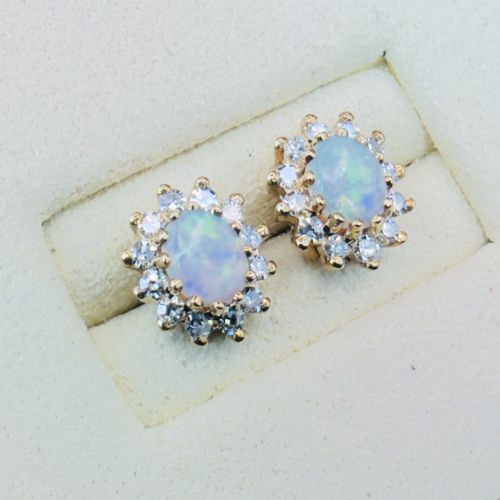
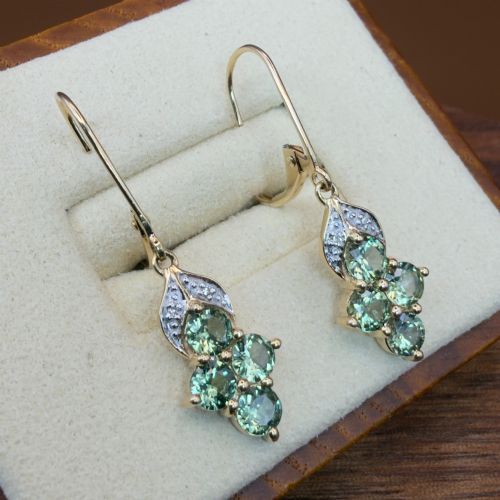
The inventory records diverse centre stones including emeralds, sapphires, rubies, aquamarines, pearls, and opals paired with diamonds.
What Varies In Quality
The standard of these pieces depends heavily on the precision of the stone-cutting, particularly the symmetry and depth of old-cut or baguette diamonds. Superior examples display harmonious proportions between the central gemstones and the surrounding diamond cluster work.
Construction integrity also defines the tier of craftsmanship, visible in the robustness of hinge backs, screw mechanisms, and delicate openwork galleries. The purity and weight of the underlying gold or platinum settings further establish the overall grade of the jewellery.
Knoll & Pregizer·Andrew Grima·Julius Cohen
The Vintage Gold Diamond Earrings Glossary
- Old Cut
- A diamond cutting style characterised by a small table, high crown, and large culet, typical of antique and Edwardian jewellery.
- Cluster
- An arrangement of gemstones where a central stone is surrounded by a border of smaller stones, often forming a floral or geometric motif.
- Dormeuse
- A type of antique earring designed with a secure clasp, originally intended to be worn comfortably while sleeping.
- Screw Back
- A mechanical earring fastening that uses a threaded post and nut to secure the piece on non-pierced or pierced lobes.
- Platinum
- A dense, strong, and naturally white precious metal frequently utilised in Art Deco settings to hold diamonds securely without discoloration.
Vintage Gold Diamond Earrings: Frequently Asked Questions
How do I secure vintage screw back earrings?
Vintage screw back earrings rely on a threaded post and a small rotating nut to adjust the tension on the earlobe. Gently turn the nut along the thread until it rests comfortably against the back of the ear without applying excessive pressure.
Take care not to over-tighten the mechanism, as historical threads can wear down over time. Regular cleaning of the threaded post ensures the screw moves smoothly.
What is the difference between old cut and brilliant cut diamonds?
Old cut diamonds feature hand-faceted surfaces designed under candlelight, resulting in softer, broader flashes of light and distinctive high crowns. Brilliant cut stones utilise modern geometric precision to maximise internal reflection and intense sparkle.
Items from the Victorian and Edwardian eras typically feature old cuts, while mid-century pieces more commonly incorporate brilliant cuts.
Can non-pierced vintage earrings be converted?
Many vintage clip-on or screw-back earrings can be adapted by a professional jeweller to fit pierced ears using standard posts or hinges. This modification should be considered carefully, as altering original mountings may affect the historical integrity of the piece.
Consulting a specialist ensures that the conversion preserves the structural balance and aesthetic of the design.
How should I care for gemstone and diamond earrings?
Clean these items gently using warm water, mild soap, and a soft-bristled brush to remove dust from behind the stone settings. Avoid harsh chemical dips, particularly if the piece contains softer organic gems like pearls or porous opals.
Store each pair separately in a lined jewellery box to prevent the diamonds from scratching softer gold mounts or adjacent stones.