



Vintage Glass Portrait
These vintage glass portrait pieces combine delicate imagery with protective glazing, offering a glimpse into past aesthetics that collectors treasure.
Vintage Glass Portrait
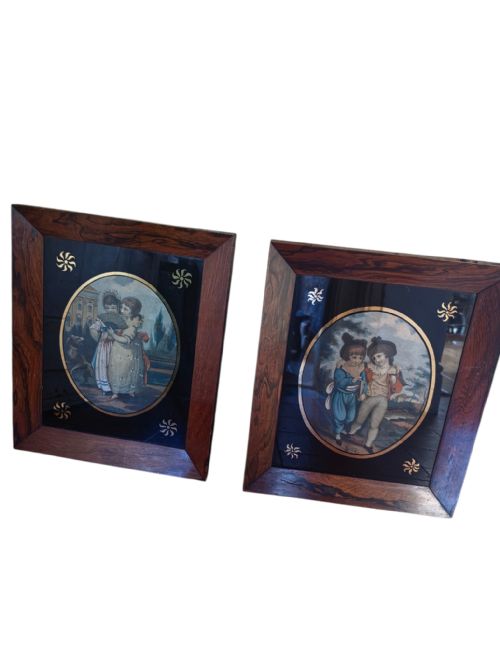
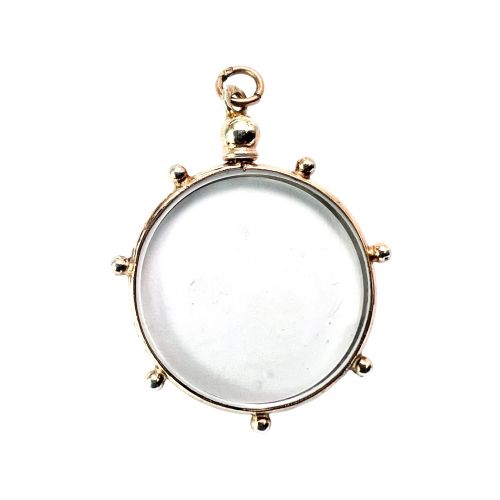
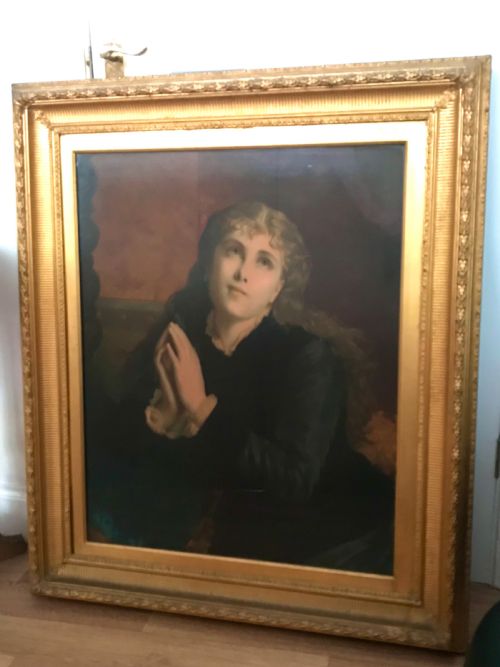
A vintage glass portrait encompasses framed artworks, reverse glass prints, chrystoleums, and lockets originating from periods such as the Georgian era, the nineteenth century, and the nineteen-twenties.
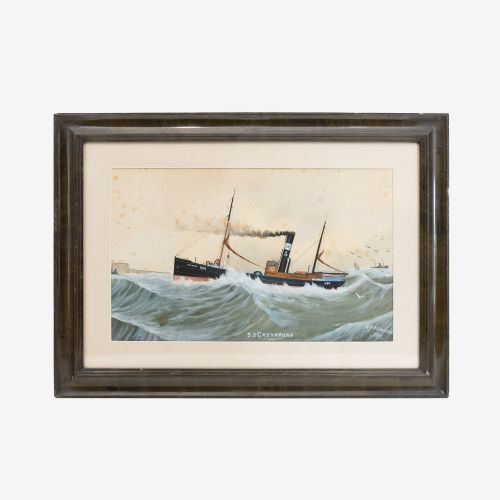
Buyers seeking this phrase encounter wall art, pendants, and frames where the subject sits behind glass, including religious scenes, maritime watercolours, and depictions of beauties.
The selection spans domestic English items alongside French and Japanese works, showing how different cultures approached portraiture under glass.
How they were made
Materials include glass, paper, wood, giltwood, gesso, watercolour, and canvas, frequently combined to house the image securely.
Techniques range from reverse glass printing and chrystoleum application to watercolour painting and engraved glass, utilising metal mounts like gold and ormolu for pendants and frames.
Vintage Glass Portrait Retail Price Guide 2026
Typical asking prices for vintage glass portrait among the pieces listed under this phrase on Sellingantiques today, from the lower quarter to the upper quarter. They describe what is for sale here now, not the wider market.
What varies in quality
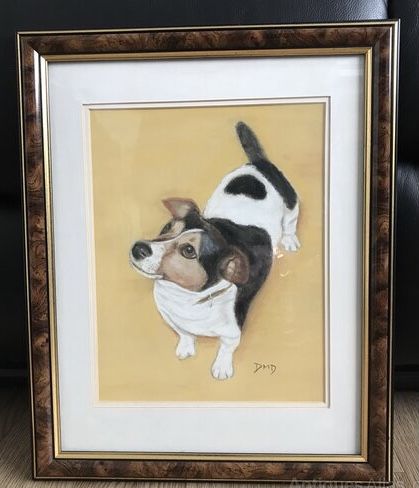
Quality separates through the finesse of the underlying artwork, whether a hand-painted pastel or a detailed reverse glass print, compared to standard reproductions.
The craftsmanship of the housing - such as rosewood frames, hand-carved giltwood, or intricate gold and ormolu metalwork - defines the distinction between everyday items and superior pieces.
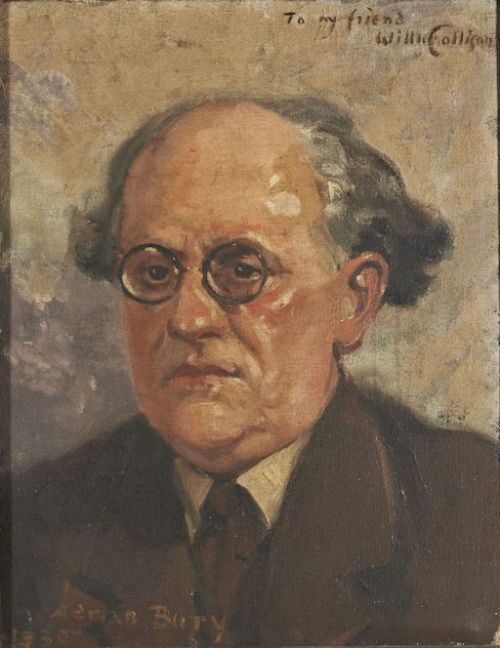
Alexander Harwood·Takabatake Kasho·Adrian Bury
The Vintage Glass Portrait Glossary
- Reverse Glass Print
- An image applied directly to the reverse side of a glass sheet for viewing from the front. This technique protects the pigments from dust and fading.
- Chrystoleum
- A coloured photograph or print placed under convex glass and hand-painted from behind. It creates a layered, dimensional effect resembling an oil painting.
- Ormolu
- Finely chased gilded bronze used for decorative mounts on frames and photo holders. The finish yields a rich golden lustre.
- Gesso
- A plaster-like mixture applied to wood frames as a base for moulding and gilding. It provides a smooth surface for ornate decorative details.
Vintage Glass Portrait: Frequently Asked Questions
What is a chrystoleum portrait?
A chrystoleum is a photograph placed under curved glass, rendered translucent with oils or watercolours before the paper backing is removed. The technique was popular during the Victorian era for adding depth to standard prints.
Artisans applied pigments by hand to the reverse side, creating a vibrant finish that mimics a genuine painting when sealed inside its frame.
How do reverse glass prints work?
Reverse glass painting involves applying pigment directly onto the back of a glass pane in reverse order, starting with fine details and finishing with backgrounds. When turned over, the final composition appears correctly oriented through the glass.
This method preserves the colours from environmental wear and gives the surface a distinct glossy sheen characteristic of Georgian and nineteenth-century domestic art.
How should I clean glass portrait frames?
Cleaning antique frames requires care to avoid damaging delicate gilding, gesso, or aged wood surrounds. Use a dry, soft brush to remove dust from crevices without applying moisture to vulnerable surfaces.
For the glass itself, apply a small amount of neutral cleaner to a cloth rather than spraying directly, ensuring liquid does not seep behind the pane.