








Vintage Glass Pictures
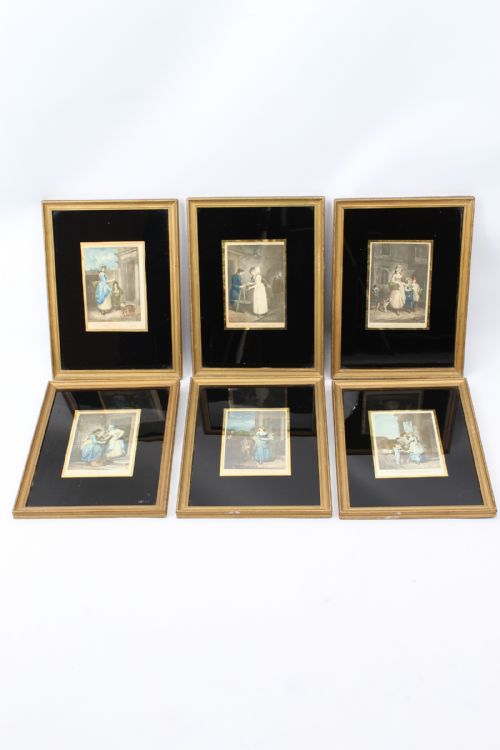
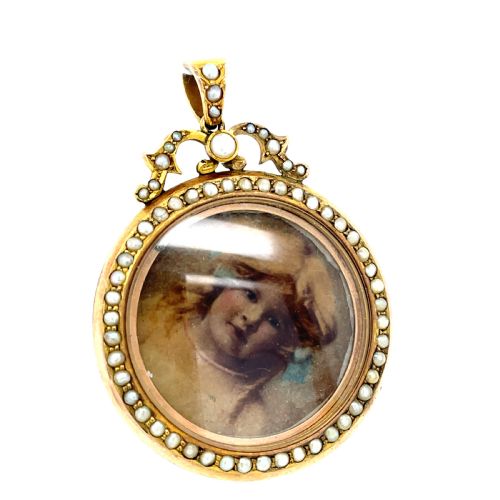
These vintage glass pictures combine prints, paintings, and photographs set behind protective panes, offering a distinct visual depth found in domestic interiors.
Vintage Glass Pictures
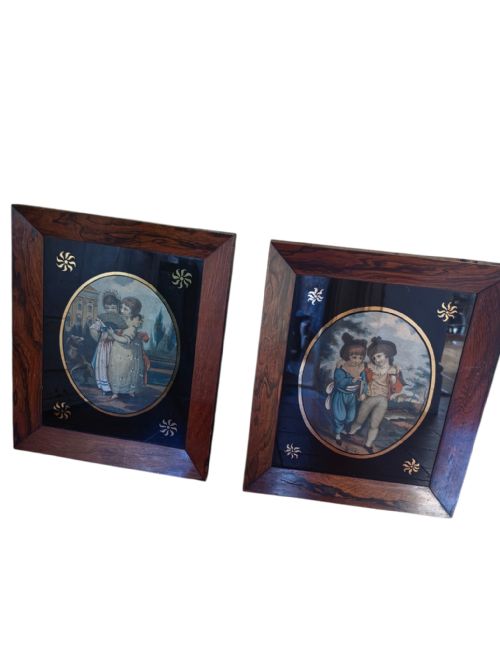
Vintage glass pictures encompass a diverse group of wall art and framed objects where glass plays a structural role in displaying the artwork. When searching for vintage glass pictures, buyers encounter items ranging from Georgian reverse glass prints to Victorian chrystoleums and mid-century paintings under glass.
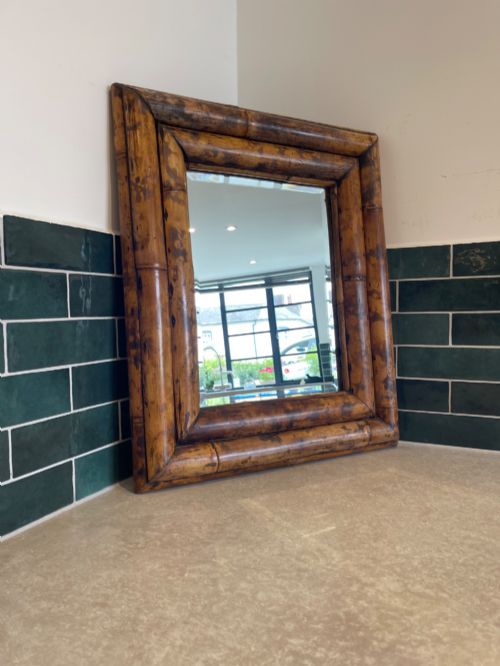
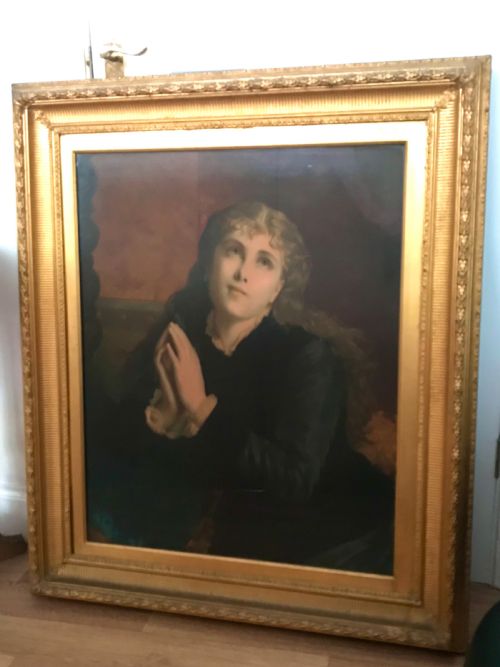
The selections span multiple periods, notably the nineteenth century, Georgian era, and the nineteen-twenties, incorporating mirrors, religious portraits, and decorative panels. Many pieces integrate paper elements, canvas, or textile fragments mounted within rosewood, maple, or giltwood frames.
Originating from British and continental traditions, these works often depict portraits, domestic scenes, or naval engagements. The physical presence of glass changes how light interacts with the pigments and prints beneath it, creating a reflective surface quality.
How they were made
Makers utilised specialised techniques such as reverse glass painting and mezzotints applied directly to the rear of the pane, allowing the image to be viewed clearly from the front. Chrystoleums involved applying hand-coloured prints to convex glass, which were then clarified with oil and tinted further from behind.
Frames employ traditional joinery and materials including giltwood, gesso, maple, and chrome, paired securely with glass, paper, and canvas supports. Metal elements such as ormolu and yellow gold appear in smaller frames and lockets, framing the glass components.
Vintage Glass Pictures Retail Price Guide 2026
Typical asking prices for vintage glass pictures among the pieces listed under this phrase on Sellingantiques today, from the lower quarter to the upper quarter. They describe what is for sale here now, not the wider market.
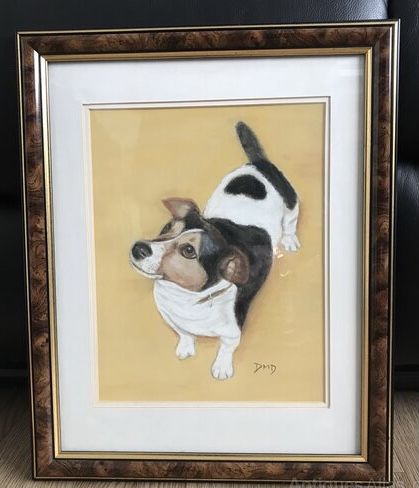
Cats, dogs, and royal hunting scenes gaze out from behind protective glass, proving domestic animals and nobility share equal wall space.
What varies in quality
The clarity of the glass and the preservation of the pigment underneath distinguish finer examples from standard decorative items. Intricacy in hand-colouring, particularly on chrystoleums and reverse glass portraits, separates master work from mass production.
Frame construction and material selection contribute heavily to overall quality, with hand-carved giltwood or rosewood housings showing superior craftsmanship compared to plain or later replacements. Original backing materials and untouched mountings retain historical integrity.
The Vintage Glass Pictures Glossary
- Chrystoleum
- A coloured photograph or print mounted on convex glass and painted by hand from behind. This technique gained popularity during the Victorian period for adding realistic colour and depth to monochrome images.
- Reverse glass painting
- An artwork created by painting or printing directly onto the back of a glass panel so the final image is viewed through the transparent front. Georgian and nineteenth-century artisans utilised this method to protect the pigments from dust and fading.
- Eglomise
- A decorative technique involving the application of gold or silver leaf to the reverse of glass, combined with etching or painting. It creates a reflective, metallic border often found on mirrors and decorative panels.
- Gesso
- A plaster-like mixture applied to wood frames as a base for moulding and gilding. Artisans carved intricate decorative motifs into the hardened gesso surface before applying gold leaf.
Vintage Glass Pictures: Frequently Asked Questions
What is a chrystoleum?
A chrystoleum is a photograph or print adhered to curved glass, hand-painted from the back to create depth.
Popular in the Victorian era, these pieces often depict portraits or romantic scenes behind convex glass panes.
How do you clean antique glass pictures?
Careful dusting with a dry, soft cloth is best for preserving both the frame and the surface.
Moisture must be kept away from the edges to prevent water seeping behind the glass and damaging the paper or paint.
Are reverse glass prints old?
Many reverse glass prints date from the Georgian and nineteenth centuries, serving as popular wall decoration.
Makers painted directly onto the back of the glass, creating a glossy finish that endured without traditional varnishes.
How are these framed?
Frames range from elaborate giltwood and gesso designs to simple rosewood or maple mouldings.
The glass is typically held securely within the rebate, sometimes accompanied by backing boards or secondary framing.