





Vintage Glass Perfume Atomiser
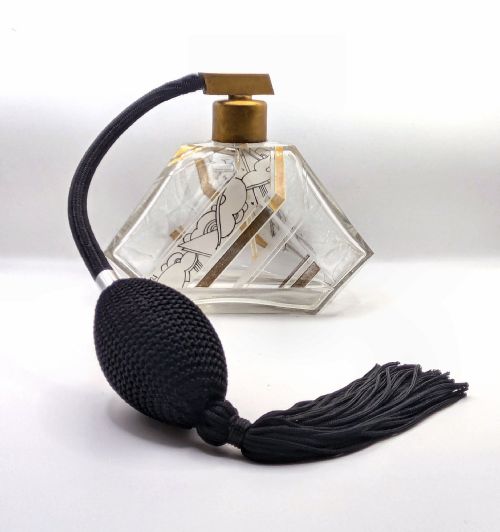
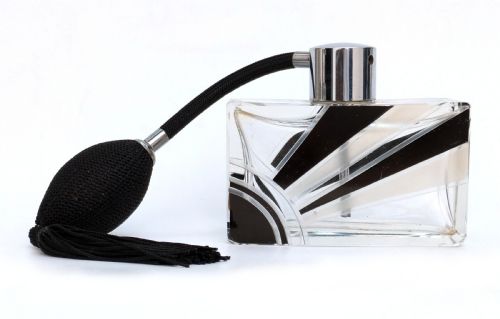
A vintage glass perfume atomiser brings dressing table elegance into the present with striking geometric lines and period colour.
Vintage Glass Perfume Atomiser
A vintage glass perfume atomiser is a decorative vanity vessel designed to dispense fragrance through a bulb or pump mechanism. These pieces belong predominantly to the Art Deco era, reflecting the design sensibilities of the 1920s and 1930s.
Buyers browsing this selection encounter various forms including standard perfume bottles, scent bottles, and atomisers mounted on stands. Origin points span France and Bohemia, bringing distinct regional interpretations to the dressing table.
The prevailing aesthetic relies heavily on the clean lines and bold geometry characteristic of 1930 design. Many examples incorporate specialised glass treatments such as cutting and frosting to catch the light.
How they were made
Makers utilised heavy glass and crystal as the primary body materials, often employing mould-pressing and hand-cutting techniques to achieve sharp facets and sunray motifs. Frosted glass provided textural contrast against polished transparent surfaces.
Metal components such as chrome, brass, and early plastics like Bakelite formed the hardware and collars necessary for the spraying mechanism. Fabric frequently covered the squeeze bulbs that propelled the scent.
Vintage Glass Perfume Atomiser Retail Price Guide 2026
Typical asking prices for vintage glass perfume atomiser among the pieces listed under this phrase on Sellingantiques today, from the lower quarter to the upper quarter. They describe what is for sale here now, not the wider market.
These charming vanity bottles survived a century of changing fashions just to mist your morning scent.
What varies in quality
Quality in a vintage glass perfume atomiser rests on the weight and clarity of the glass vessel and the sophistication of its cutting. Pieces featuring complex geometric motifs or integrated stands demonstrate superior design ambition.
The execution of metal mounts and enamel work distinguishes standard production from more prestigious workshops. Retaining original hardware components enhances the integrity of the object.
Karl Palda·Rudolf Hlousek·René Lalique·Hermanova
The Vintage Glass Perfume Atomiser Glossary
- Atomiser
- A device that turns liquid perfume into a fine mist using air pressure. It typically relies on a flexible bulb connected to a metal tube inside the bottle.
- Art Deco
- A design style dominant in the 1920s and 1930s characterised by streamlined forms, geometric patterns, and modern industrial materials. It defines the visual language of these scent bottles.
- Frosted glass
- Glass treated to create a cloudy, opaque surface through acid-etching or sandblasting. Makers used this technique to highlight decorative motifs against clear panels.
- Sunray
- A radiating linear pattern popular in 1930s design, often cut directly into the glass body. This motif catches ambient light from multiple angles.
- Bakelite
- An early form of synthetic plastic utilised for collars and caps. Its dense composition offers a tactile contrast to the surrounding glass.
Vintage Glass Perfume Atomiser: Frequently Asked Questions
How do vintage atomisers work?
These pieces operate by squeezing a flexible bulb attached to a metal siphon tube inside the vessel. The action draws liquid up and forces it through a tiny nozzle to create a fine mist.
Original mechanisms require careful handling to preserve the internal straw and fabric components. Many collectors display them as decorative vanity objects rather than for daily use.
How can I date an atomiser?
Dating relies on stylistic markers such as geometric shaping, material choices like chrome and Bakelite, and known workshop signatures. The majority of these vanity pieces originate from the interwar period.
Examining the manufacturing techniques of the glass and metal mounts provides further chronological clues. Signed examples often connect directly to specific European glassworks from the 1920s and 1930s.
Where were these perfume bottles made?
Production centred in major European glassmaking regions, notably France and Bohemia, which includes the Czech Republic. These areas possessed established traditions in luxury glassware and decorative vanity accessories.
French pieces frequently reflect high-end artistic design houses, while Bohemian production excelled in cut glass and colourful crystal. Both regions exported extensively to dressing table markets worldwide.
How should I display them?
These glass vessels suit placement on dressing tables, mirrored trays, or glass-fronted cabinets where light can pass through the material. Keeping them away from direct sunlight protects any enamel or fabric elements.
Grouping pieces of varying heights and frosted finishes creates an effective period display. Stand-mounted variations offer additional height and visual interest on a surface.