



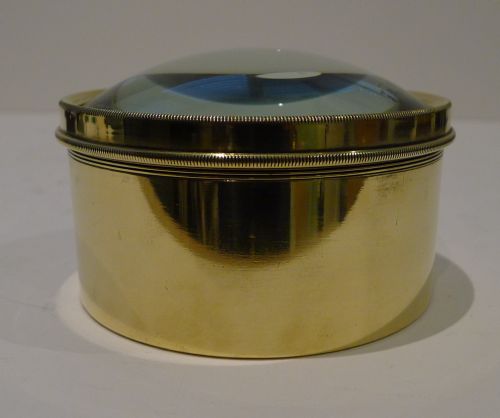


Vintage Glass Magnifier
A vintage glass magnifier brings clarity and focus to a desk, offering practical utility alongside tactile pleasure.
Vintage Glass Magnifier
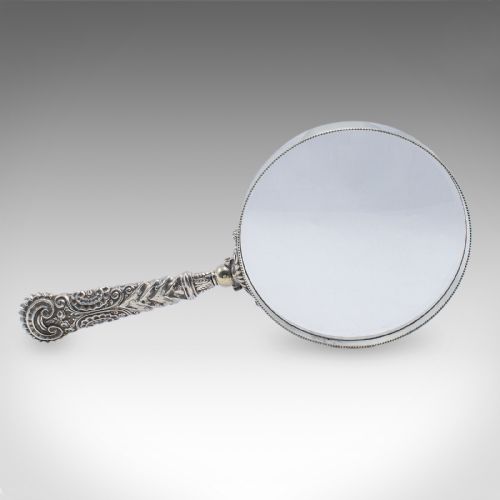
A vintage glass magnifier serves as both an optical tool and a desk accessory, appearing in forms ranging from handheld readers to pivoting desk lenses. These objects span from the Victorian era and the Edwardian period through to the Interwar years and mid-century modern design.
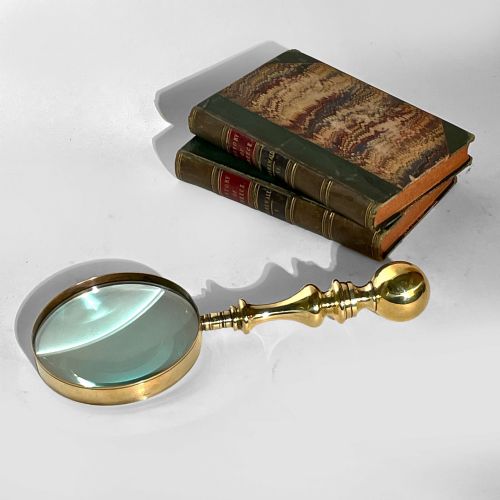
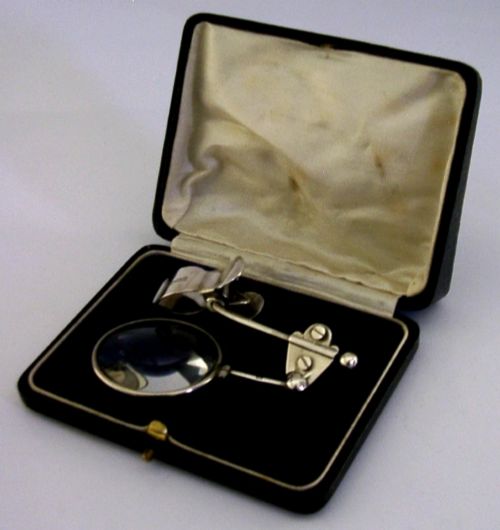
Buyers encounter everything from simple brass library aids to luxurious pieces incorporating sterling silver, shagreen, and guilloche enamel. Handheld readers, desk-top lenses, and specialised linen testers form the core of what surfaces on the market.
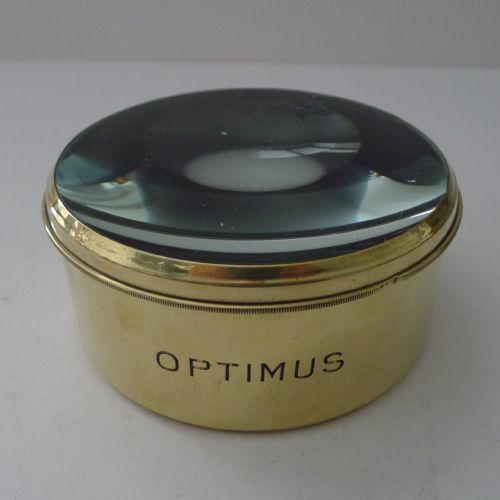
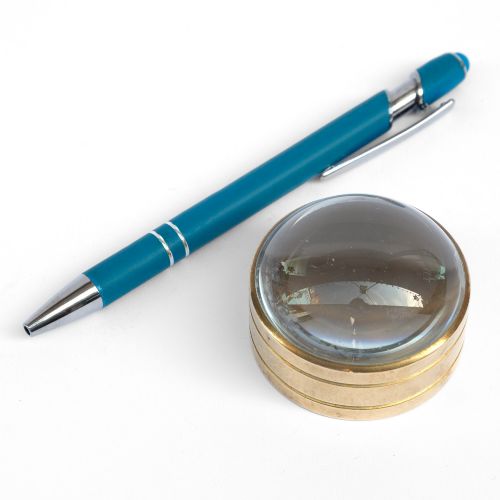
Origins vary from English workshops to French luxury houses, reflecting diverse domestic and professional uses. Some examples double as paperweights, designed to sit permanently upon a study surface.
Materials and construction
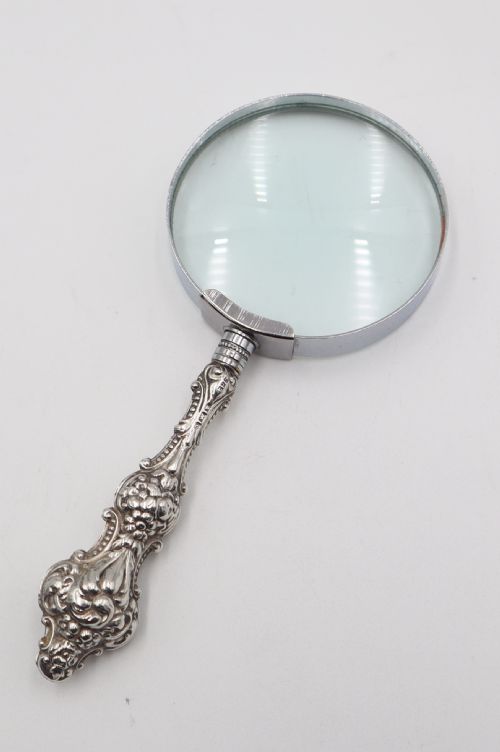
Makers combined optical glass lenses with structural mounts of brass, sterling silver, and silver plate. Handles and frames frequently utilised organic or decorative substances such as shagreen, leatherette, rosewood, jade, and enamel.
Metalwork involved casting, turning, and engraving, particularly evident in hallmarked silver pieces and mechanical folding frames. Lenses were set securely into heavy mounts, occasionally utilising pivoting or adjustable brass arms for stability on a desk.
Vintage Glass Magnifier Retail Price Guide 2026
Typical asking prices for vintage glass magnifier among the pieces listed under this phrase on Sellingantiques today, from the lower quarter to the upper quarter. They describe what is for sale here now, not the wider market.
Desk accessories dominate the selection, ranging from simple Victorian library aids to mid-century equestrian-themed pieces.
Assessing quality
Quality rests in the weight of the metal and the clarity of the glass. Superior examples feature substantial sterling silver or heavy cast brass paired with distortion-free lenses that provide an even field of view.
The sophistication of secondary materials and mechanism design sets finer pieces apart. Precision in folding joints, securely fitted shagreen panels, and crisp hallmarks indicate higher standards of manufacture.
Hermes Paris·Casartelli Manchester·Broadway And Co·Mappin And Webb·Asprey·CW Dixey London
The Vintage Glass Magnifier Glossary
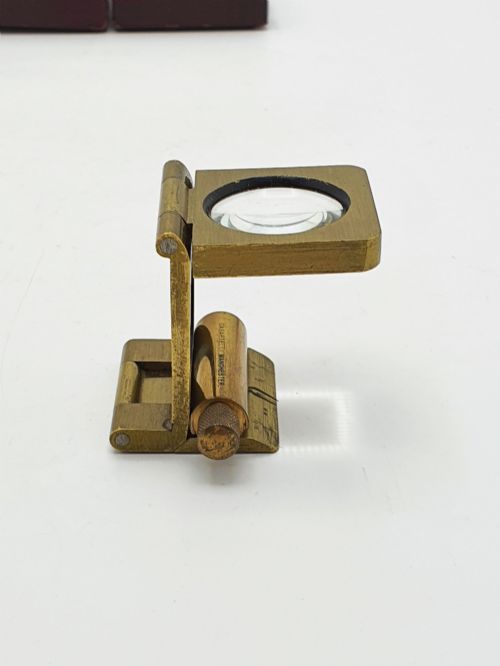
- Linen tester
- A small folding loupe originally used in the textile industry to count threads within a measured square inch. These frequently include a built-in measuring scale at the base.
- Guilloche
- A decorative mechanical technique whereby intricate geometric patterns are engraved into metal beneath a translucent layer of enamel. This finish often appears on twentieth-century vanity and desk items.
- Shagreen
- Prepared sharkskin or rayskin dyed and textured for decorative effect on small objects and handles. It provides a tactile, granular surface favoured by luxury makers during the Art Deco period.
- Bullseye lens
- A thick, rounded glass lens designed to concentrate light or magnify a specific area. These often sit within heavy metal stands upon library desks.
- Hallmark
- A series of official marks stamped onto precious metals indicating the standard of purity, the assay office, and the date letter. English silver pieces commonly display these stamps near the rim or handle.
Vintage Glass Magnifier: Frequently Asked Questions
How do I clean a vintage glass magnifier?
Use a soft microfiber cloth with mild soapy water for the glass lens, taking care to keep moisture away from delicate handle materials like leather or shagreen.
Dry metal mounts thoroughly with a lint-free cloth to prevent tarnishing or spotting on silver and brass components.
Can I still use these for reading?
Many vintage magnifiers remain entirely functional for everyday reading tasks, offering clear magnification for fine print and detailed work.
Desk stands and handheld lenses are optically sound, though older glass may occasionally show minor manufacturing bubbles or slight distortion at the edges.
What is a linen tester used for?
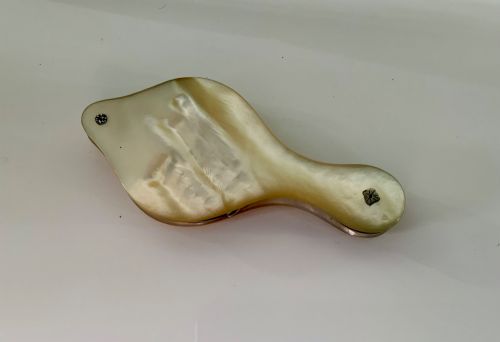
A linen tester is a specialised folding magnifier designed to inspect fabric weaves and count threads within a specific linear measurement.
They feature a small metal frame that collapses flat and an integrated scale at the bottom aperture.
How do I date an antique magnifying glass?
Silver pieces often carry hallmarks that reveal the exact assay year and city through stamped date letters and maker marks.
Style indicators, such as Edwardian filigree or Art Deco geometric enamel, help narrow down pieces lacking official stamps.