


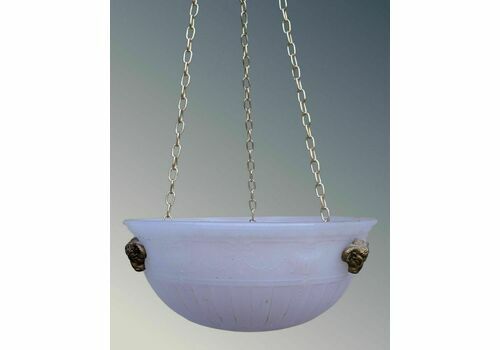


Vintage Glass Flycatcher Light
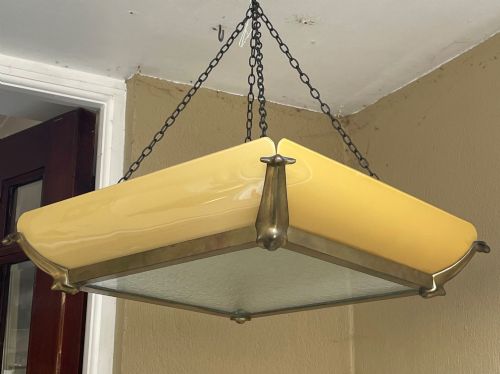
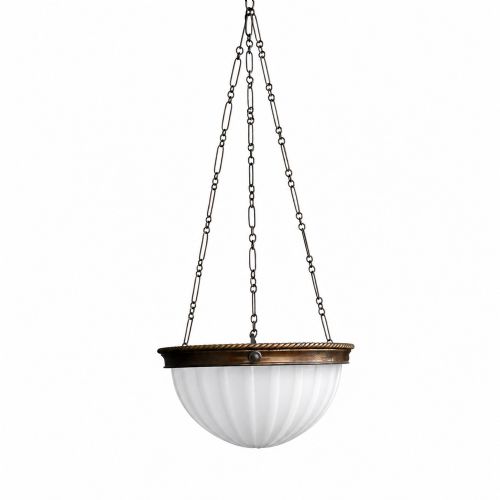
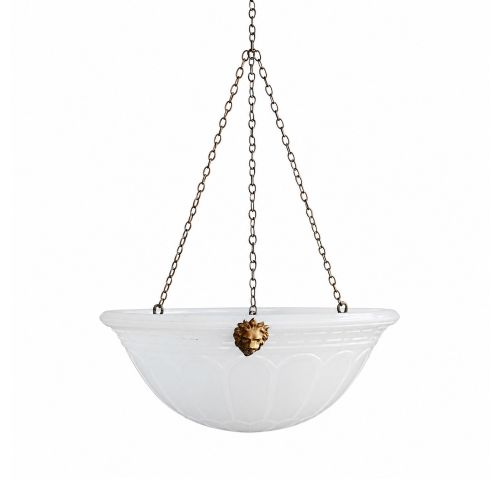
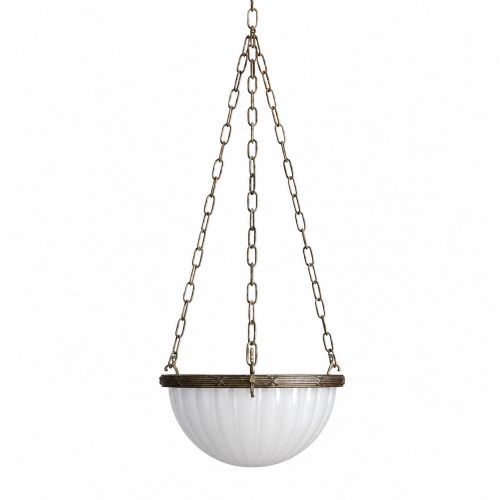
A vintage glass flycatcher light casts a warm, diffused glow from beneath an upturned shade, bringing period character to a hallway or reception room.
Vintage Glass Flycatcher Light
A vintage glass flycatcher light is an upturned pendant fitting designed to hang close to the ceiling and direct illumination upwards. When you search for a vintage glass flycatcher light, you encounter forms that span from the Edwardian era through to the 1930s. The selection on this page relies primarily on 1920 examples alongside 1930 variants and 19th-century pieces.
The aesthetic vocabulary encompasses Art Deco geometry, Arts and Crafts simplicity, Edwardian restraint and Neoclassical detail. Ceiling lights and pendant bowl lampshades dominate the offerings, occasionally appearing as matched suites or paired fixtures. These ceiling lights serve as the principal decorative illumination for rooms with moderate ceiling heights.
How they were made
The construction pairs moulded or pressed glass shades with metal suspension hardware. Shades appear in moonstone glass, opalescent glass, frosted glass, pink glass, opaline glass and plain glass, alongside cut or enamelled variants.
Mountings utilise brass, patinated brass, bronze and chrome to secure the glass bowls. These metal elements include suspension chains, galleries and decorative fittings such as rams head motifs.
The name survives because open upturned shades served as literal insect traps in Victorian and Edwardian country houses.
What varies in quality
Quality rests upon the depth of moulding in the glass and the weight of the supporting metalwork. Heavier cast bronze or brass mountings and substantial glass bowls indicate superior domestic production.
The sophistication of the glass treatment differentiates standard fixtures from exceptional ones. Subtle opalescence, deep frosting or deliberate moonstone effects elevate the visual impact when illuminated.
The Vintage Glass Flycatcher Light Glossary
- Flycatcher light
- An upturned pendant ceiling light featuring a bowl-shaped glass shade suspended by chains or rods. The design traps insects in the open upper bowl, which originated the informal trade name.
- Moonstone glass
- A translucent, milky white glass that diffuses light softly without harsh glares. It creates an even, luminous glow across the entire surface of the shade.
- Opalescent glass
- Glass containing ingredients that cause it to display milky blue tones in reflected light and warm amber tones in transmitted light. This dual colour effect defines many Art Deco pieces.
- Plafonnier
- A shallow ceiling-mounted light fixture that sits close to or directly against the plasterwork. The term typically describes bowls or dishes held by visible metal rims or clips.
- Clam shell
- A fluted or scalloped glass shade form resembling an open shell. This motif appears frequently in Art Deco chandeliers and multi-lamp suites.
Vintage Glass Flycatcher Light: Frequently Asked Questions
How do I hang a flycatcher light?
These fixtures suspend from the ceiling using chains, rods or cord grips attached to a central rose. They require secure anchoring to ceiling joists due to the combined weight of the glass bowl and metal hardware.
Electrical suspension cables run alongside or through the central hanging mechanism to connect the internal lamp holder. Professional installation ensures the weight distributes evenly across the supporting metal chains.
Where should I place these lights?
Pendant bowl lights suit hallways, landings and smaller reception rooms where direct glare proves undesirable. Their upward-facing shades bounce illumination off the ceiling for a soft, ambient room glow.
Ceiling heights dictate the drop length of the chains. Rooms with lower ceilings benefit from flush or semi-flush ceiling fittings that keep the glass safely overhead.
How do I identify the period?
Stylistic cues and glass types reveal the era of manufacture. Art Deco pieces from the 1920s and 1930s utilise geometric forms, opalescent glass and clam shell bowls, whereas Edwardian and 19th-century examples favour cut glass, enamelling and neoclassical motifs.
Metal components offer further chronological clues. Patinated brass and heavy bronze suggest earlier 19th-century or Edwardian work, while chrome and stylised brass fittings point firmly to the 1930s.
How do I clean the glass bowl?
Remove the glass shade from its metal suspension hardware before cleaning to prevent accidental drops or strain on the fixings. Warm soapy water and a soft cloth clear away dust from frosted or moonstone surfaces.
Avoid harsh abrasives on opalescent or enamelled finishes to preserve the delicate surface treatments. Dry the glass thoroughly before reattaching it to the brass or bronze galleries.