





Vintage Glass Dram Glass
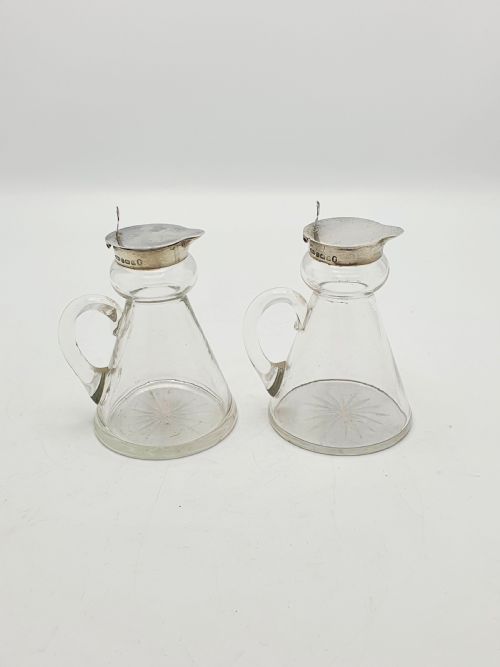
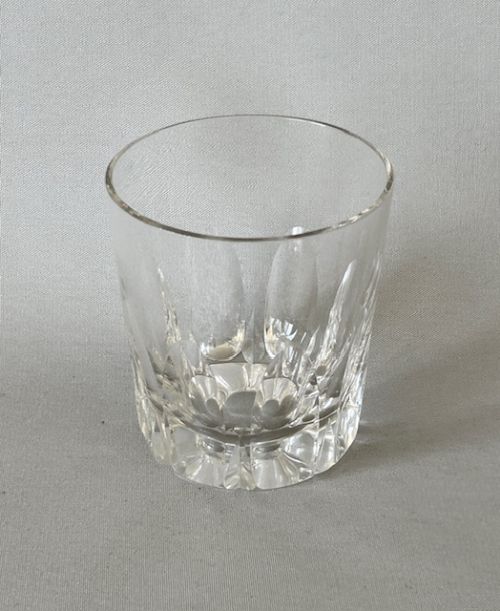
These vintage glass dram glass items are small drinking vessels and spirit flasks designed for spirits, combining period character with practical barware.
Vintage Glass Dram Glass
When you search for a vintage glass dram glass, you are looking at small vessels designed for serving spirits, ranging from compact whiskey noggins to cut glass tumblers and small measures. These pieces appear across several periods, including Georgian, Victorian, Edwardian, and Art Deco eras, reflecting shifting domestic habits in spirit consumption.
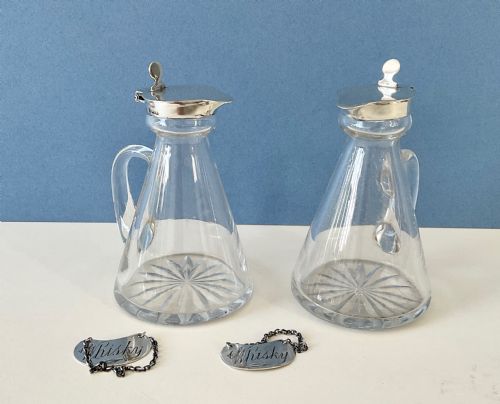
The versions most commonly met on this page include sterling silver mounted whiskey noggins and cut glass dram glasses. Forms extend from pairs of Anglo-Irish cut glasses to etched gin glasses and double-ended glass dram measures.
Origins and materials span lead glass, lead crystal, and hand-blown glass, frequently paired with sterling silver mounts and labels. These items serve as functional barware as well as decorative examples of historic glassware.
How they were made
Makers utilised hand-blowing techniques alongside lead glass and crystal production to form the bodies of these vessels. Glass is shaped while molten, then annealed to relieve internal stresses before any surface decoration begins.
Cut glass and etched pieces show the application of wheel-cutting and engraving methods to create surface patterns. Metalworkers then added sterling silver mounts, collars, and caps to finish the spirit noggins and flasks.
Vintage Glass Dram Glass Retail Price Guide 2026
Typical asking prices for vintage glass dram glass among the pieces listed under this phrase on Sellingantiques today, from the lower quarter to the upper quarter. They describe what is for sale here now, not the wider market.
Materials recorded across the inventory include sterling silver, clear glass, cut glass, and lead crystal.
What varies in quality
The clarity of the material and the crispness of the cutting distinguish finer examples from standard items. Sharp, deep facet cutting on lead crystal reflects light more brilliantly than softer moulded decoration.
The weight and balance of the vessel, alongside the quality of any sterling silver mounts and hallmarks, mark the distinction between everyday utility pieces and higher-grade craftsmanship.
Hukin & Heath
The Vintage Glass Dram Glass Glossary
- Dram glass
- A small drinking vessel designed for a single measure of spirits such as whisky or gin. These small glasses often feature heavy bases and cut decoration.
- Whiskey noggin
- A small decanter or pitcher used for serving whisky, typically fitted with a silver mount, handle, and sometimes an attached silver label. They frequently accompany a dram glass.
- Lead crystal
- Glass containing a significant proportion of lead oxide, which increases weight, clarity, and refractive index. This material allows for deep, sharp wheel-cutting.
- Anglo-Irish cut glass
- Glass produced in Ireland and Britain during the Georgian period, noted for heavy lead content and deep geometric cutting. Pieces often display a characteristic greyish hue and substantial weight.
Vintage Glass Dram Glass: Frequently Asked Questions
What is a whiskey noggin?
A whiskey noggin is a small, handled decanter or jug designed to hold a personal measure of spirit. They usually feature a silver collar and are often accompanied by a small label.
These pieces were typically used at the dining table or sideboard, allowing drinkers to pour a dram into a small glass without fetching a larger decanter.
How do I date an old dram glass?
Dating relies on examining the manufacturing technique, material composition, and any associated silver hallmarks. Pontil marks on the base, the style of cutting, and the weight of the lead glass provide key clues.
Silver mounts bearing assay office marks and date letters offer the most precise chronological indicators for mounted pieces.
Can I use these glasses for daily drinks?
Many of these pieces remain robust enough for regular use, particularly sturdy Victorian tumblers and heavy cut glass vessels. Hand washing is recommended to protect older glass and delicate silver mounts.
Collectors often balance practical enjoyment with careful handling, avoiding extreme temperature changes that can stress antique glass.
What makes Georgian glass different?
Georgian glass often contains high levels of lead, giving the metal a distinctive heft and bright refractive quality. The cutting styles from this era tend to feature bold, broad facets rather than intricate modern patterns.
Manufacturing methods of the period also leave visible traces, such as pontil scars on the underside where the piece was snapped off the blowpipe.