
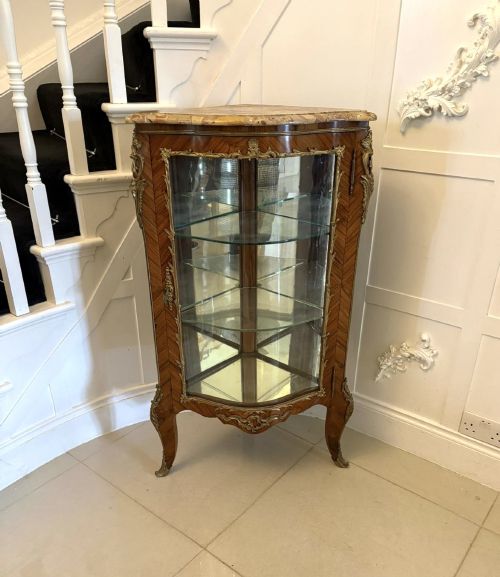
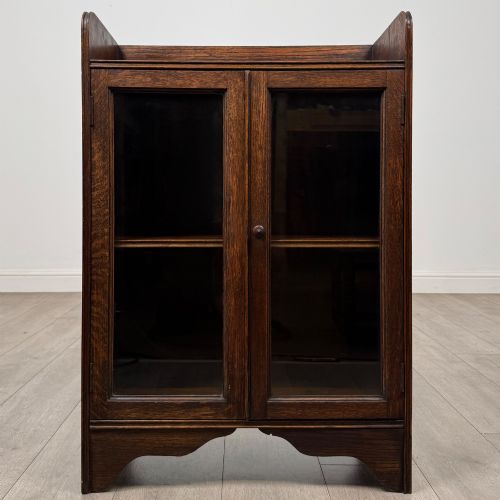
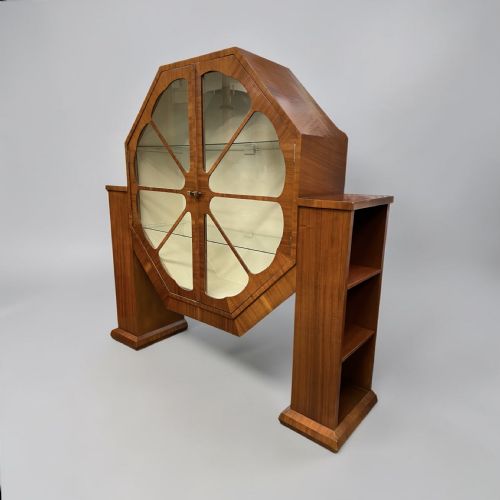
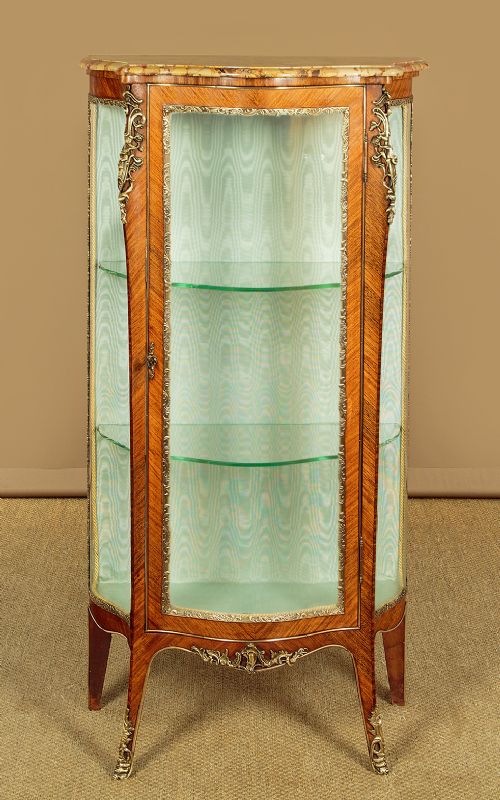

Vintage Glass Display Vitrine
These vintage glass display vitrine pieces turn your collected objects into a proper interior feature while keeping dust off delicate porcelain.
Vintage Glass Display Vitrine
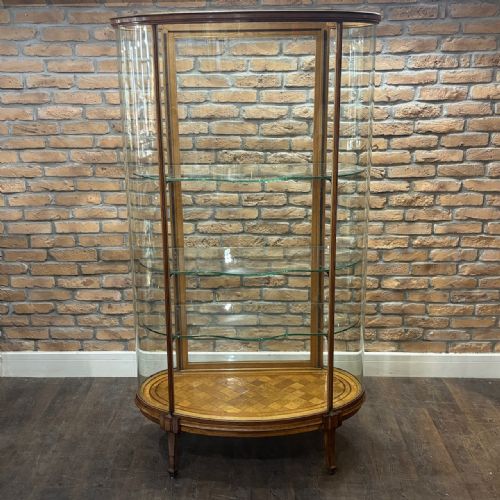
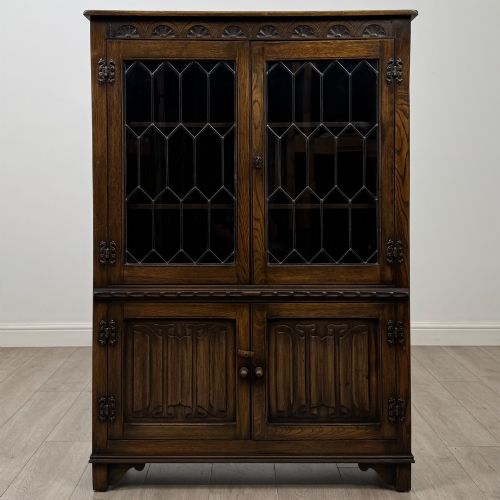
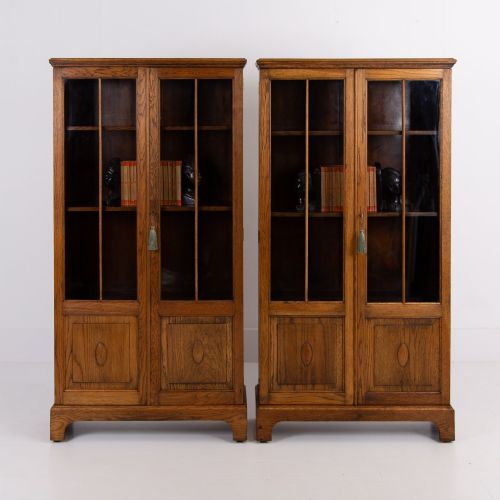
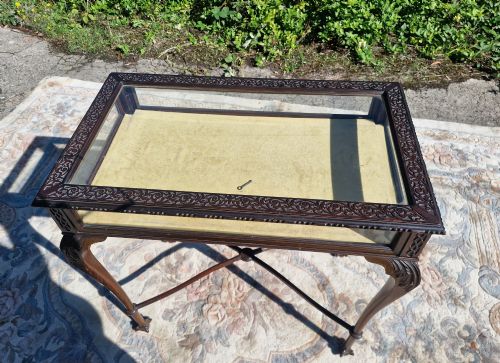
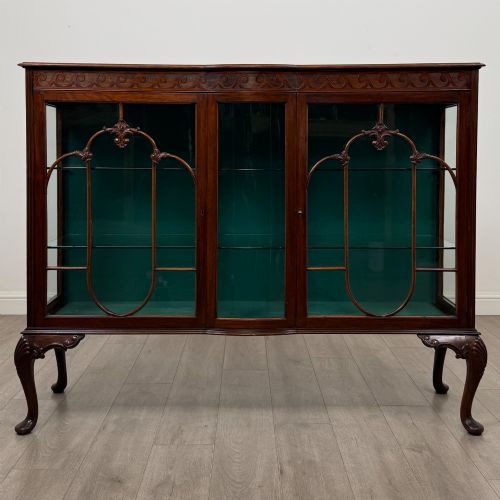
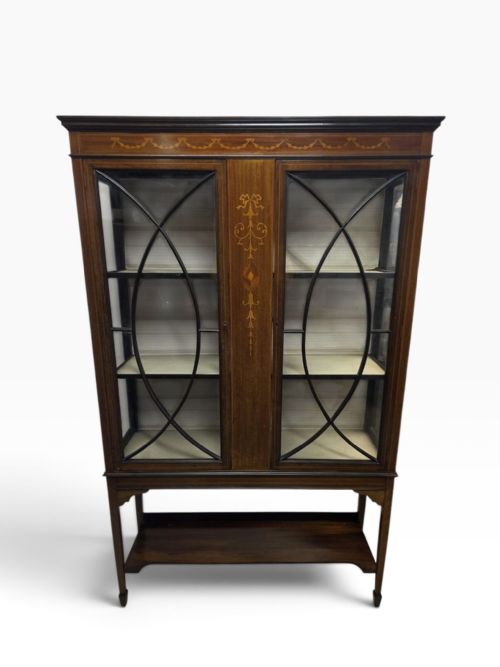
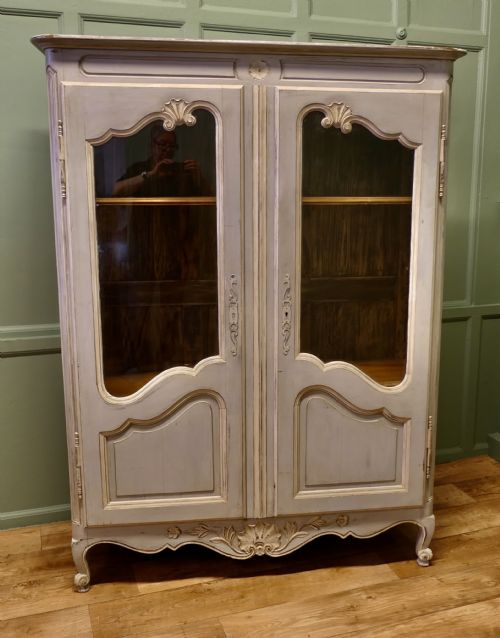
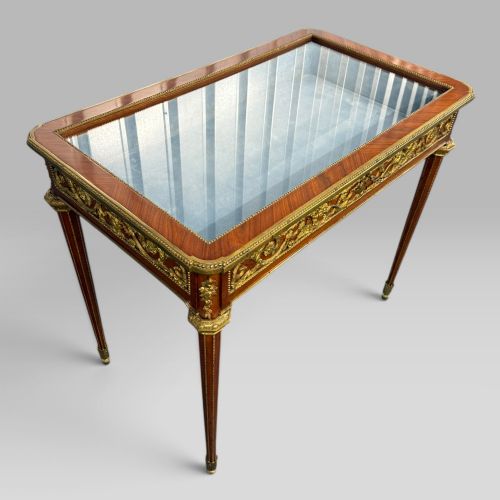
A vintage glass display vitrine serves to exhibit precious small items, books, and curiosities behind protective glazing. When you search for this phrase, you meet tall freestanding cabinets, slender countertop models, and waist-high bijouterie tables with glass tops.
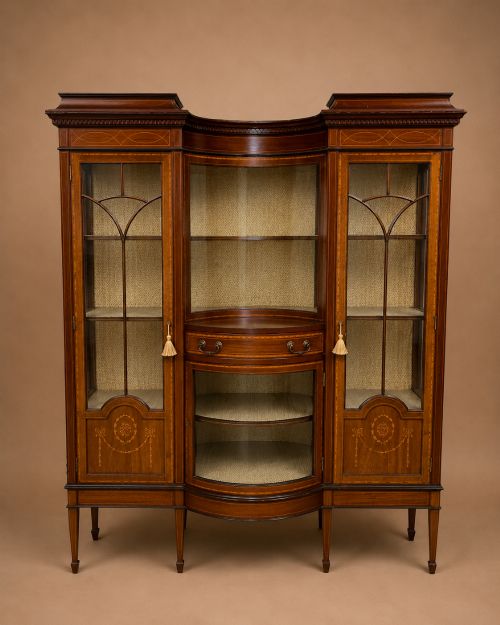
The selections span the nineteenth century through the mid twentieth century, drawing heavily on Edwardian and Art Deco aesthetics. Mahogany, oak, and walnut dominate the construction, often enhanced by satinwood inlay or gilt metal mounts.
Makers such as Maple and Company and F. Sage and Company contributed substantial workshop output, ranging from domestic drawing room cabinets to commercial shop fittings. You encounter pieces that lean towards Sheraton Revival delicacy or heavier Louis styles depending on the decade.
Materials and Cabinetmaking Methods
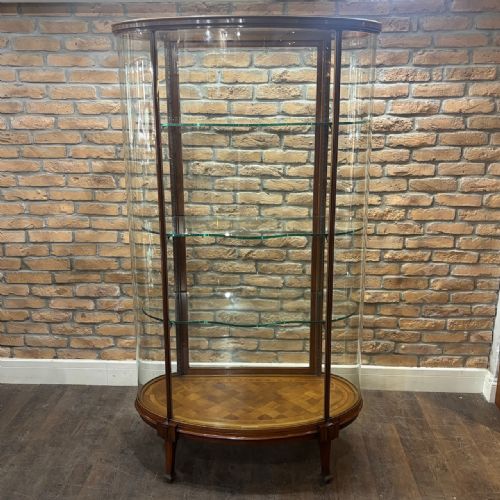
Cabinetmakers utilised timber frames in mahogany, oak, and walnut, frequently selecting figured veneers or adding satinwood inlay to enrich the visible surfaces. Glass panes were fitted into timber doors or bent to form curved oval and circular display enclosures.
Metal components played a structural and decorative role, with brass hardware, ormolu mounts, and gilt metal details securing the joints and framing the glass. Interior elements often included fabric linings, mirror backs, and adjustable glass shelves to reflect light through the stored objects.
Early shop display cabinets occasionally retain faint traces of nineteenth-century trade dust tucked deep inside their mortise joints.
Distinctions in Quality and Construction
Superior examples reveal themselves through the selection of timber, such as highly figured burr walnut or finely matched mahogany veneers. The crispness of the carving, the precision of the marquetry inlay, and the integration of cast bronze or ormolu mounts distinguish standard workshop production from exceptional cabinet work.
Interior detailing also separates grades, with lined velvet backgrounds, bevelled glass panes, and adjustable shelving showing greater ambition. Maker attribution to established firms like Maple and Company often corresponds with heavier timber gauges and more resolved proportions.
F. Sage and Company·Maple and Company·François Linke
The Vintage Glass Display Vitrine Glossary
- Vitrine
- A glass cabinet or display case designed specifically for showing porcelain, curiosities, or small works of art. The term derives from the French word for glass.
- Bijouterie table
- A low display table with a glazed top and sides, created to exhibit jewellery, medals, and small trinkets at a comfortable viewing height.
- Marquetry
- Decorative woodwork where thin pieces of coloured veneer are fitted together to form pictorial or geometric patterns on furniture surfaces.
- Ormolu
- Gilt bronze ornamentation applied to furniture mounts, hinges, and feet, popular in French-inspired cabinet design.
- Satinwood inlay
- Contrasting blonde timber inserted into darker primary wood surfaces to create linear borders and neoclassical decorative motifs.
Vintage Glass Display Vitrine: Frequently Asked Questions
What fits inside a bijouterie table?
A bijouterie table suits flat collections, including pocket watches, medals, ribbons, and small silver trinkets. The shallow glazed compartment keeps these items visible while protecting them from handling.
Deeper cabinets accommodate porcelain figures, glassware, and small books on adjustable shelves. The enclosed glass design prevents dust accumulation on delicate surfaces.
How do I light a dark vitrine?
Many period vitrines feature mirror backs intended to bounce natural room light through the displayed objects. Placing the cabinet near a window maximises this internal reflection.
Modern battery-operated LED strip lights or small puck lights can be concealed behind the upper timber frame if extra illumination is required for deeper shelves.
Are shop display cabinets suitable for homes?
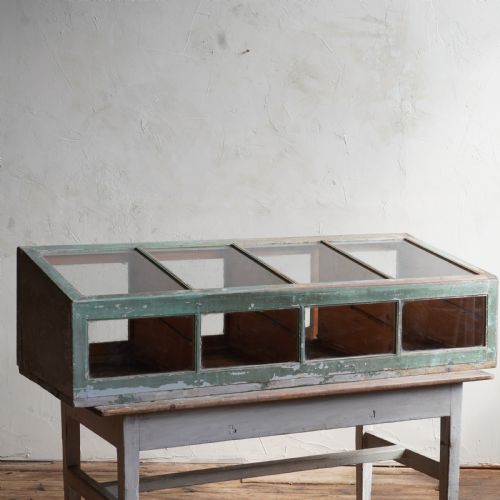
Countertop and freestanding shop display cases built by firms like F. Sage and Company translate well into domestic spaces. Their utilitarian glass construction provides uninterrupted visibility for collections.
These commercial pieces bring an industrial or apothecary character to a modern interior while offering robust timber framing and adjustable shelving.
How do I distinguish Edwardian from Art Deco vitrines?
Edwardian cabinets lean on historical revivals, featuring satinwood inlay, curved ribbon mahogany, and delicate glazing bars reminiscent of Sheraton or Louis styles. They often include mirror backs and intricate carved mouldings.
Art Deco examples discard historical ornament in favour of geometric silhouettes, circular or oval forms, and bold figured walnut veneers with minimal distraction.