


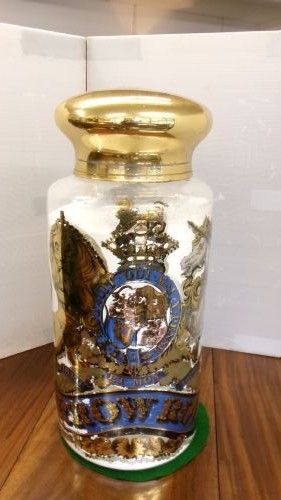
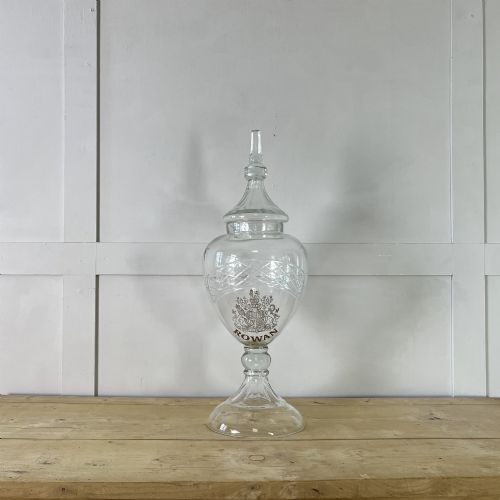


Vintage Glass Display Jar
These vintage glass display jar pieces bring period character to interiors, combining practical storage with classic nineteenth and early twentieth century craftsmanship.
Vintage Glass Display Jar
A vintage glass display jar groups together functional apothecary vessels, chemist bottles, carboys, and protective display domes with wooden bases. These items originate predominantly from the Victorian and Edwardian eras, spanning the nineteenth and early twentieth centuries.
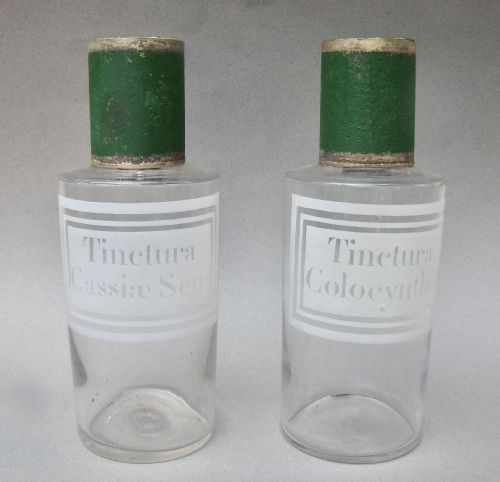
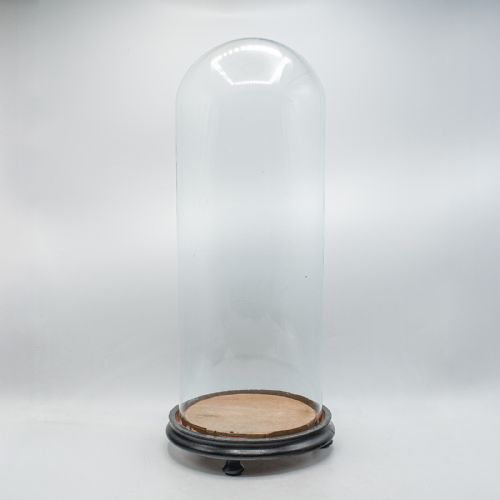
Buyers encounter clear glass display domes designed for taxidermy and botanical specimens alongside labelled apothecary jars and tall chemist carboys. French and English examples appear frequently, incorporating etched decoration and ceramic or glass covers.
The selection ranges from large floor-standing carboys to small collector domes housed on ebonised wood, beech, pine, or oak bases. Decorative objects such as white glass vases depicting cherubs and glass cloches also feature within this grouping.
What varies in quality
The clarity and thickness of the blown glass define the baseline quality, where heavier, distortion-free walls denote superior manufacturing skill. Hand-etched details on apothecary jars show varying degrees of depth and line precision.
The construction of the wooden base dictates overall craftsmanship, with tight corner joints and well-finished timbers like oak or beech outperforming basic pine framing. Original fitted elements, such as matching glass stoppers and intact velvet or fabric linings, elevate the integrity of the piece.
Vintage Glass Display Jar Retail Price Guide 2026
Typical asking prices for vintage glass display jar among the pieces listed under this phrase on Sellingantiques today, from the lower quarter to the upper quarter. They describe what is for sale here now, not the wider market.
The Vintage Glass Display Jar Glossary
- Carboy
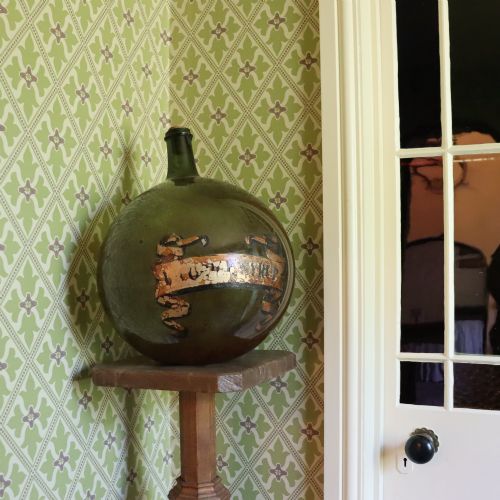
- A large, bulbous glass vessel traditionally used in laboratories and apothecary shops for holding liquids. These heavy containers often feature substantial blown-glass bodies and narrow necks.
- Cloche
- A bell-shaped glass cover used historically for protecting delicate plants or food displays. They sit directly on surfaces without a fitted wooden base.
- Display Dome
- A blown-glass cover mounted onto a wooden base, historically utilised to protect taxidermy, clocks, and botanical specimens from dust. English examples often incorporate ebonised wood, oak, or pine foundations.
- Apothecary Jar
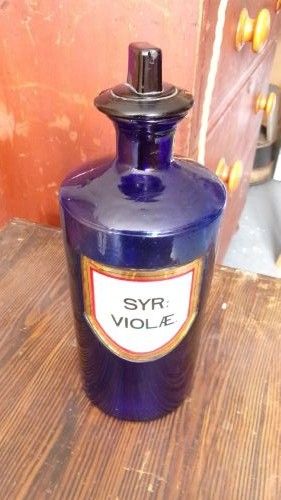
- A cylindrical or pedestal glass vessel fitted with a lid, originally utilised by chemists to store ingredients, dry goods, or medicinal preparations. Many examples bear etched labels indicating their contents.
- Lollipop Stopper
- A flat, circular glass stopper resembling a lollipop, designed to seal chemist bottles and jars securely. These stoppers are ground by hand to match individual bottle necks.
Vintage Glass Display Jar: Frequently Asked Questions
What were apothecary jars used for?
Apothecary jars served as storage containers in chemist shops and dispensaries for holding herbs, chemicals, and medicinal preparations. Their tight-fitting lids protected the contents from moisture and air.
Over time, these vessels transitioned into decorative items appreciated for their period typography, etched labels, and heavy blown-glass forms.
How do I style a display dome?
Display domes protect and showcase three-dimensional objects such as botanical specimens, taxidermy, or small sculptures on a wooden base. Placing them on sideboards or mantelpieces creates a focal point that highlights the contents.
The clear glass cover lifts away from the base, allowing you to curate and change the items displayed underneath according to your preference.
How can I tell Victorian glass from Edwardian glass?
Victorian glass often displays heavier walls, deeper pontil marks, and richer hues such as Bristol blue, alongside ornate Rococo Revival influences. Edwardian pieces tend towards crisper cut glass patterns and lighter display dome constructions.
Examining the underlying timber of the base, such as ebonised wood for Victorian pieces versus oak or beech for Edwardian items, also helps determine the period.
Are apothecary jar lids removable?
Most apothecary jars feature removable glass lids or stoppers that were individually ground to fit the neck of that specific vessel. This ensured a snug closure for storing dry goods and liquids in a pharmacy setting.
Care should be taken when handling these lids, as they are original components made from blown glass.