

Vintage Glass Ceiling Lantern
These vintage glass ceiling lantern choices bring character and period light to a hallway or porch, offering genuine craftsmanship from the Victorian era through to the 1930s.
Vintage Glass Ceiling Lantern
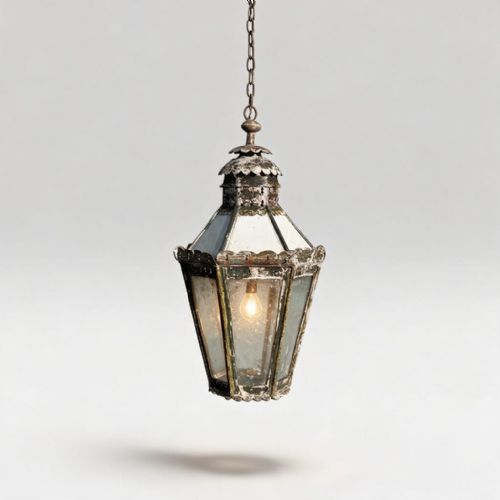
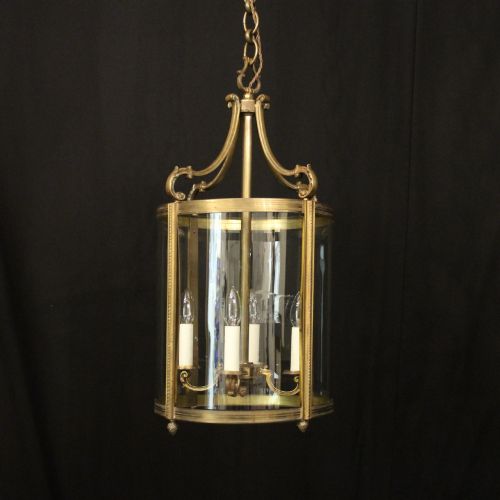
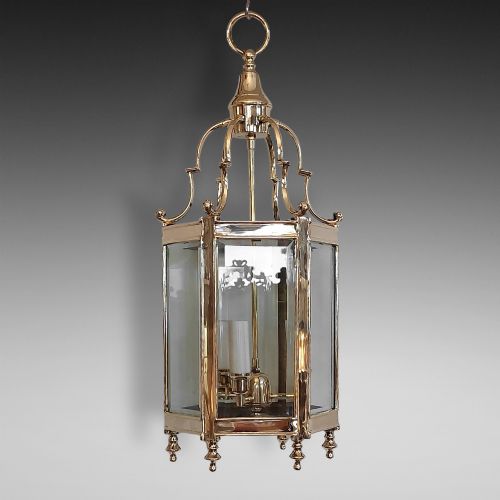
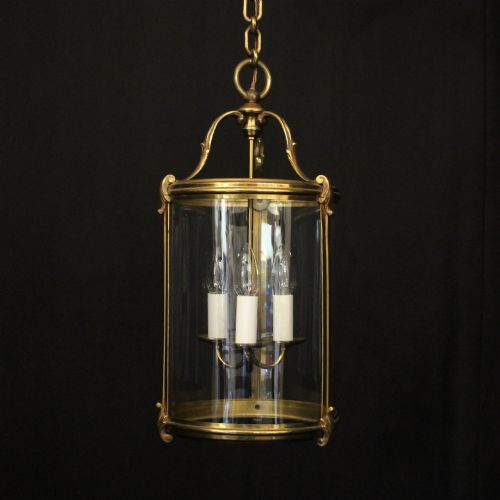
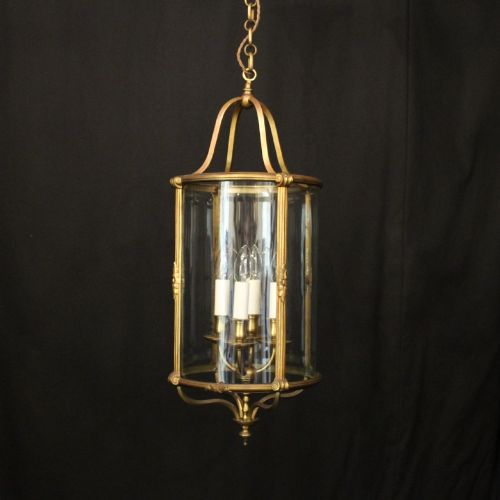
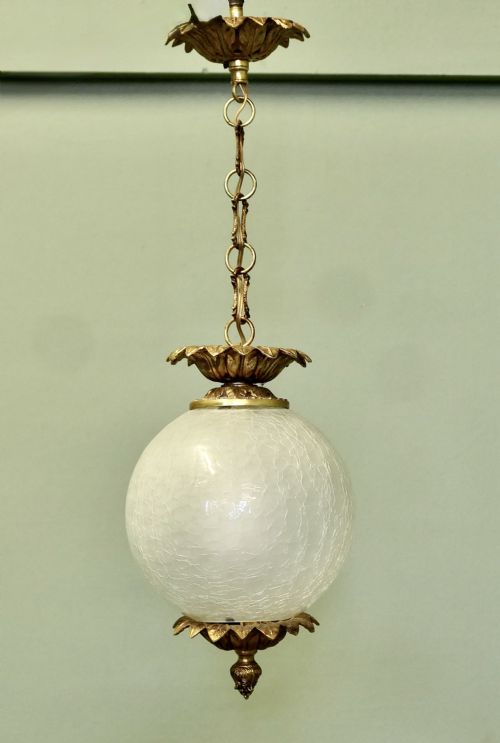
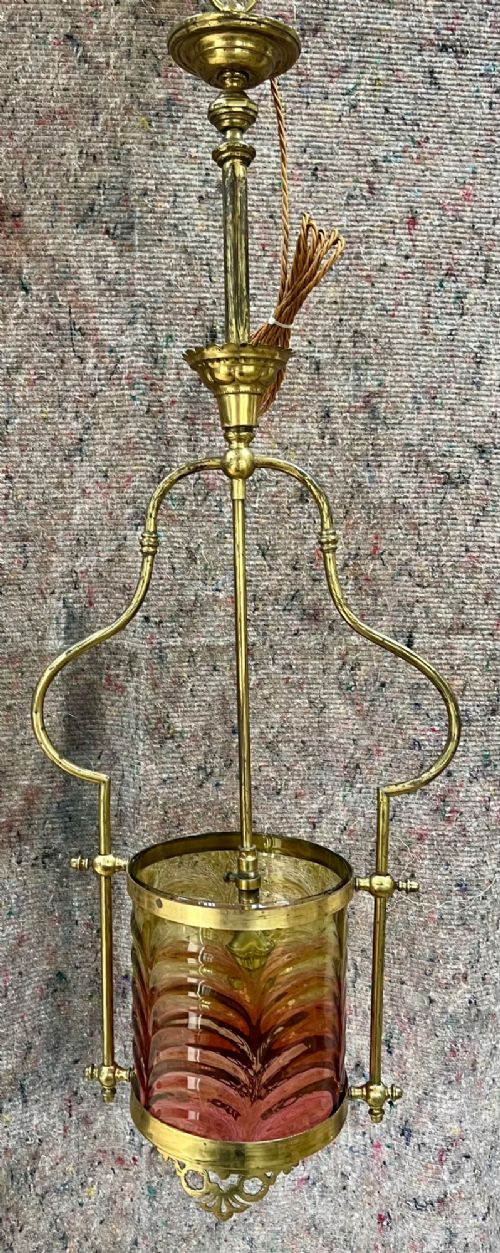
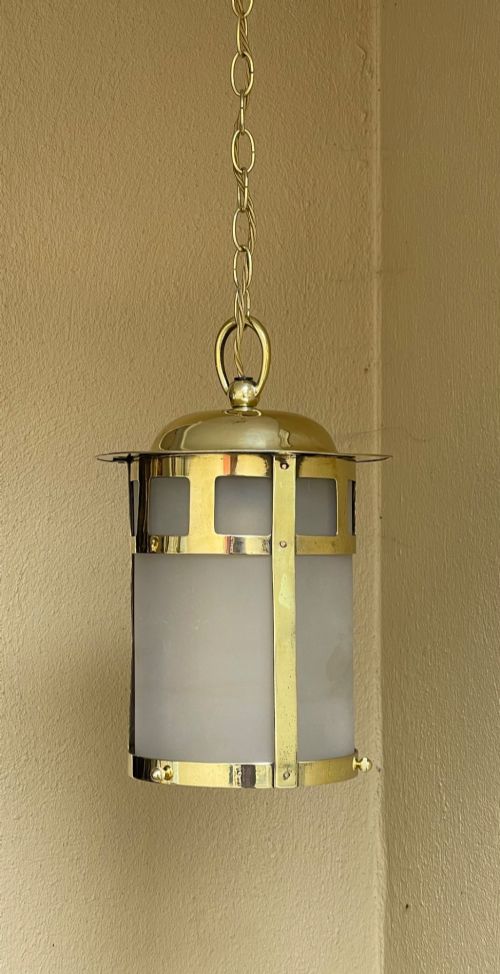
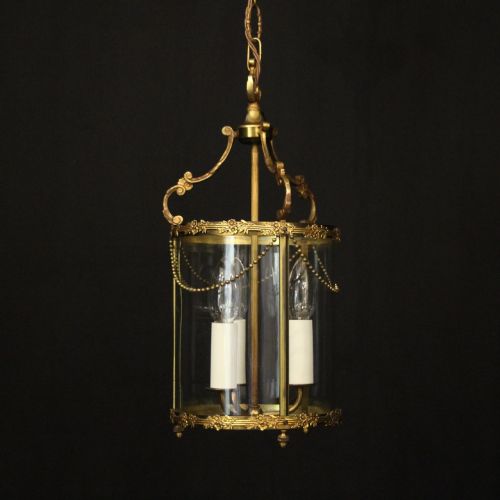
A vintage glass ceiling lantern functions as a primary overhead light source designed to hang closely or suspend by a chain in entrance halls, stairwells, and porches. When you search for vintage glass ceiling lantern, you encounter forms ranging from simple hexagonal frames to monumental French hall lights with multiple bulb fittings.
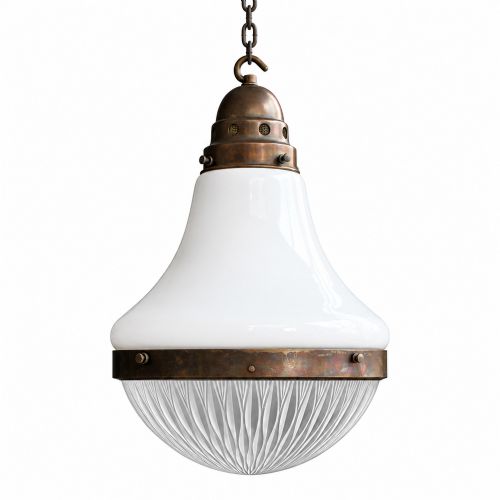
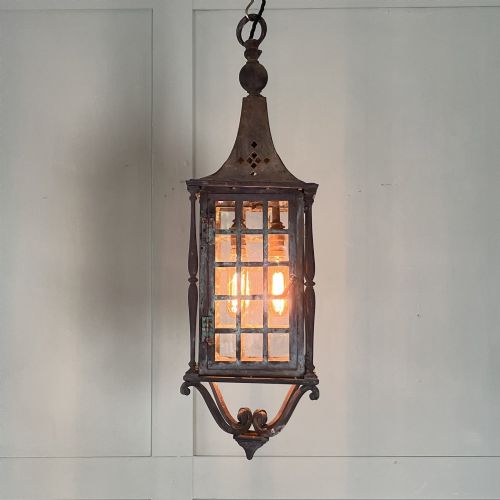
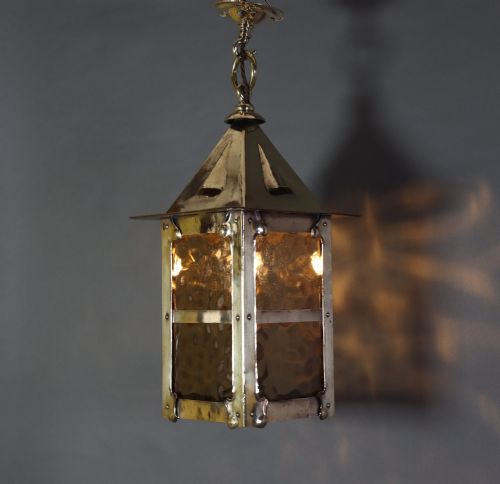
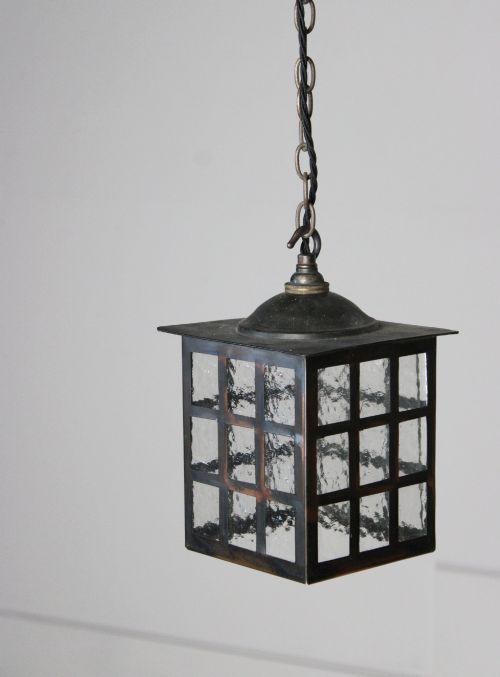
The selections span distinct historical periods, including Victorian, Edwardian, and Art Deco designs alongside Arts and Crafts iterations. French models frequently appear in gilded bronze or brass with convex glass panels, while English examples often utilise copper, leaded glass, or straightforward brass frames.
Materials and construction methods
Metalwork forms the backbone of these pieces, utilising cast or sheet brass, copper, bronze, and gilded brass to create structural cages that secure the glass. Artisans soldered or riveted these metal components together to support heavy panels and resist the daily movement of opening doors.
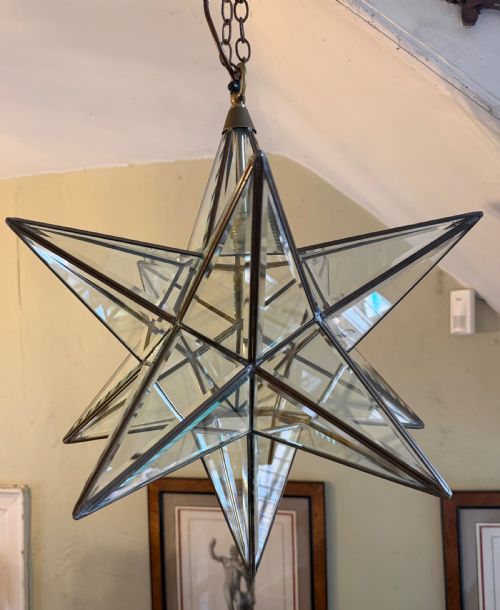
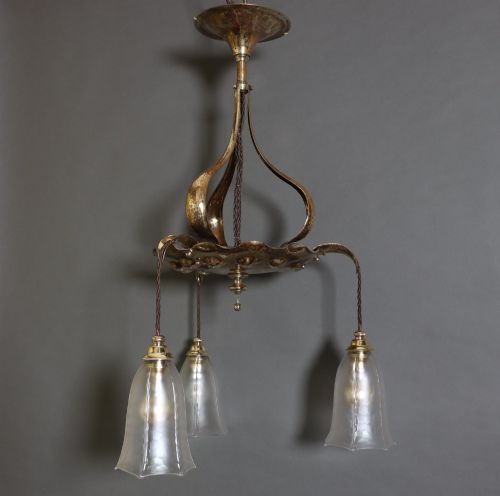
Glass panels take various specialised forms, such as bevelled panes, hand-blown bulls eye glass, etched surfaces, or leaded stained glass. These glass types diffuse light effectively while providing the transparency or subtle obscuration expected in period vestibule lighting.
Differentiating quality levels
The calibre of metal casting and finishing dictates the upper tier of these pieces, where heavy-gauge bronze, deep gilding, and finely chased details replace thinner stamped brass. Superior examples exhibit substantial weight and precise alignment in their opening doors and frame joints.
The intricacy and execution of the glass elements further distinguish finer lanterns, particularly those featuring complex bevels, hand-blown imperfections, or elaborate etched motifs. The integrity of original lead cames and secure glass retention methods separate masterwork fixtures from standard utilitarian lighting.
The Vintage Glass Ceiling Lantern Glossary
- Bevelled Glass
- Glass with edges cut and polished at an angle to refract light and create a decorative border. This technique adds depth and sparkle to simple geometric lantern panels.
- Convex Glass
- Curved glass panels that bulge outward, frequently seen on French hall lanterns to diffuse illumination more broadly across a space.
- Bulls Eye Glass
- Circular panes of blown glass featuring a thick centre point or kick left by the pontil rod. This historic glass method produces charming optical distortions.
- Leaded Glass
- Small pieces of glass joined together by strips of lead cames to form geometric or pictorial patterns. It is common in Arts and Crafts and Gothic Revival designs.
Vintage Glass Ceiling Lantern: Frequently Asked Questions
How do I hang a vintage lantern safely?
Most of these fixtures suspend from a ceiling hook via a chain and matching canopy. Ensure the ceiling joist can bear the combined weight of the metal frame and glass panels.
Rewiring vintage electrical components to meet modern standards is usually necessary. Consult a qualified electrician to integrate period brass fixtures safely into contemporary domestic circuits.
What rooms suit a ceiling lantern best?
Traditional placement includes entrance hallways, vestibules, and porches where overhead illumination establishes an immediate interior character. Their downward projection suits transitional spaces and high-ceilinged stairwells.
Smaller variants also work effectively in cloakrooms or landings. The key is matching the drop of the pendant to the clearance height of the room.
How do I date a brass lantern?
Stylistic indicators such as heavy Victorian casting, Edwardian restraint, or Art Deco geometric lines provide initial chronological markers. Fasteners, wiring remnants, and hinge types also offer clues to the decade of manufacture.
French chateau and neoclassical revivals often share design traits across the late nineteenth and early twentieth centuries. Comparing frame construction methods helps narrow down the production era.
Can I clean the glass panels easily?
Many lanterns feature a small latch-secured door that allows access to the interior bulbs and inner glass surfaces. Use a soft cloth and mild glass cleaner to preserve the patina on surrounding brass or copper.
Avoid harsh chemical abrasives on gilded or patinated metal surfaces. Gentle dusting protects historic finishes while keeping the glass clear.