
Vintage Glass Bottle
These vintage glass bottle selections span decanters, scent bottles, and apothecary jars mounted in silver, crystal, and enamel from the Victorian era onward.
Vintage Glass Bottle
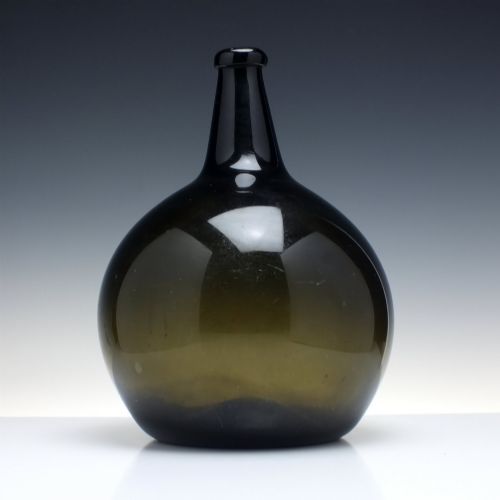
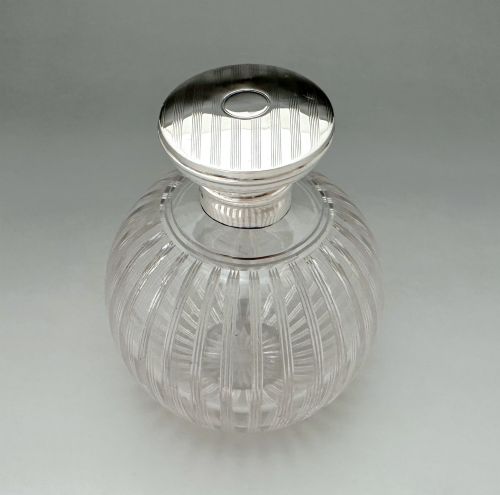
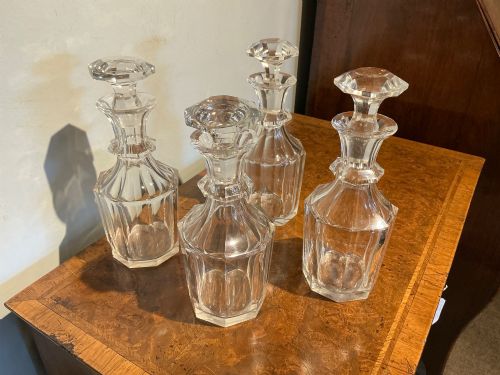
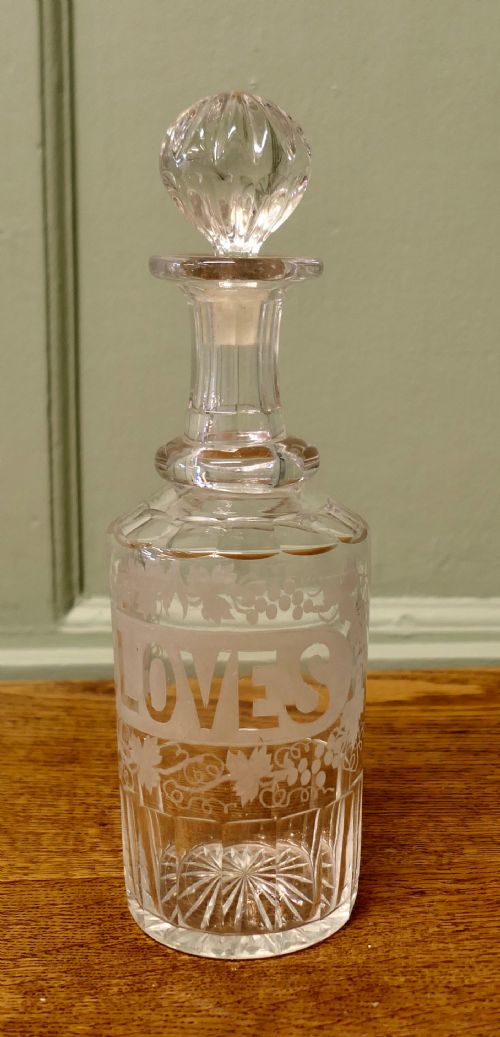
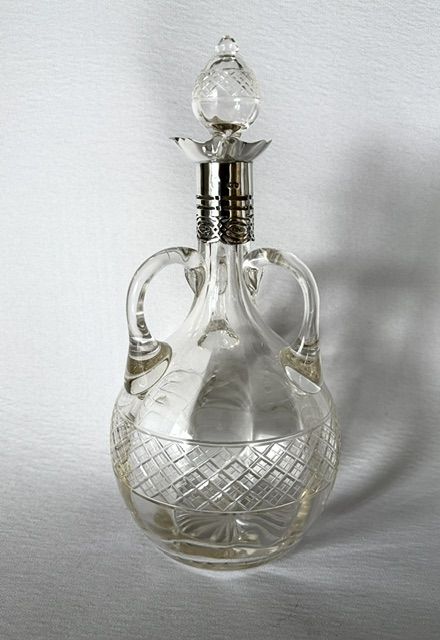
When you search for a vintage glass bottle, you encounter a diverse array of utilitarian and decorative vessels spanning the eighteenth to the mid-twentieth centuries. The selection encompasses weighty wine decanters, pocket scent bottles, and large apothecary jars designed for domestic or commercial use. Victorian and Edwardian examples dominate the offerings, frequently incorporating precious metal mounts and cut crystal bodies.
Beyond standard decanters and perfume flasks, the category includes specialised vessels such as bitters jiggers, cologne bottles, and maritime folk art dioramas housed within glass. Continental and British workshops produced these pieces across periods ranging from Georgian wine bottles to Art Deco geometric perfume atomisers. Each form reflects the functional requirements of its era, whether for dining table service or dressing table display.
What varies in quality
The standard of a vintage glass bottle depends on the precision of the glass cutting, the clarity of the material, and the weight of the vessel. Heavy, deeply faceted crystal decanters represent a higher grade of production than thin, mould-blown alternatives. The presence of matching stoppers and unblemished metal mounts significantly influences the integrity of the piece.
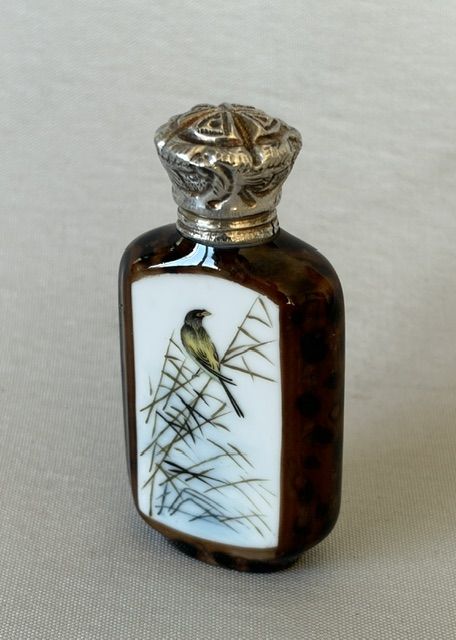
Execution of decorative details marks the division between standard and superior examples. Finely hand-painted enamel panels, crisp silver hallmarks, and complex overlay work indicate skilled workshop production. Conversely, plain or heavily worn mounts and cloudy glass indicate lower original quality or heavy domestic use.
Listings feature glass pieces spanning the nineteenth century through the 1940s, utilising cut glass, crystal, and sterling silver.
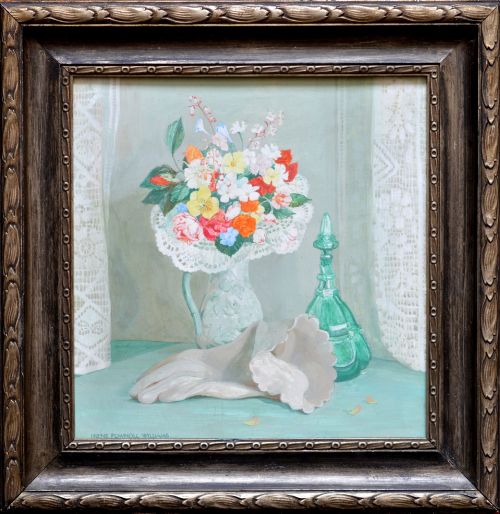
Gorham·Laugharne Glass·Harold Bushell and Co·Karl Palda·Henry Perkins·Rene Lalique·Irene Christobelle Pownoll Williams
The Vintage Glass Bottle Glossary
- Decanter
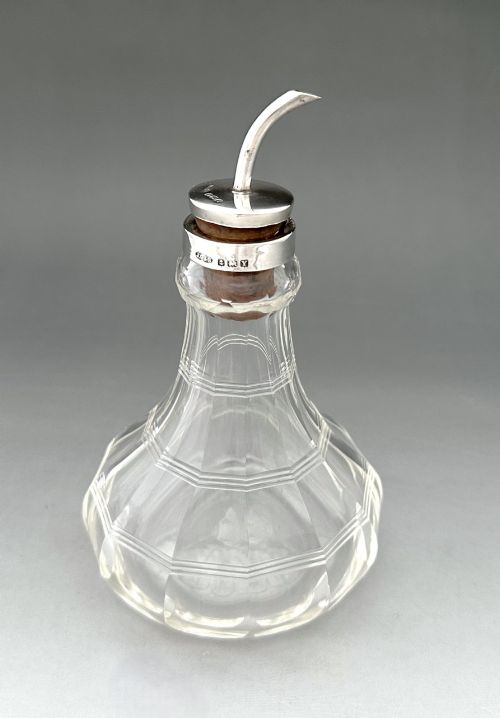
- A vessel used for holding and serving wine or spirits, typically fitted with a stopper. These range from nineteenth-century cut crystal forms to mid-century barware.
- Scent Bottle
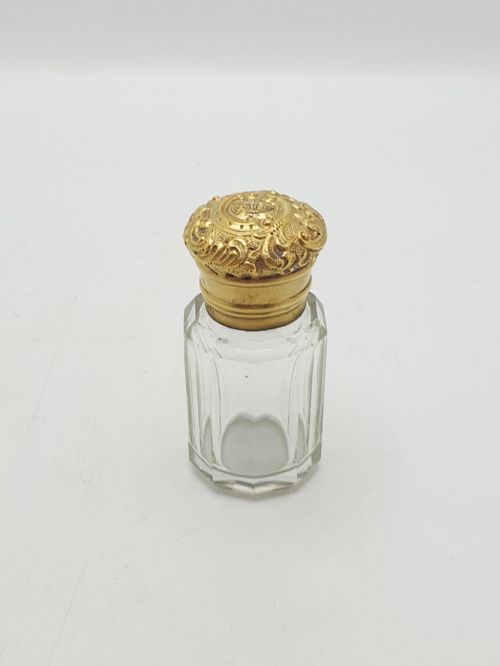
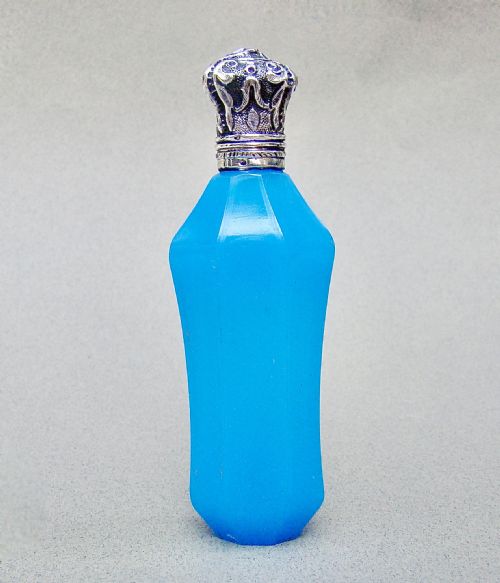
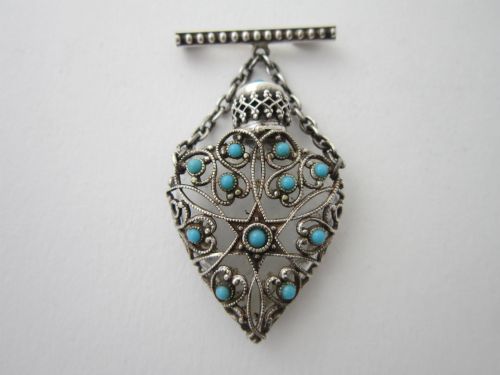
- A small container designed to hold perfume or smelling salts, often fitted with a silver or enamel cap. They frequently appear with intricate glass bodies like opaline or cranberry glass.
- Apothecary Jar
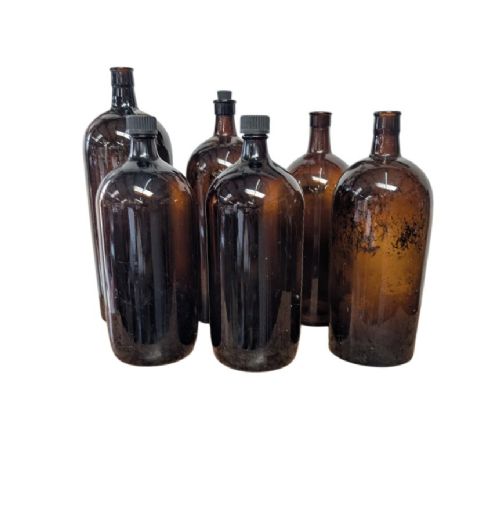
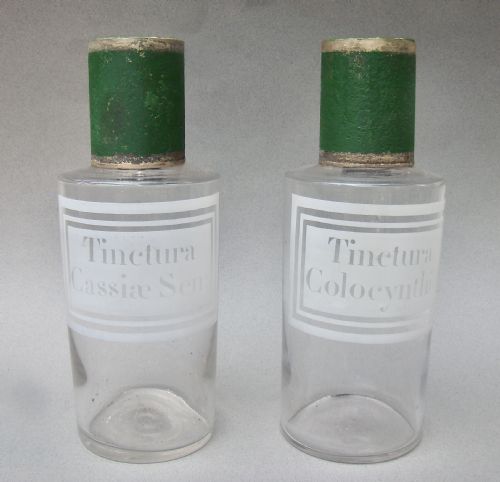
- A large glass container formerly used by chemists to store medicines or ingredients. Examples from the nineteenth century often feature etched labels and ground glass stoppers.
- Silver Overlay
- A decorative technique where molten silver is applied to the surface of a glass vessel in abstract or floral patterns. This method was popular during the Art Nouveau period.
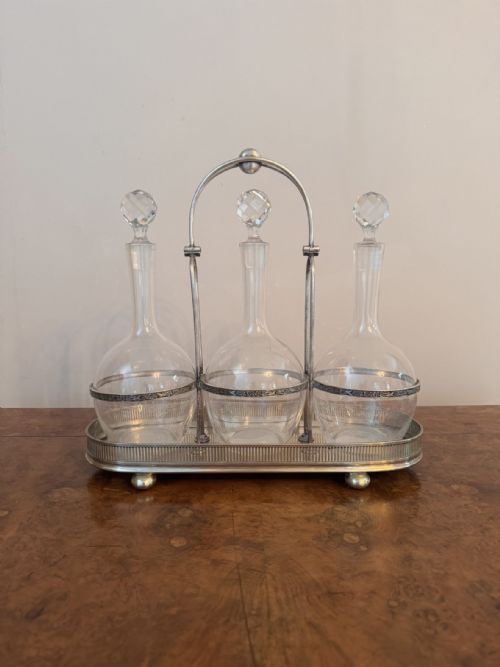
- Tantalus
- A locked wooden frame designed to hold decanters securely while preventing access to the contents without a key. They commonly house cut crystal decanters with silver hardware.
Vintage Glass Bottle: Frequently Asked Questions
Are stoppers usually original to the bottle?
Many decanters and scent bottles retain their matching original stoppers, which fit snugly and share identical cut patterns or numbering. Replacements often fit loosely or show minor variations in glass tone and wear.
Examining the ground glass ground joints reveals whether the stopper was made for that specific neck. Consistent age wear across both components suggests they belong together.
What indicates a Victorian scent bottle?
Victorian examples frequently feature heavy sterling silver hinged caps, often hallmarked for London or Birmingham around the late nineteenth century. The glass bodies display rich opaline, cranberry, or deeply cut crystal forms.
Inner glass stoppers beneath decorative metal caps are characteristic of this period to prevent perfume leakage. Etched floral motifs and painted enamel details also point toward Victorian manufacture.
How should I display decanters and perfume bottles?
Place glass pieces near natural light sources to highlight the depth of coloured or cut crystal surfaces. Flat mirrored trays help reflect light upward through the bases of the bottles.
Keep delicate items away from direct sunlight and temperature extremes to protect painted enamel and silver mounts. Secure heavy decanters on stable, level surfaces away from table edges.