
Vintage Gilded Glass
Vintage gilded glass brings together the reflective gleam of mercury plates and crystal drops with the rich warmth of gold leaf.
Vintage Gilded Glass
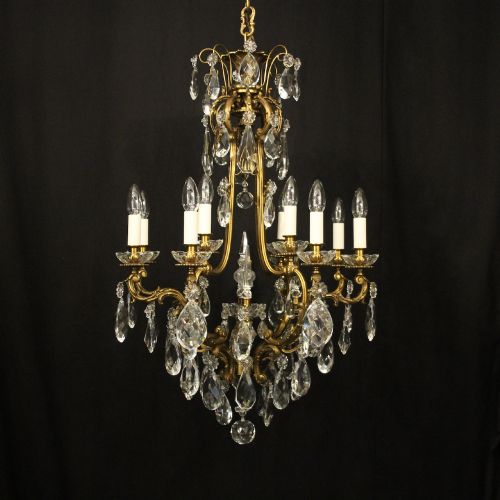
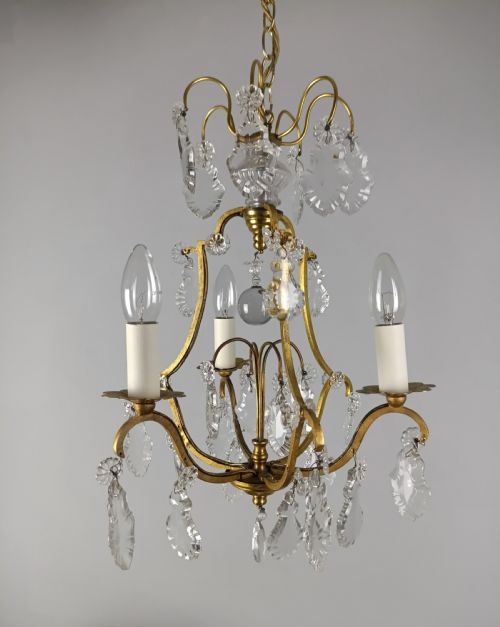
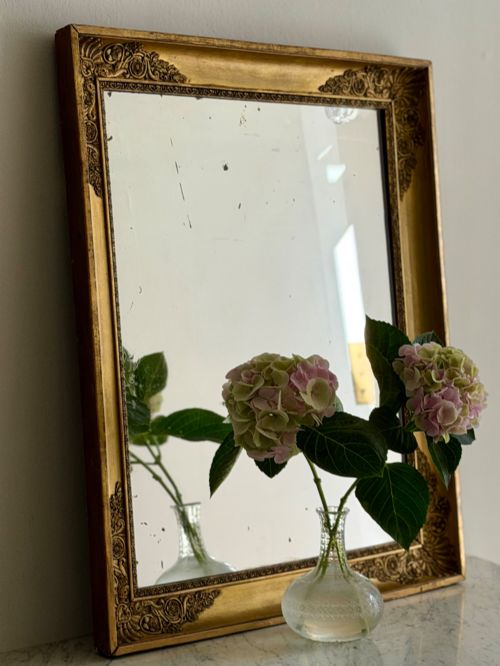
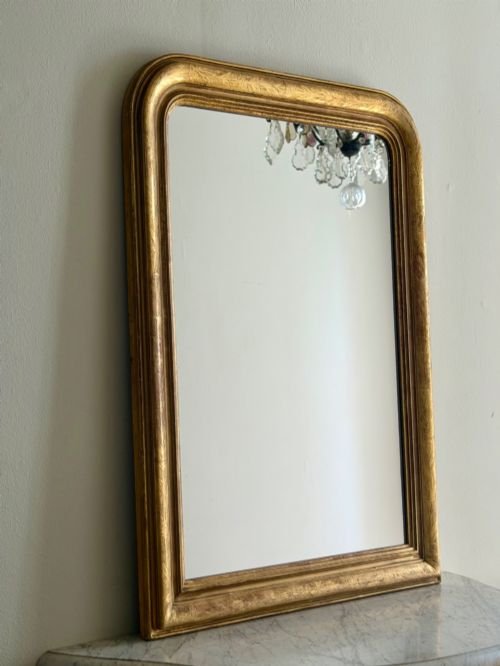
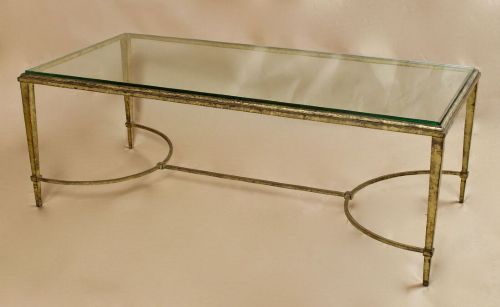
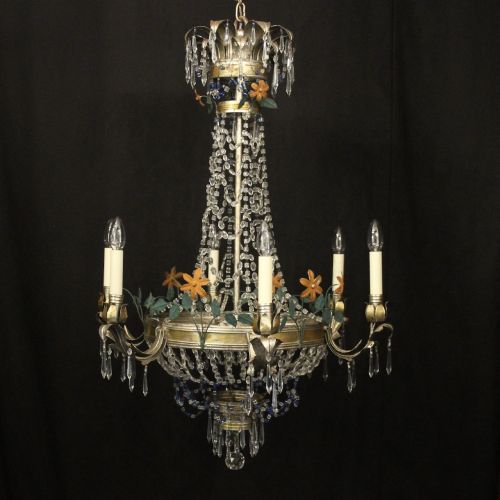
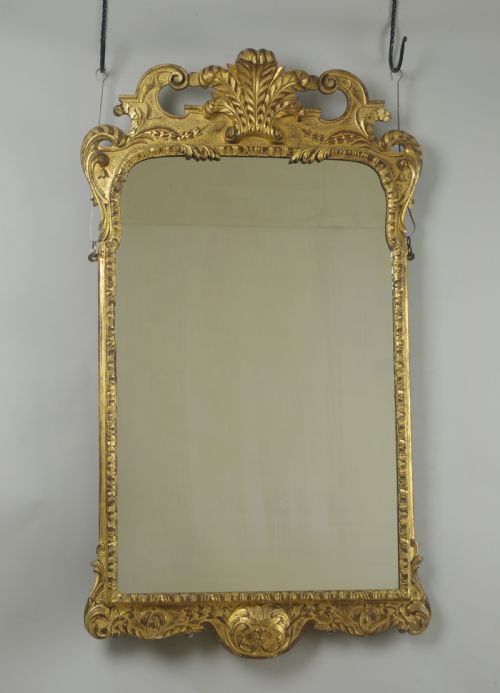
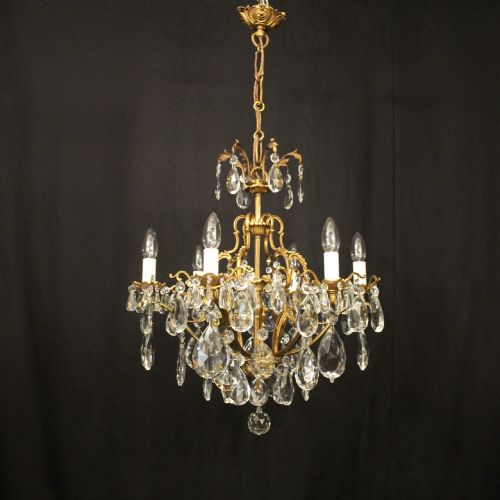
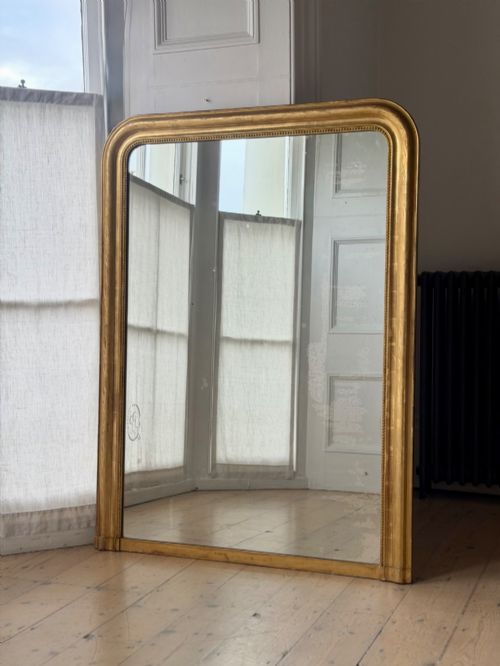
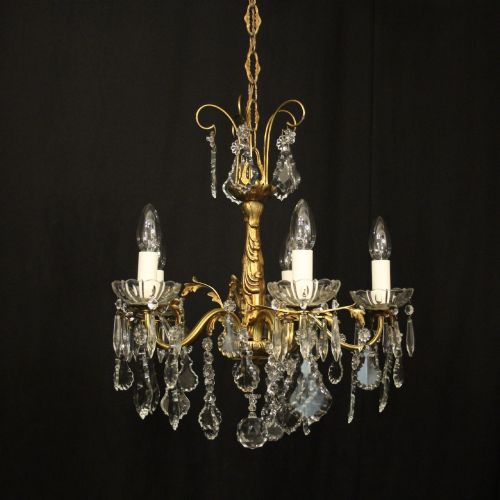
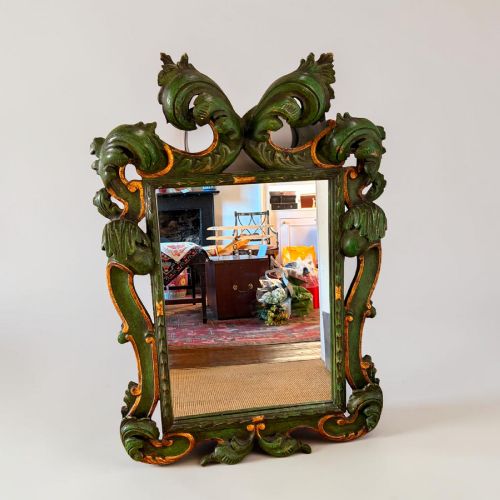
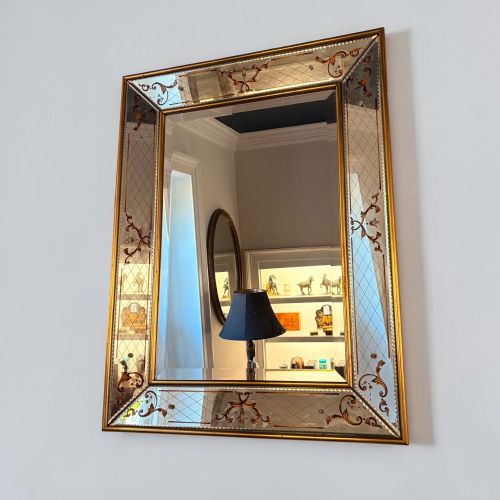
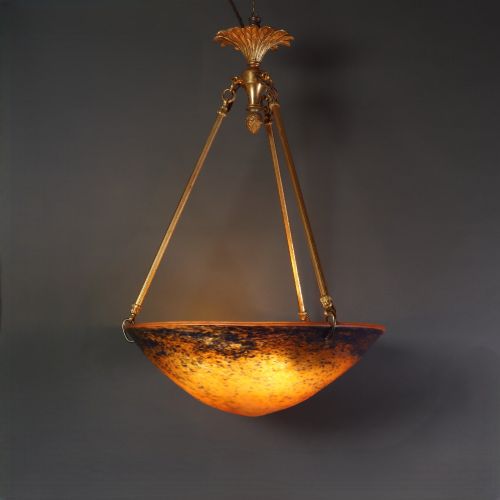
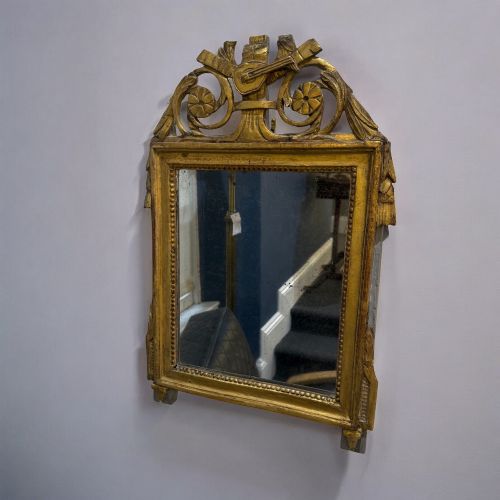
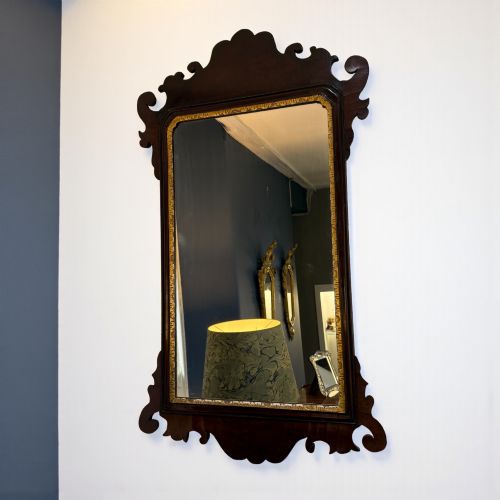
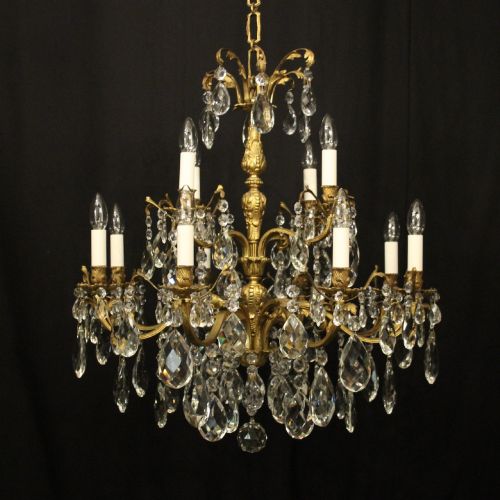
When searching for vintage gilded glass, collectors examine a selection dominated by French chandeliers, wall mirrors, and lighting fixtures spanning from the eighteenth century through to the mid-twentieth century. The mirrors frequently display classic Louis Philippe or Rococo styling framed in giltwood or gesso, while the chandeliers combine glass crystal with gilded bronze or wrought iron.
Beyond mirrors and chandeliers, the category includes table pieces such as overshot glass water jugs featuring gilded rims alongside functional ceiling lights and hall lanterns. These items reflect European decorative traditions, particularly French and Italian design aesthetics ranging from Neoclassical to Art Deco.
Materials and Construction
The fabrication of these pieces relies on traditional craftsmanship combining timber, metal, and glass. Carved wood, gesso, and giltwood form the structural bases for mirrors, whilst bronze and wrought iron provide the heavy framework for multi-light chandeliers and lanterns.
Glass elements incorporate cut crystal drops, mercury glass mirror plates, and overshot glass. Artisans applied gold leaf and gilding to wooden frames and metal mounts to achieve a reflective surface finish.
Some delicate chandeliers incorporate miniature porcelain flowers alongside their cut crystal drops and gilded bronze arms.
Assessing Quality
Quality in these items rests upon the depth of the hand-carved detail in the wooden or gilt-bronze frames and the clarity of the glass plates. Superior examples show crisp definition in the acanthus scrolls, floral motifs, and rococo ornaments without softening of the carved edges.
The integrity of the original gilding and the preservation of mercury backing on older mirror plates separate standard production from superior pieces. Hand-cut crystal components and substantial bronze castings indicate higher standards of period manufacture.
Charles Schneider·Maison Ramsay
The Vintage Gilded Glass Glossary
- Mercury glass
- A type of double-walled blown glass silvered between the layers with a liquid mercury amalgam, creating a reflective mirror effect.
- Giltwood
- Timber, commonly pine or oak, that has been coated with a thin layer of gold leaf or gold dust over a prepared gesso ground.
- Gesso
- A plaster-like mixture applied to wood surfaces as a smooth base for subsequent gilding and carving.
- Plafonnier
- A ceiling-mounted bowl light or flush-fitting light fixture, often produced in glass during the Art Deco period.
- Parcel-gilt
- An object or frame partially gilded to highlight specific carved details while leaving the underlying wood visible.
Vintage Gilded Glass: Frequently Asked Questions
What is vintage gilded glass?
Vintage gilded glass encompasses decorative items that unite gold leaf or metallic gilding with glass elements, primarily antique mirrors, crystal chandeliers, and glassware.
These objects draw upon historic European design traditions, particularly French and Italian aesthetics from the eighteenth to the twentieth century.
How were antique chandeliers used?
Antique chandeliers served as primary illumination sources in grand rooms, utilising candles before the integration of electrical wiring.
Today, they function as central decorative focal points in residential interiors, casting light through cut crystal drops.
How do I identify a Louis Philippe mirror?
Louis Philippe mirrors typically feature a rectangular format with rounded top corners and a restrained, elegant gilded frame.
They often retain original mercury glass plates that display gentle oxidation and a deep, soft reflection.
Where should I hang a wall mirror?
Wall mirrors are traditionally placed above mantelpieces, sideboards, or console tables to reflect light and expand the visual space of a room.
Secure mounting is essential due to the substantial weight of carved giltwood and bronze frames.