



Vintage Garden Lamp Post
These vintage garden lamp post options bring authentic nineteenth and early twentieth-century street lighting directly into domestic grounds, offering sturdy cast iron and copper construction.
Vintage Garden Lamp Post
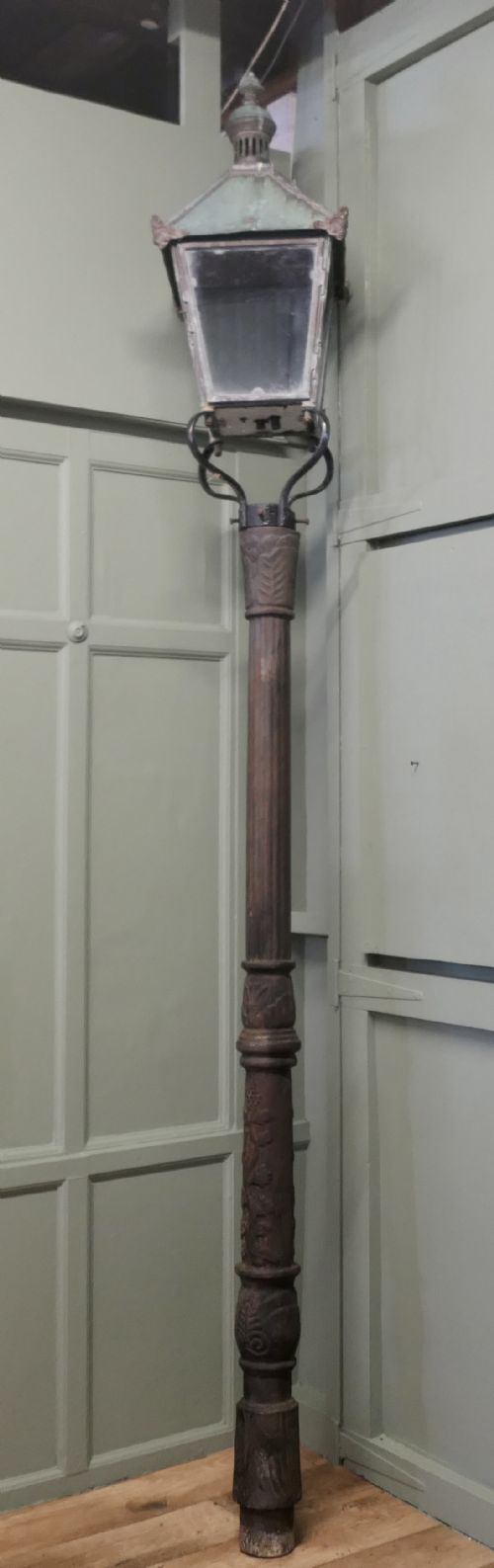
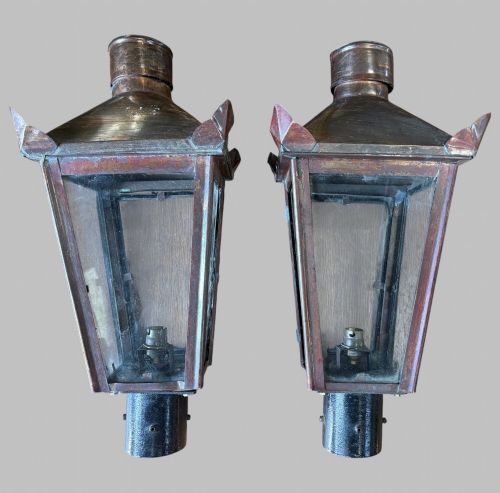
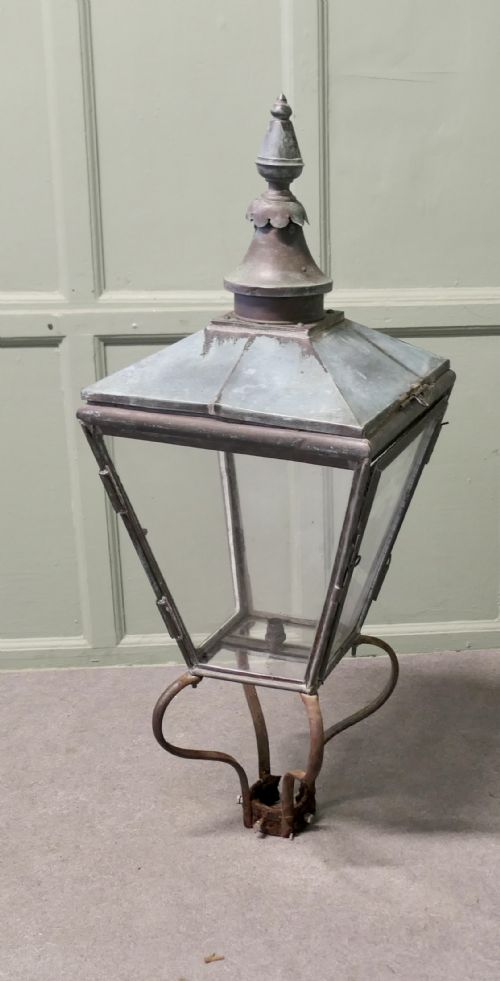
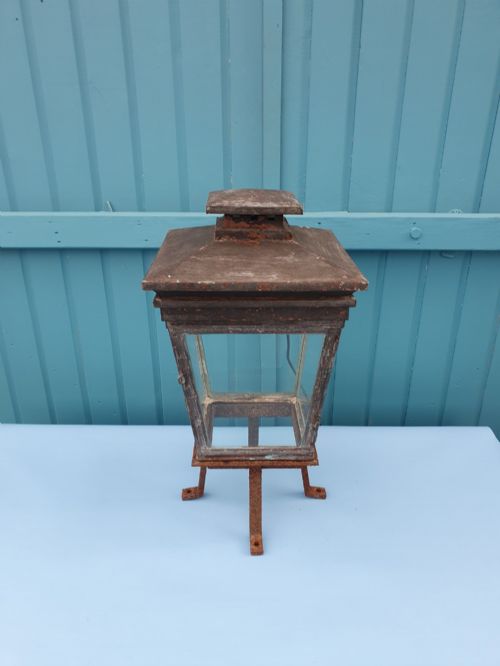
When you search for a vintage garden lamp post, you encounter robust outdoor lighting pieces designed to illuminate pathways, drives and grounds with historical character. These fixtures frequently take the form of street lamps, post lanterns and outdoor lanterns originating from periods spanning the Victorian era through the early twentieth century.
The selections available on this page lean heavily towards copper and iron constructions, often incorporating elements originally built for gas lighting before later electrical conversion. You find individual lanterns, pairs, and complete lamp posts featuring styles from Victorian, Edwardian and industrial aesthetics.
How they were made
Maker workshops utilised durable metals such as cast iron and wrought iron for the foundational posts and structural bases, ensuring stability against outdoor elements. Copper sheeting formed the bodies of the lanterns, soldered and riveted together to house the burners or bulbs securely.
Glazing involved fitting glass panels into the metal frames of the lanterns, protecting the flame or early electrical fittings from wind and rain. Many examples started life as gas street lamps, later adapted to accommodate electrical wiring while retaining their original structural integrity.
Vintage Garden Lamp Post Retail Price Guide 2026
Typical asking prices for vintage garden lamp post among the pieces listed under this phrase on Sellingantiques today, from the lower quarter to the upper quarter. They describe what is for sale here now, not the wider market.
What varies in quality
The distinction between standard examples and superior specimens rests upon the heft of the metalwork and the originality of the components. Heavier cast iron bases and substantial copper bodies denote robust manufacturing standards typical of municipal street furniture.
Original conversion details and surviving glass elements further separate ordinary items from those retaining greater historical completeness. The integrity of the original joints and the preservation of authentic surface patinas define the upper tier of these outdoor lights.
A Foster & Pullen Bradford·Revo Tipton
The Vintage Garden Lamp Post Glossary
- Cast iron
- A strong, heavy iron alloy poured into moulds to create rigid structural posts and decorative architectural components. This material provides the necessary weight to anchor tall outdoor lamp posts securely.
- Wrought iron
- Iron that is heated and hammered into shape by hand rather than cast in a mould. It offers fibrous durability and distinctive texture on historical metalwork.
- Swan neck
- A curved mounting arm resembling the neck of a swan, designed to hold a lantern away from the vertical post. This configuration directs light outward over paths and driveways.
- Gas conversion
- The historical alteration of a lighting fixture from a town gas supply to electricity. This process typically involves running modern wiring through the original internal channels.
Vintage Garden Lamp Post: Frequently Asked Questions
How do I install an old lamp post?
Installation requires a secure concrete footing to support the weight of heavy iron posts and connected electrical supplies. Professional assistance ensures that wiring meets current outdoor safety standards.
Positioning the fixture near a stable power source simplifies cable routing through the internal channels of the metal post.
Were these originally for gas?
Many period street lights and lanterns started life operating on gas before undergoing conversion to electricity in later decades. Traces of the original gas supply pipes and burners often remain visible inside the fixtures.
This heritage adds historical interest, though modern electrical lamp holders replace the historical burners for everyday use.
Can I leave copper outside?
Copper naturally withstands outdoor conditions by developing a protective weathering layer over time. This patina shields the metal from further atmospheric corrosion in garden settings.
Regular cleaning is unnecessary unless you wish to slow down the natural darkening process of the metal surfaces.
How do I date an iron post?
Dating relies on stylistic clues, construction techniques, and municipal markings found on the metal components. Victorian and Edwardian examples often feature distinct decorative casting styles typical of the late nineteenth and early twentieth centuries.
Maker stamps or specific foundry names stamped into the iron provide the most reliable chronological markers.