




Vintage Garden Dining
Vintage garden dining brings together weather-worn iron, timber, and marble for outdoor meals that carry the character of past centuries.
Vintage Garden Dining
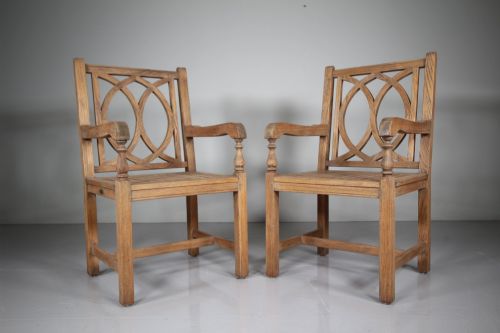
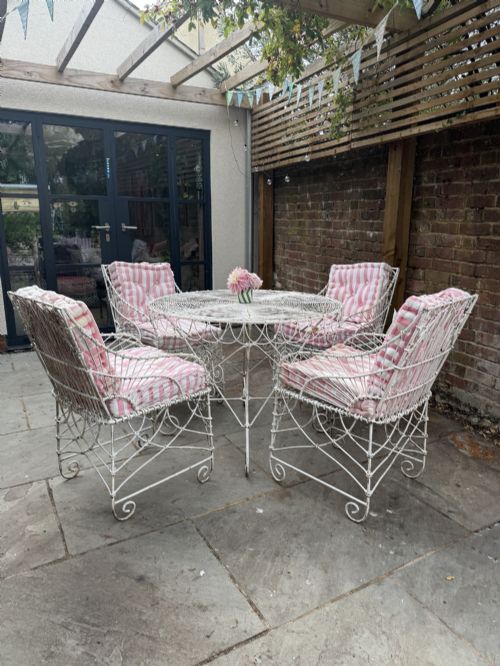
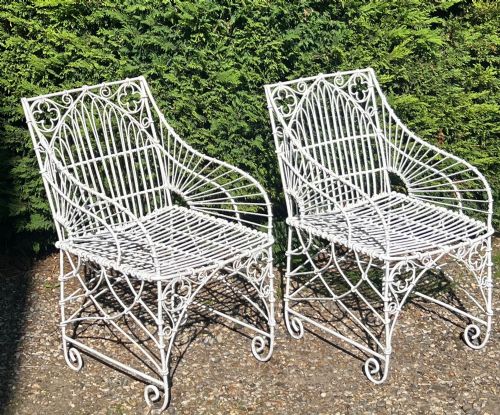
Vintage garden dining encompasses complete sets, bistro tables, chairs, and benches designed for outdoor use across the nineteenth and early twentieth centuries. These pieces reflect periods from Victorian wirework and Gothic Revival to French Country and Arts and Crafts styles.
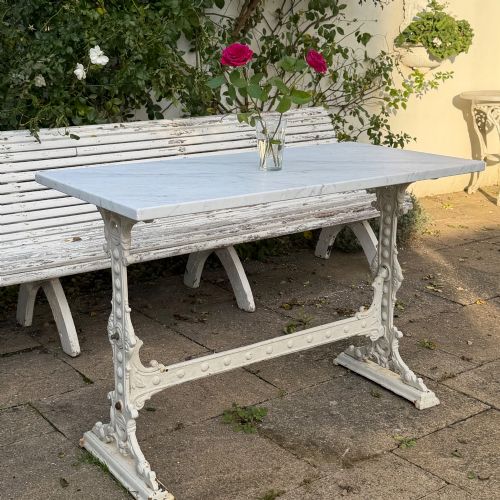
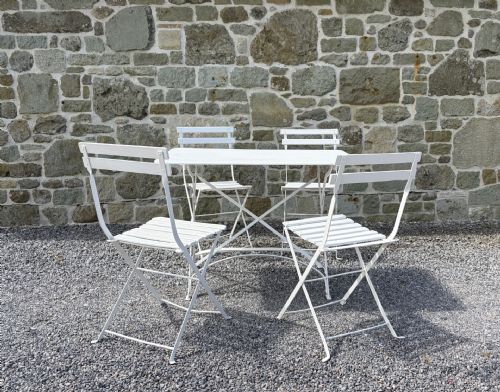
The most frequent finds on this page are iron and timber tables paired with matching chairs, originating from French provincial settings or domestic Victorian gardens. Formats range from compact two-seater bistro sets to larger four-piece and six-piece dining arrangements.
Makers and designers span from labeled pieces by firms such as Heals to notable industrial designers like Christopher Dresser. Materials shift between heavy cast iron, wrought iron, pine, teak, oak, elm, marble, and zinc.
How they were made
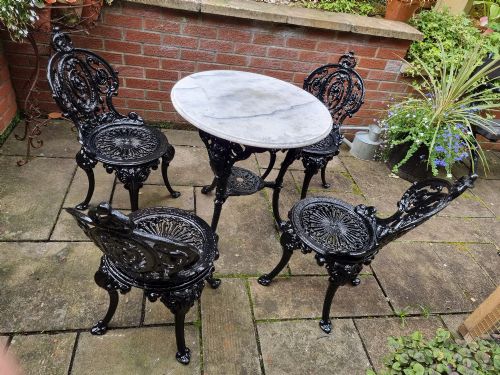
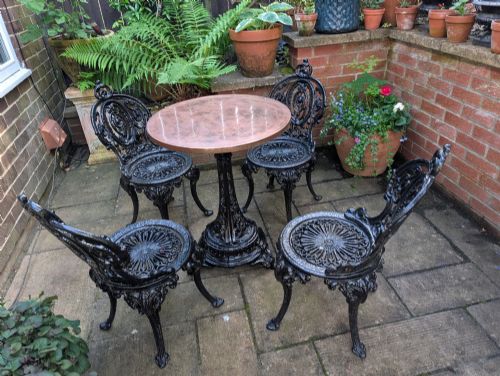
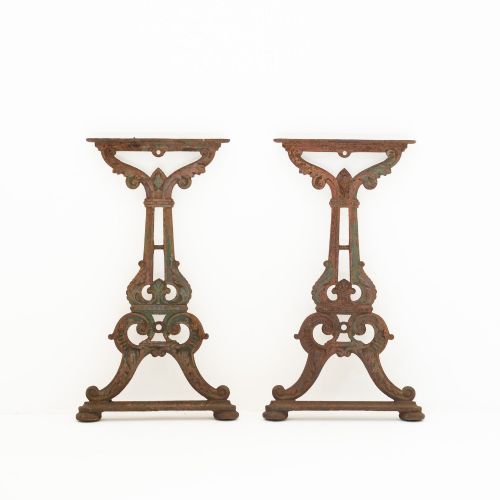
Metal components rely heavily on cast iron and wrought iron, frequently shaped into intricate structural bases or pierced seats. Paint finishes, patinated copper, and brass details add surface texture to these durable metal frames.
Wooden elements utilise solid timbers such as teak, pine, oak, elm, and bleached trestle woods suited to exterior conditions. Marble and zinc tops provide resilient working surfaces for cafe and bistro tables.
Vintage Garden Dining Retail Price Guide 2026
Typical asking prices for vintage garden dining among the pieces listed under this phrase on Sellingantiques today, from the lower quarter to the upper quarter. They describe what is for sale here now, not the wider market.
Design styles represented in the current selection include Victorian, French Country, French Industrial, Rustic Country, Arts and Crafts, Gothic Revival, and Victorian Wirework.
What varies in quality
The distinction between standard utility furniture and superior examples lies in the integrity of the casting and the distinction of the design. Elaborate Victorian wirework or attributed pieces by known designers elevate the status of a set above standard utilitarian foundry work.
The combination of materials also dictates overall standing, particularly where marble tops, brass accents, or specific hardwoods like teak are integrated into the construction. Original labels and maker signatures preserve historical context and confirm authenticity.
Heals·Christopher Dresser
The Vintage Garden Dining Glossary
- Bistro table
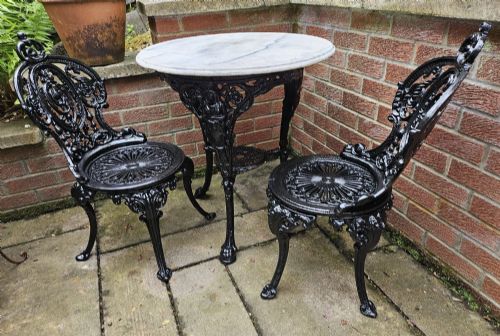
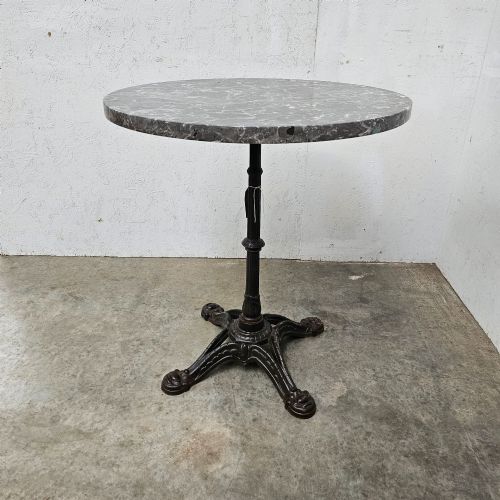
- A small café or garden table, typically featuring a single central iron base and a round timber, marble, or zinc top designed for compact seating. These tables originated in French sidewalk culture and domestic courtyards.
- Cast iron
- Molten iron poured into a mould to create rigid structural frames, decorative chair backs, and heavy table bases. It provides the weight and ornate detail characteristic of Victorian garden furniture.
- Gothic Revival
- An architectural and decorative style drawing on medieval pointed arches and structural motifs, translated here into iron garden chairs. This aesthetic was popular during the nineteenth century.
- Trestle table
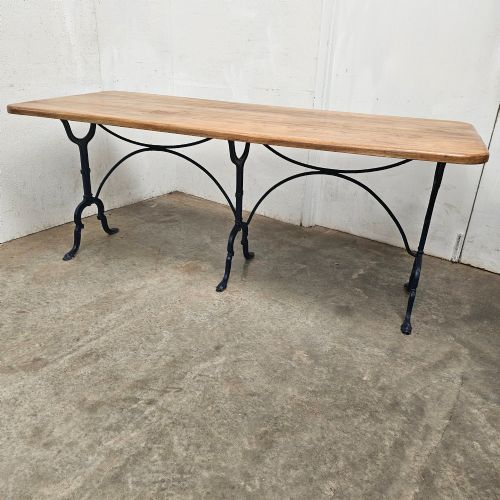
- A long dining surface supported by two or more upright frames connected by a horizontal beam. French bleached versions appear frequently in rustic garden and interior settings.
- Wirework
- Metal strands bent and woven into permeable, resilient chair seats and plant stands. This technique defines specific Victorian garden designs.
Vintage Garden Dining: Frequently Asked Questions
Can vintage garden furniture stay outside?
Most cast iron and weathered timber pieces tolerate outdoor environments well, having been built for exterior use over a century ago. Protecting them during harsh winter months helps preserve original painted surfaces and prevents excessive wood splitting.
Over time, exposure develops a natural patina on the metal and wood. Regular maintenance depends entirely on the specific material combination of the set.
How do I identify a Victorian garden set?
Victorian sets typically feature heavy cast iron frames with ornate botanical, geometric, or Gothic Revival motifs. The construction methods rely on bolted heavy metal sections rather than modern welds.
Labels, registration marks, and distinct foundry patterns often help confirm the nineteenth-century origin of the pieces. Comparing the hardware style to documented pieces provides further chronological context.
What is a French bistro table?
A French bistro table is a compact outdoor table designed for cafes and small garden spaces during the late nineteenth and early twentieth centuries. They feature heavy iron bases paired with wooden, zinc, or marble tops.
These pieces were built to be sturdy yet movable for tight pavement seating arrangements. Their simple proportions suit modern breakfast terraces and small courtyards.
Are these sets suitable for indoor use?
Many vintage garden dining sets transfer easily into indoor kitchens, sunrooms, and conservatories. Bleached timber tables and cast iron chairs add rustic texture to interior dining spaces.
Protective feet or pads protect indoor flooring from heavy iron bases. The mix of weathered wood and metal bridges indoor and outdoor living areas seamlessly.