



Vintage Furniture Supports
Vintage furniture supports encompass everything from cast iron bench ends to turned wooden uprights that hold up desks, tables, and shelving.
Vintage Furniture Supports
When buyers search for vintage furniture supports, they encounter structural elements and foundational pieces ranging from nineteenth century cast iron table bases to wooden bench ends. These components define the architectural integrity of desks, cabinets, and seating across Victorian, Regency, and Arts and Crafts aesthetics.
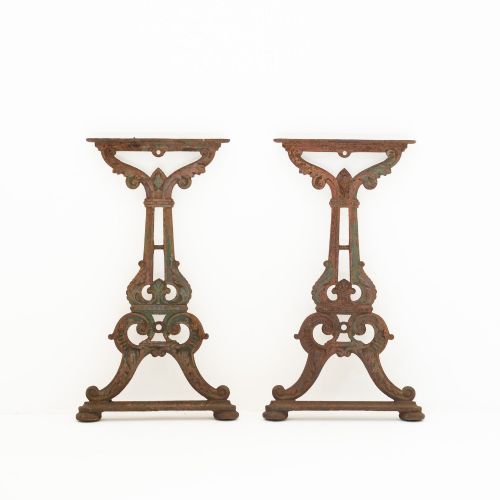
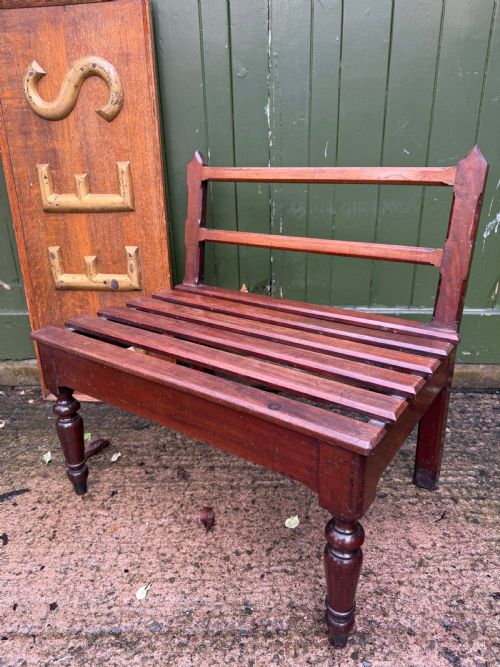
The most common versions met on this page include robust cast iron table bases and bench supports alongside turned library steps uprights and luggage stand rear upstands. Oak and mahogany frequently appear as the primary timbers, while brass and cast iron dominate the metal hardware.
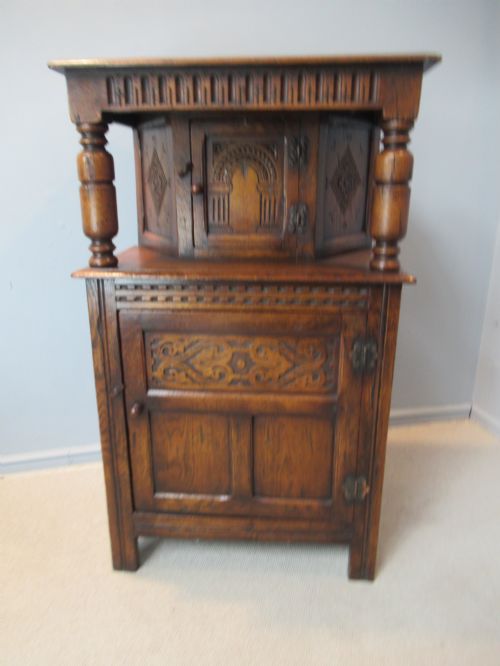
Pieces span from the eighteenth century through the Victorian era and into the early twentieth century, reflecting varied revivals such as Jacobean, Gothic, and Regency styles. Buyers find functional hardware alongside complete items like court cupboards and partner desks that rely heavily on their structural supports.
Materials and construction methods
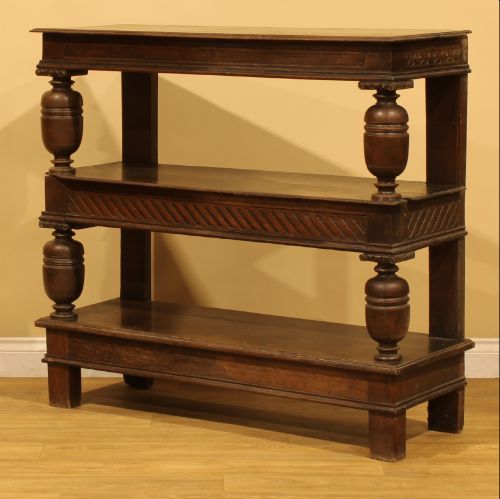
Makers utilised solid hardwoods like oak, mahogany, walnut, and cherry wood for structural wooden supports, often incorporating hand-carved details such as trefoil motifs or faux bamboo turnings. Joinery and turned sections formed the backbone of uprights for desks, bookcases, and stick stands.
Metal components relied on cast iron and brass, particularly for table bases, bench ends, and firedogs, utilising foundry casting and patination. These durable materials provided the necessary weight and strength for heavy tables and seating.
Vintage Furniture Supports Retail Price Guide 2026
Typical asking prices for vintage furniture supports among the pieces listed under this phrase on Sellingantiques today, from the lower quarter to the upper quarter. They describe what is for sale here now, not the wider market.
Listings span multiple centuries from the 18th Century through the Victorian era to 1920, predominantly featuring oak, mahogany, and cast iron.
What separates the range
Quality in these supports is determined by the crispness of the casting in ironwork and the depth of carving in wooden elements. Superior examples show deliberate attention to proportion and finish, whether in the turned details of library steps or the structural detailing of bench ends.
The selection of timber grain and the integrity of the original joins separate standard utility items from important architectural pieces. Cast iron components range from unmarked utility castings to finely articulated works associated with major foundries.
The Vintage Furniture Supports Glossary
- Upstand
- A vertical board or rail rising above the back or sides of a piece of furniture to prevent items from falling off. This feature appears on luggage stands and sideboards.
- Firedog
- A metal support used to hold logs in an open fireplace, often featuring decorative brass or cast iron terminals. These act as sculptural supports on the hearth.
- Bench end
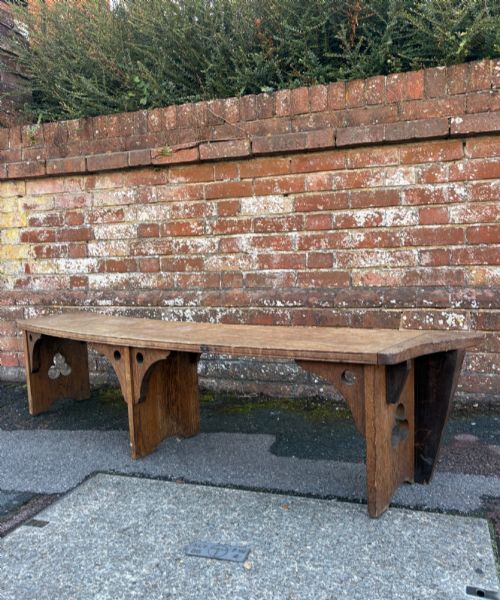
- The structural side panel or support of a bench, frequently cast in iron with openwork Gothic or Victorian ornamentation. Pairs of these formed the sides of garden or park seating.
- Trefoil
- A graphic ornament composed of three rounded lobes resembling a clover leaf. Carved wooden supports often feature this Gothic revival detail.
- Turned
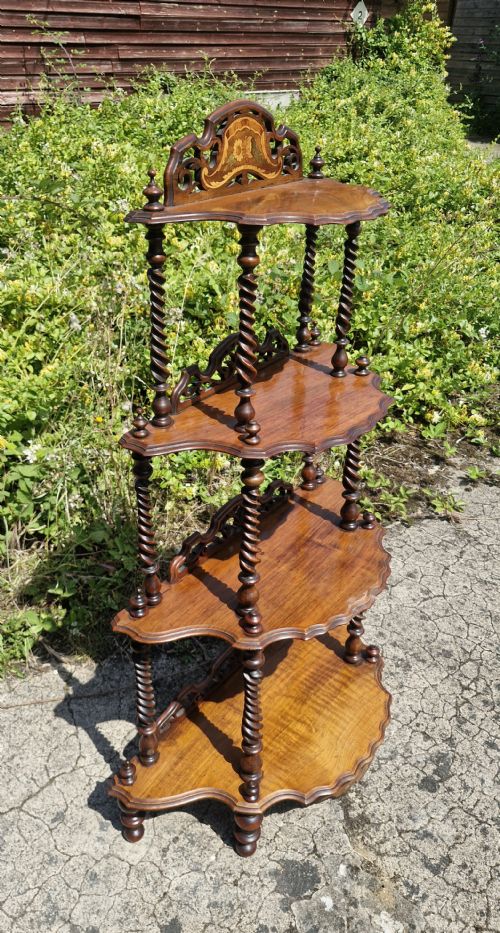
- Shaped on a lathe by rotating the wood against a cutting tool to create cylindrical and spherical profiles. This technique forms the supports for spiral library steps and table bases.
Vintage Furniture Supports: Frequently Asked Questions
What are vintage furniture supports used for?
These items serve as structural or decorative components that hold up tables, desks, shelves, and seating. They include table bases, bench ends, and structural uprights salvaged or preserved from older furniture.
Buyers utilise them for restoration projects or incorporate them into interior schemes as standalone decorative objects or repurposed bases for new table tops.
How do I identify Victorian cast iron supports?
Victorian cast iron supports typically display heavy weight, dark patination, and ornamental designs reflecting Gothic or industrial aesthetics. They often feature structural bolt holes and manufacturer registration markings.
Common forms include bench ends and table bases designed to support heavy timber tops with rigid durability.
Are wooden supports usually oak or mahogany?
The listings show a strong presence of both oak and mahogany, alongside walnut, cherry wood, and rosewood. Oak frequently appears in Arts and Crafts and Jacobean revival pieces, while mahogany is common in nineteenth century campaign and country house furniture.
Each timber dictates the weight, colour, and grain pattern of the structural upright or furniture support.
How do I care for antique metal supports?
Cast iron and brass supports require gentle dusting and occasional light waxing or oiling to prevent rust and stabilise the metal surface. Avoid harsh chemical cleaners that strip the historic patination accumulated over the centuries.
Keeping them in stable humidity environments protects both the metal components and any attached wooden elements from degradation.
What is a campaign furniture support?
Campaign furniture supports belong to portable furnishings designed for travel by military officers during the nineteenth century. They often feature collapsible, adjustable, or demountable engineering.
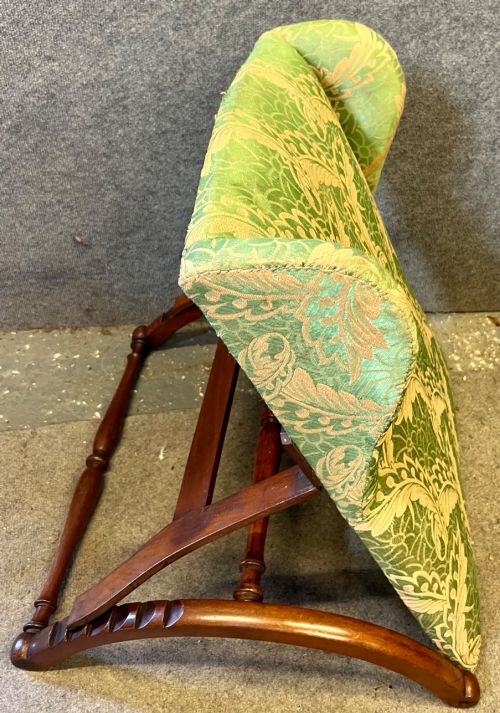
Adjustable chair backs and folding frames demonstrate the clever mechanical design required for transport without sacrificing structural support.