

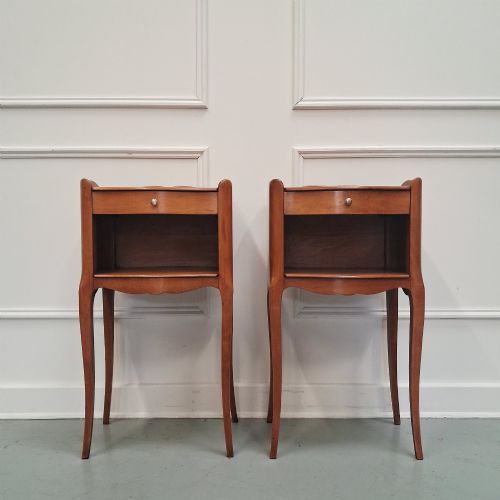
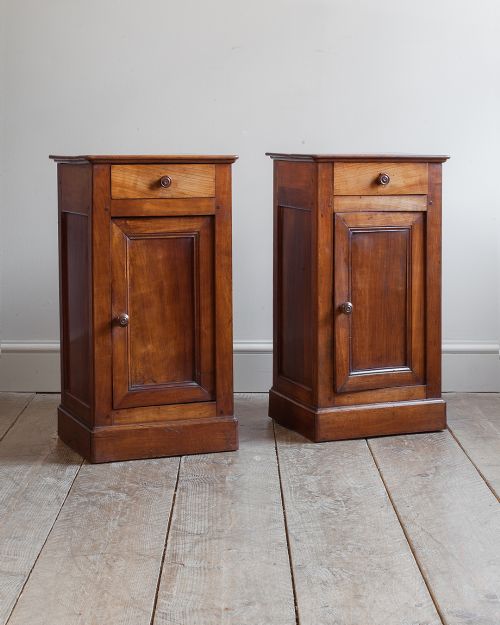
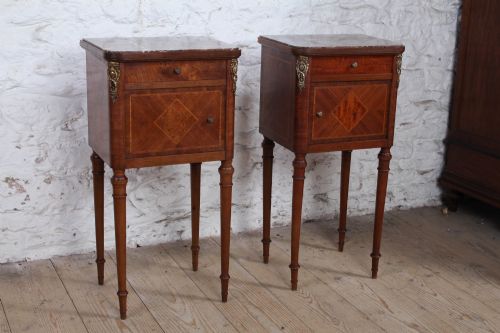

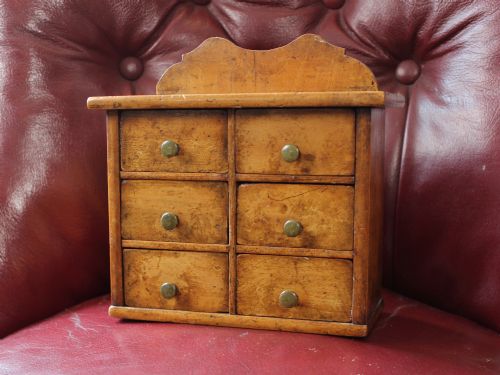
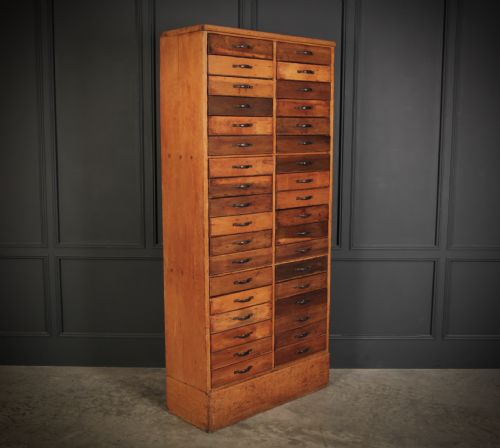


Vintage Fruitwood Cabinet
These vintage fruitwood cabinet examples offer warm timber tones and practical storage, bringing subtle character and utility to any room.
Vintage Fruitwood Cabinet
When you search for a vintage fruitwood cabinet, you encounter a selection spanning the nineteenth century up through the nineteen-thirties, encompassing various regional styles. The forms include bedside tables, sideboards, commodes, and specialised storage pieces like spice drawers and haberdashery chests.
French Provincial and Victorian country designs appear frequently among the listings, alongside Georgian and Sheraton Revival influences. Buyers most commonly meet smaller bedside cupboards with marble tops or larger display cabinets featuring marquetry inlay.
Origins stretch across French, Dutch, and British workshops, showing how different cabinetmakers utilised fruitwood for both provincial utility and formal display furniture. Each piece brings specific regional proportions and timber selections to interior spaces.
How they were made
Cabinetmakers worked primarily with fruitwood, cherrywood, and burr wood veneers, often combining timber varieties within a single carcass. Secondary woods supported structural elements, while selected fruitwoods provided smooth surfaces for polished finishes.
Decorative techniques relied heavily on marquetry inlay and contrasting wood veneers to create geometric or floral patterns across door panels and drawer fronts. Brass hardware, including handles and key escutcheons, functionalised opening mechanisms on commodes and sideboards.
Selected pieces incorporated inset marble tops, particularly on French bedside cupboards and commodes, requiring sturdy timber framing to support the stone weight. Glass panels featured in display cabinets and haberdashery units to showcase contents while protecting them from dust.
Vintage Fruitwood Cabinet Retail Price Guide 2026
Typical asking prices for vintage fruitwood cabinet among the pieces listed under this phrase on Sellingantiques today, from the lower quarter to the upper quarter. They describe what is for sale here now, not the wider market.
The inventory records nineteenth-century pieces alongside items from nineteen-twenty, nineteen-thirty, and the Georgian and Victorian eras.
What varies in quality
The refinement of the timber veneer work dictates the visual distinction between standard utility furniture and higher-grade examples. Finely figured burr wood and intricate marquetry inlay demonstrate greater workshop skill than plain solid fruitwood construction.
Structural integrity depends on the precision of the joinery in drawers, doors, and carcass corners, affecting how smoothly panels move over time. Original brass hardware and well-fitted marble tops indicate superior initial commissioning rather than later replacement.
Proportion and decorative restraint separate provincial vernacular pieces from more ambitious stylistic revivals like Sheraton Revival or French Louis XVI style. The balance between practical storage capacity and delicate decorative detailing defines the upper tier of surviving examples.
The Vintage Fruitwood Cabinet Glossary
- Fruitwood
- Timber derived from fruit-bearing trees such as pear, apple, or cherry, prized for its fine grain and warm warm colouration. Cabinetmakers utilised it extensively for both solid construction and decorative veneers.
- Marquetry
- The art of applying pieces of veneer to a structure to form decorative patterns and pictures. Craftsmen used contrasting timbers like walnut and fruitwood to create detailed inlaid surfaces on display cabinets.
- Commode
- A low chest of drawers or cabinet originating in France, typically featuring a marble top in nineteenth-century iterations. These pieces provided bedroom or reception room storage with decorative presence.
- Haberdashery cabinet
- A multi-drawer storage unit originally designed for retail display of small sewing goods and textiles. Surviving examples offer numerous shallow drawers housed within a larger fruitwood or timber frame.
- Burr wood
- A growth on a tree where the grain has grown in a deformed manner, yielding intricate swirling patterns when sliced into veneer. Furniture makers highlighted these sections on drawer fronts and cabinet doors.
Vintage Fruitwood Cabinet: Frequently Asked Questions
Where should I place a cabinet?
Position your cabinet away from direct sunlight and strong heat sources to prevent the fruitwood from drying out and warping. Stable indoor humidity levels protect both solid timber and delicate veneer work.
Ensure marble-topped pieces rest on level flooring to distribute weight evenly across the timber frame. Allow sufficient clearance around doors and drawers for smooth operation.
Are these cabinets practical for daily use?
Most pieces offer functional storage ranging from deep sideboard cupboards to shallow spice and haberdashery drawers. Bedside tables provide convenient surface space and enclosed storage for modern bedrooms.
Consider the internal depth and shelf configuration before storing bulky items inside antique display cabinets. Routine gentle handling preserves original hinges, locks, and drawer runners.
How do I date a fruitwood cabinet?
Examine construction methods, timber preparation, and hardware styles to determine the likely period of manufacture. Hand-cut dovetails and regional design traits often point towards specific decades or centuries.
Compare stylistic markers like French Provincial curves or Victorian inlay patterns with documented historical examples. Inconsistencies between hardware and timber age can suggest later modifications.