


Vintage Frosted Lighting
Vintage frosted lighting brings a soft, diffused glow to a room through textured glass paired with metal mounts.
Vintage Frosted Lighting
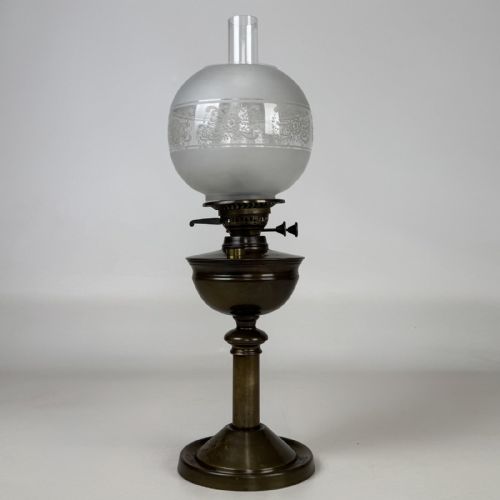
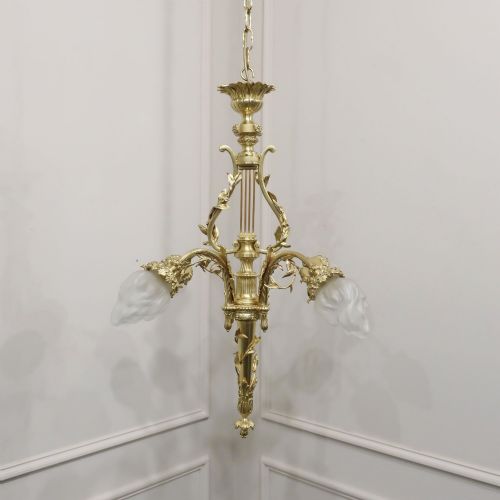
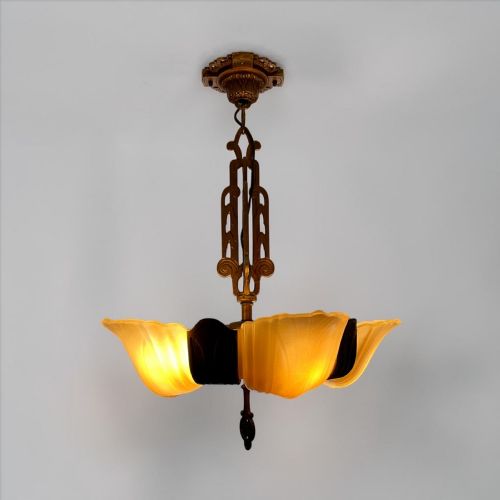
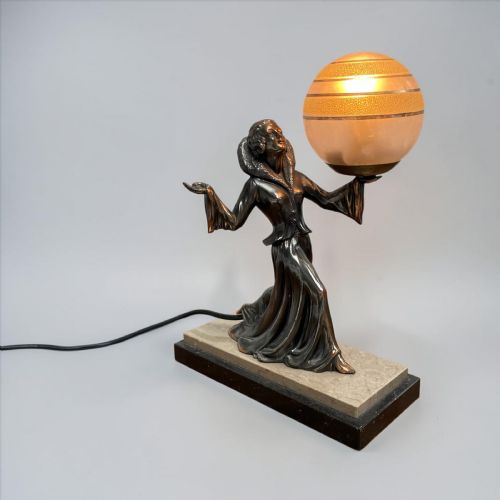
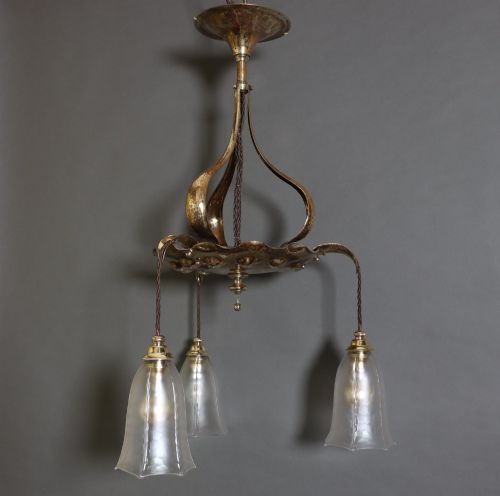
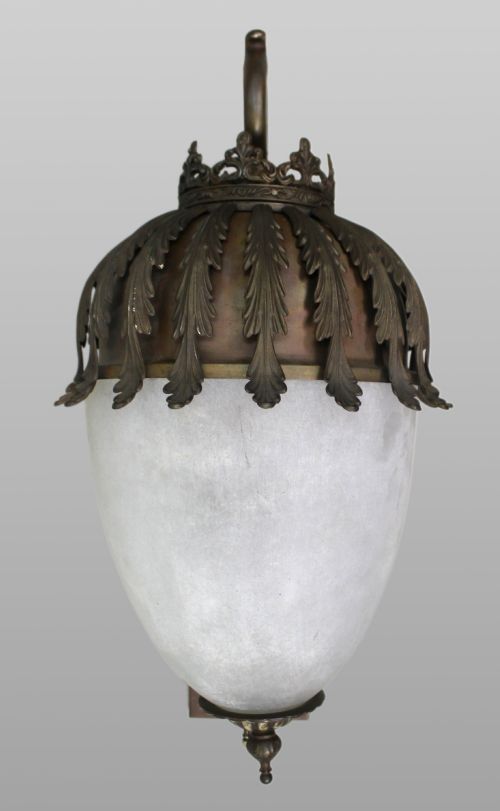
When you search for vintage frosted lighting, you encounter a variety of functional fixtures designed to illuminate domestic and public spaces. These items include pendant lights, wall sconces, chandeliers, table lamps, and oil lamps spanning the Victorian era through the Art Deco period.
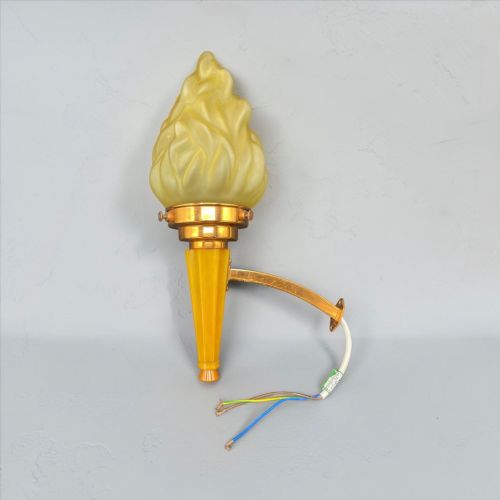
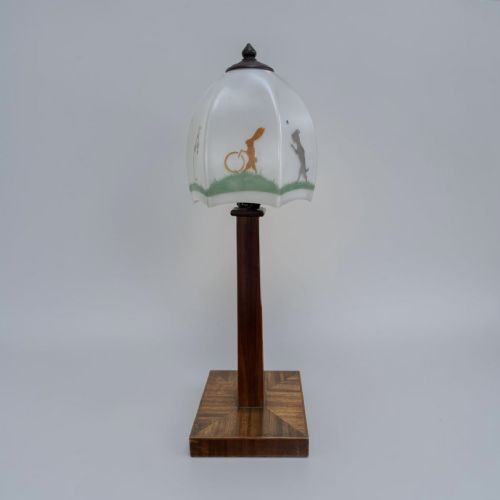
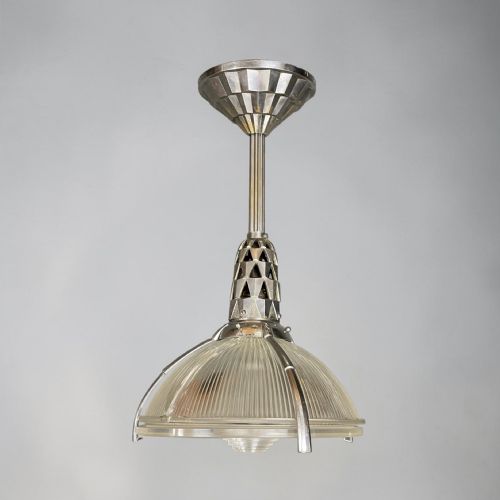
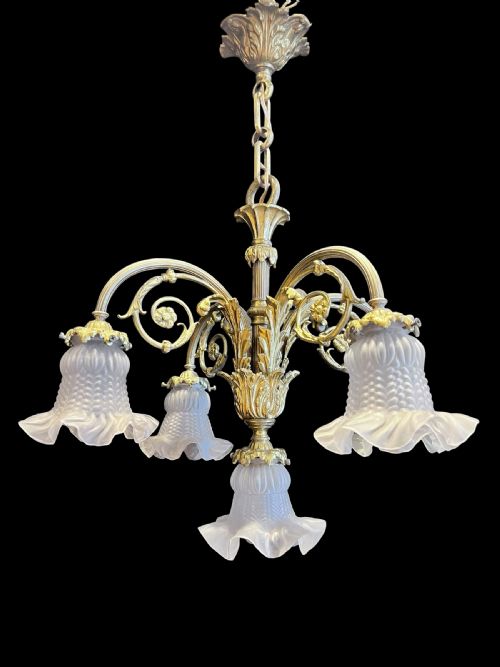
The selections on this page feature lamps and lanterns constructed in brass, bronze, chrome, and iron, often incorporating cut, cranberry, ruby, or opalescent glass alongside the characteristic frosted shades. Forms range from simple glass shades to elaborate French Neoclassical chandeliers and American slip shade ceiling lights.
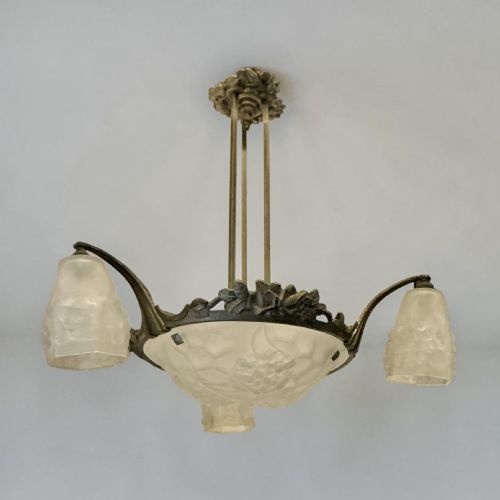
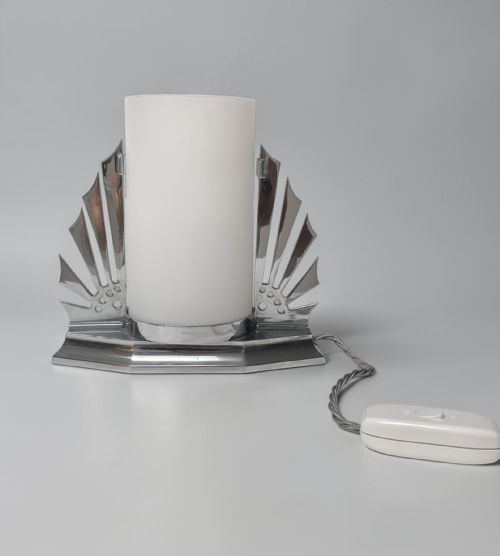
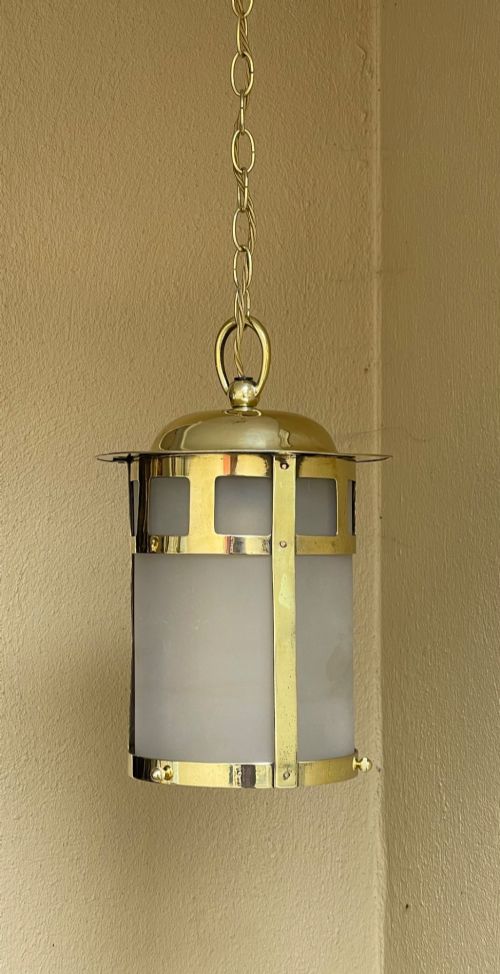
You are most likely to meet fixtures originating from the early twentieth century, particularly Art Deco pieces featuring geometric or moulded glass, as well as Edwardian and Victorian brass oil lamps and hall lanterns.
How vintage frosted lighting was made
The fabrication of these fixtures relies on the combination of metalwork and glass production, utilising brass, bronze, or chrome frames to support moulded, cut, or frosted glass shades. Metal components were cast, spun, or forged into brackets, frames, and mounts, while glass was blown, pressed, or chemically treated to achieve an opaque or textured finish.
Detailing on these pieces often involves decorative mounts in ormolu, gilt bronze, or wrought iron, paired with specialised glass elements such as slip shades, opalescent bowls, or cranberry fonts.
Several lamps feature novelty animal motifs, including charming porcelain dogs and parrots perched beside the illumination.
What varies in quality in vintage frosted lighting
Quality in these fixtures is defined by the precision of the metal casting and the heft of the supporting framework, whether in solid brass, heavy bronze, or plated chrome. Superior examples display crisp chasing on ormolu mounts, robust structural integrity in hanging lanterns, and substantial glass thickness without internal flaws.
The refinement of the glasswork distinguishes finer pieces, particularly where moulding, opalescence, or slip shading demonstrates deliberate artistic design rather than mass production. Original matching components and robust structural proportions elevate an individual fixture above standard utilitarian alternatives.
Émile-Jacques Ruhlmann·Osler·Maison Jansen·Andre Arbus
The Vintage Frosted Lighting Glossary
- Frosted glass
- Glass treated by acid-etching or sandblasting to create a textured, translucent surface that diffuses light. This finish softens harsh glare in interior lamps.
- Slip shade
- A moulded glass shade designed to slot directly into a metal frame or bowl mount. These are frequently found in American Art Deco ceiling lights.
- Ormolu
- Gilt bronze ornamentation applied to furniture and lighting fixtures. It provides a bright golden decorative finish.
- Pendant light
- A light fixture suspended from the ceiling by a cord, chain, or metal rod. These direct illumination downward into a space.
- Chandelier
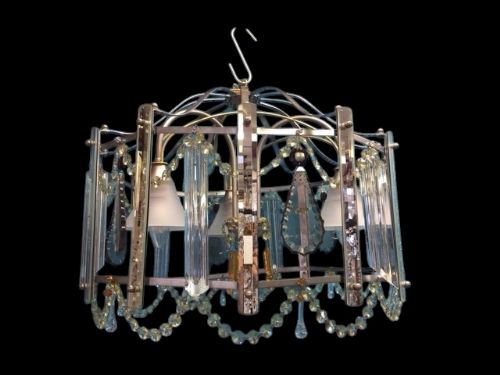
- A branched, decorative hanging light fixture designed to hold multiple lamps or candles. They often incorporate crystal or glass drops and ornate metal arms.
Vintage Frosted Lighting: Frequently Asked Questions
How do I clean frosted glass shades?
Clean frosted glass using warm water and a mild detergent applied with a soft cloth to protect the textured surface. Avoid harsh abrasives that might scratch or alter the etched finish.
Dry the glass thoroughly with a lint-free cloth before reattaching it to the metal frame to prevent water spots.
Were these lights originally electric?
Many Edwardian and Victorian pieces, including hall lanterns and oil lamps, were initially designed for candles or paraffin oil before being converted to electricity.
Art Deco and later twentieth-century fixtures were predominantly manufactured for electrical systems from the outset.
Can heavy chandeliers hang safely?
Heavy chandeliers and monumental lanterns require secure anchorage into ceiling joists or structural nogging using appropriate fixings. Professional installation is recommended to support the combined weight of the metal frame and glass components.
Checking the hanging chain and ceiling hook ensures the mounting remains secure over time.