





Vintage Fret Mirror
These vintage fret mirrors bring carved wooden elegance and traditional craftsmanship to any room, offering the classic pierced silhouettes collectors prize.
Vintage Fret Mirror
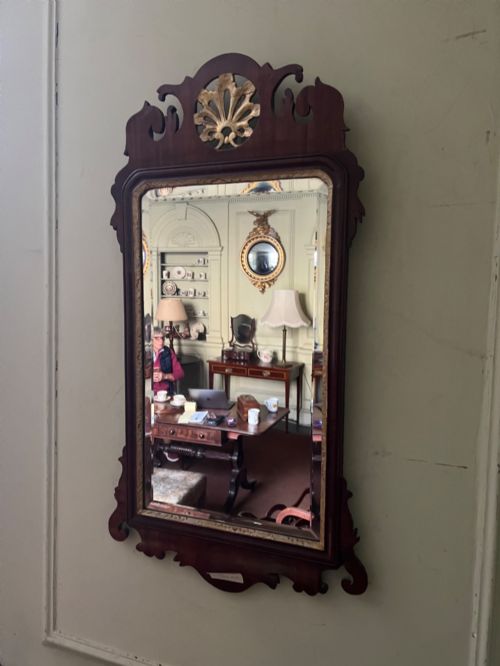
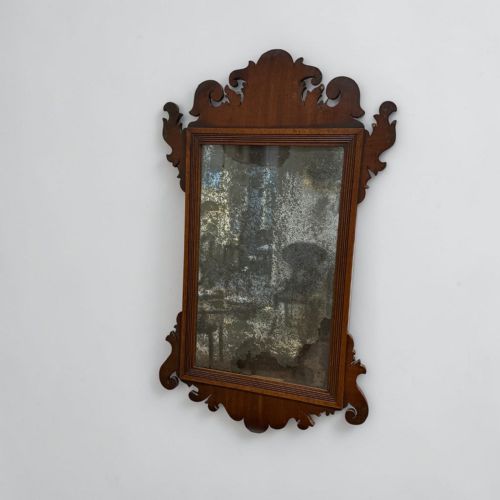
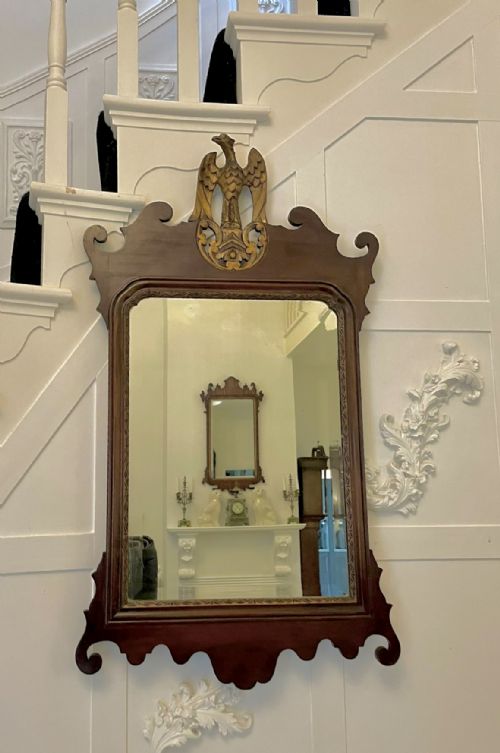
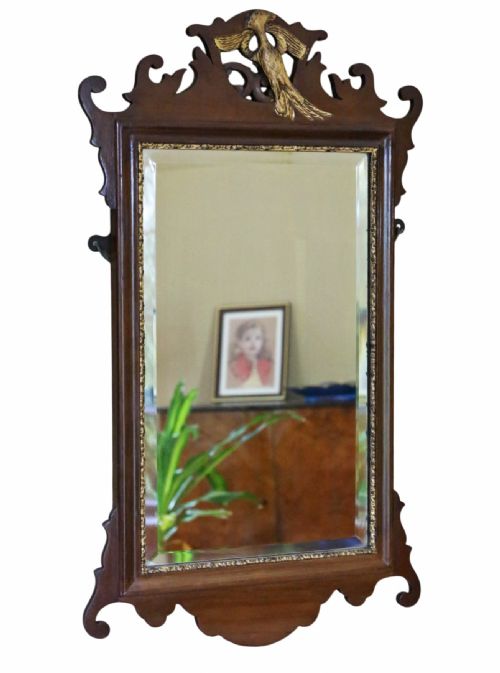
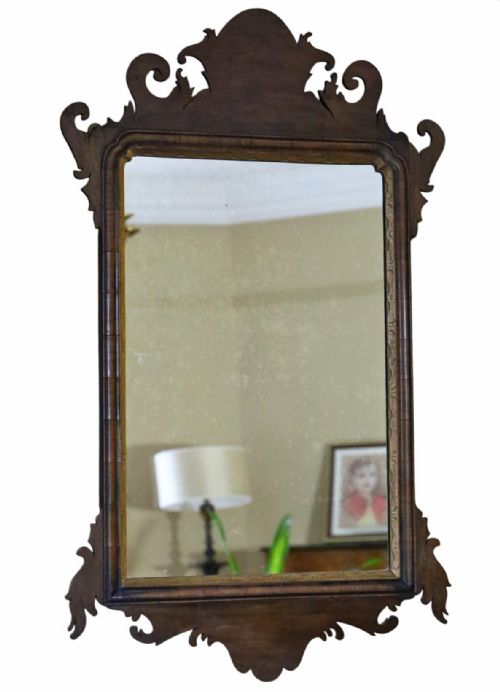
A vintage fret mirror centres on a wall-hanging wooden frame shaped with intricate pierced scrollwork and geometric fret-cut outlines. These pieces span several centuries, with examples appearing from the Georgian period through to Edwardian and later revival eras.
Most items found here take the form of wall mirrors executed in mahogany, walnut, or giltwood, often drawing directly on traditional Chippendale designs. Buyers will also encounter occasional larger formats such as overmantel mirrors and hall stands featuring similar pierced woodwork.
The aesthetic reaches from authentic 18th-century originals through to Edwardian and 1920s Georgian Revival interpretations. Each iteration maintains the characteristic silhouette while reflecting the woodworking standards of its specific production era.
Materials and construction methods
Frames are constructed from dense hardwoods such as mahogany and walnut, selected for their stability and fine grain under intricate hand-sawing. Workshops utilised precise fret-cutting techniques to achieve the characteristic pierced scrollwork silhouettes seen across these wall mirrors.
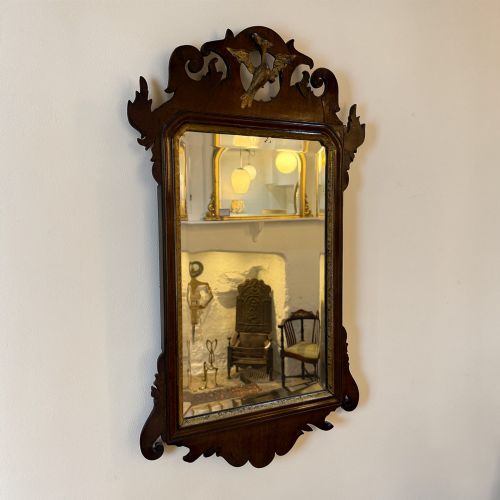
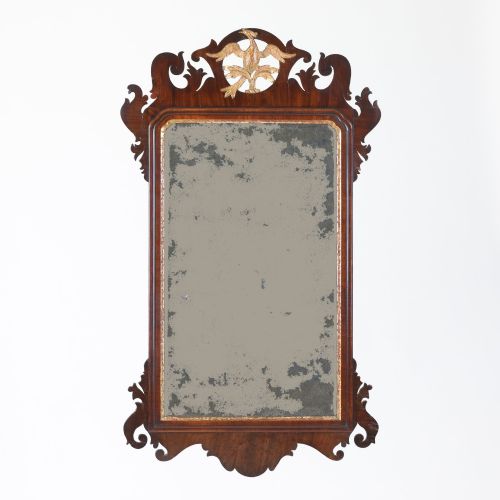
Many designs incorporate giltwood accents or complete gilding, applying gold leaf over prepared wooden surfaces to highlight carved details like the traditional Ho-ho bird. Mirror glass is set within the rebated frame, with bevel-edged variants appearing in later revival pieces.
Vintage Fret Mirror Retail Price Guide 2026
Typical asking prices for vintage fret mirror among the pieces listed under this phrase on Sellingantiques today, from the lower quarter to the upper quarter. They describe what is for sale here now, not the wider market.
Keep an eye out for the occasional carved Ho-ho bird perched atop the crest, keeping silent watch over centuries of reflection.
Qualities that distinguish the selection
The refinement of the fret-cut piercing dictates visual success, separating sharp, deeply contoured scrollwork from softer, more rounded cutting. Crisp execution in the woodworking demonstrates the maker's control over the grain and the saw.
The choice of primary timber and secondary veneers influences depth of tone, with richly figured mahogany and figured walnut sitting at the upper end of the scale. Surviving original gilding and intact mirror plates further elevate the stature of an individual piece.
The Vintage Fret Mirror Glossary
- Fret-cut
- Woodwork pierced with decorative patterns using a fine scroll saw or fretsaw. This technique creates the characteristic openwork silhouettes found on the outer edges of the frame.
- Giltwood
- Timber that has been coated with gold leaf or gold paint for decorative effect. It frequently highlights crests and ear pieces on Georgian and revival frames.
- Ho-ho bird
- A mythical Chinese phoenix motif commonly carved onto the crests of mid-18th-century mirror frames. It adds a distinct oriental flourish to classical English designs.
- Overmantel mirror
- A wide mirror designed to hang specifically above a fireplace mantelpiece. Some examples incorporate fretted woodwork and multiple glass panels.
- Georgian Revival
- A design movement spanning the late 19th and early 20th centuries that faithfully copied 18th-century forms. These pieces utilise period timber and traditional hand-cutting methods.
Vintage Fret Mirror: Frequently Asked Questions
Are 18th-century mirrors different from 1920s revival pieces?
Authentic 18th-century examples display period-specific timber patination, hand-beveled glass variations, and construction traits consistent with Georgian cabinetmaking. Revival pieces made around 1920 often feature crisper mechanical sawing and machine-beveled glass while imitating the older styles.
Examining the fixings, timber shrinkage, and backboards usually clarifies whether a piece is an original Georgian work or a later revival.
What is the best way to clean the wooden frame?
Dusting gently with a dry, soft microfiber cloth prevents the accumulation of dirt within the intricate pierced scrollwork without harming the finish. Avoid using liquid polishes or damp cloths on giltwood or delicate wooden surfaces, as moisture can lift the gilding or stain the timber.
Professional conservation care is recommended if the finish requires deeper cleaning or stabilization.
Where should I place a fret mirror in my home?
These wall-hanging pieces suit traditional entryways, living rooms, and dining spaces where their vertical proportions can reflect light and anchor wall space. Placing them opposite a window maximises the natural illumination they bring into the room.
Ensure the location avoids excessive direct sunlight and moisture fluctuations to protect the wooden frame and silvered mirror glass.