


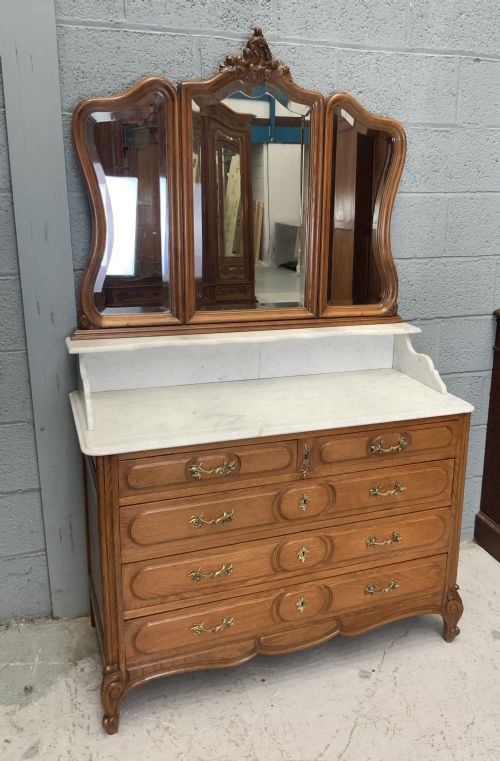


Vintage French Washstand
A vintage french washstand brings genuine utility and continental character to a room, offering practical marble surfaces and thoughtful storage.
Vintage French Washstand
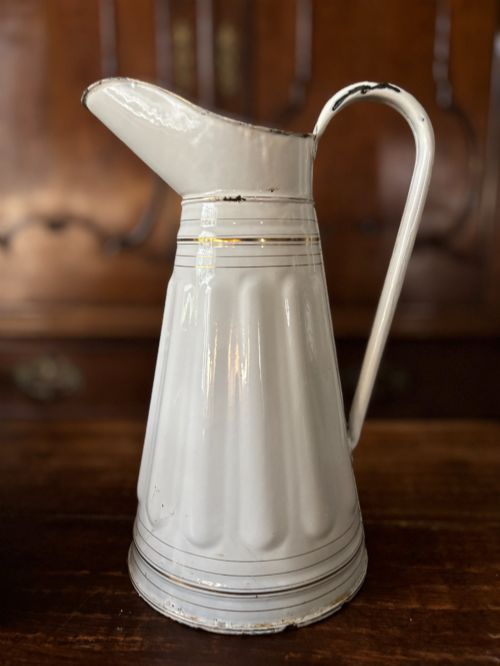
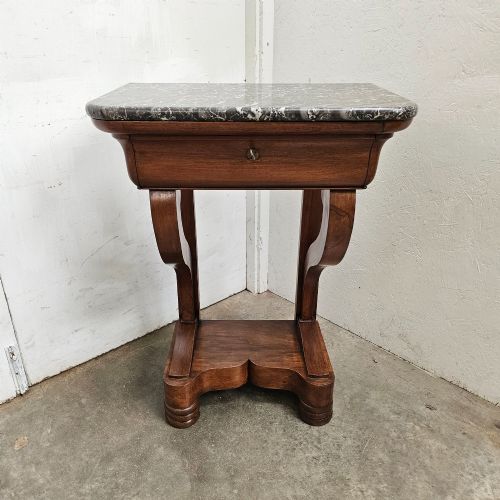
When you search for a vintage french washstand, you encounter a variety of practical furniture pieces designed for personal ablutions and bedroom storage across the nineteenth and early twentieth centuries. The selection on this page ranges from traditional marble-topped washstands and commodes to dressing tables, bedside cabinets, and specialised maritime vanity units. These items reflect domestic life and travel in periods spanning from the late nineteenth century through the art deco era of the nineteen-thirties.
The versions you are most likely to meet combine functional stone surfaces with timber cabinetry or forged metal frames. Pieces date across several decades, including nineteen-hundred, nineteen-ten, nineteen-twenty, and the eighteen-nineties, capturing distinct regional tastes such as French provincial, faux bamboo, and rococo revival styles. Walnut, oak, pine, and mahogany form the structural backbone of these domestic furnishings, frequently paired with fitted marble tops.
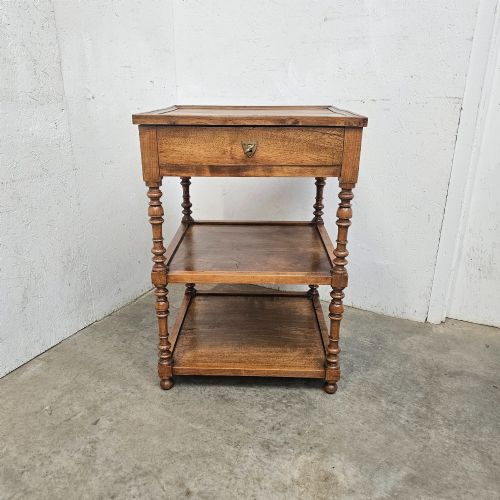
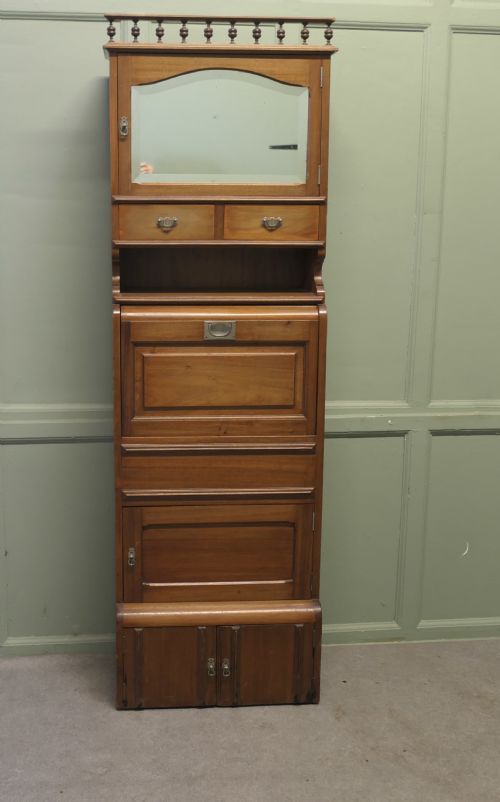
Beyond standard washstands, the category encompasses related bedside tables, chests of drawers, and etageres that served similar functional roles in period bedrooms. Whether built for a chateau or a yacht, each piece demonstrates the adaptability of continental furniture design. Buyers find that these items integrate naturally into modern interiors as decorative consoles or functional side tables.
How they were made
The construction of these pieces relies on traditional cabinet-making timbers such as walnut, oak, mahogany, pine, and painted wood. Artisans shaped these materials using techniques including turned-leg joinery, panel carving, and specialised framing suitable for supporting heavy stone elements. Ironwork also appears in forged metal frames, providing a sturdy structural skeleton for wash stands.
Vintage French Washstand Retail Price Guide 2026
Typical asking prices for vintage french washstand among the pieces listed under this phrase on Sellingantiques today, from the lower quarter to the upper quarter. They describe what is for sale here now, not the wider market.
Listings feature items built from walnut, oak, pine, mahogany, and painted wood, frequently paired with stone and brass elements.
What varies in quality
The distinction between tiers of quality rests on the selection of raw materials and the execution of carved or turned details. Pieces incorporating high-grade marble tops and dense hardwoods like walnut or quarter-sawn oak represent a higher standard of craftsmanship than simpler pine or painted wood variants. The integration of functional hardware, such as brass fittings and well-fitted drawers, further differentiates the build.
Stylistic ambition also divides the range, separating straightforward utilitarian wash stands from elaborate items featuring rococo revival carving or specialised marine engineering. The precision of the joinery and the harmonious balance between stone and timber determine the overall success of each individual piece.
The Vintage French Washstand Glossary
- Washstand
- A piece of furniture designed to hold a basin and pitcher for washing, frequently fitted with a marble top to protect the wood. These items formed an essential part of the bedroom before plumbed bathrooms became standard.
- Marble
- A metamorphic rock prized for its cool, water-resistant surface and decorative veining. It was commonly selected for the tops of wash stands and commodes to resist splashing.
- Etagere
- An open piece of furniture consisting of a series of shelves supported by columns or uprights. It provides display space for decorative objects or toiletries.
- Commode
- A low chest of drawers or a cabinet functioning as a decorative storage piece. In continental usage, the term often describes sophisticated bedroom cabinetry.
- Faux Bamboo
- A decorative technique where wood is carved or painted to resemble natural bamboo stalks. This style gained popularity during the Victorian era and influences furniture lightness.
- Art Deco
- A design style emerging in the early twentieth century characterised by sleek geometric lines and modern materials. It represents a departure from earlier ornate revival periods.
Vintage French Washstand: Frequently Asked Questions
What is a french washstand?
A french washstand is a traditional piece of bedroom furniture originally built to hold washing basins and water jugs before modern plumbing. They typically feature a durable marble top and wooden cabinetry below for storing linens or toiletries.
Today, these versatile items find new life in modern homes as hallway consoles, bathroom vanity bases, or decorative side tables that add historical character to a room.
How do I clean a marble top?
Cleaning marble requires gentle methods to protect the polished stone surface from etching and staining. Use warm water and a mild, pH-neutral soap with a soft cloth, avoiding abrasive cleaners or acidic substances like vinegar and lemon juice.
Wiping the surface dry immediately after use prevents water spots and maintains the natural lustre of the stone over years of daily living.
Can I use a washstand as a bathroom vanity?
Many buyers adapt vintage washstands for modern bathrooms by mounting a basin on the marble top and routing plumbing through the wooden cabinet below. The stone surface provides a naturally water-resistant counter that handles splashes well during daily routines.
Working with a qualified plumber ensures proper installation while preserving the historical integrity and structural balance of the antique cabinetry.
What woods were used in these pieces?
Cabinet makers utilised a range of domestic and imported timbers depending on the period and the regional workshop. Walnut, oak, mahogany, and pine form the primary structural materials seen across these listings, sometimes finished with paint.
Hardwoods like walnut and oak offered greater strength for supporting heavy stone tops, while softer woods like pine were often utilised for internal framing or secondary surfaces.