
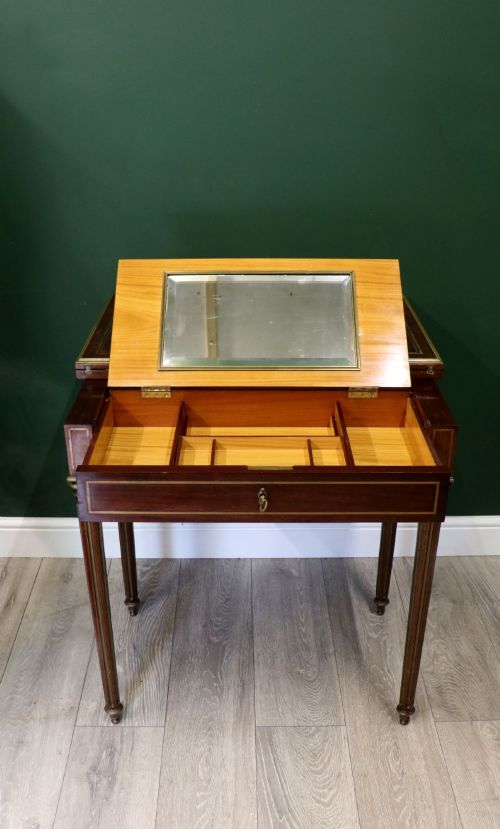
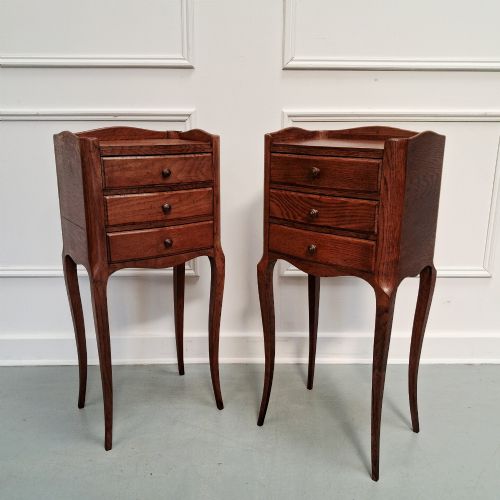
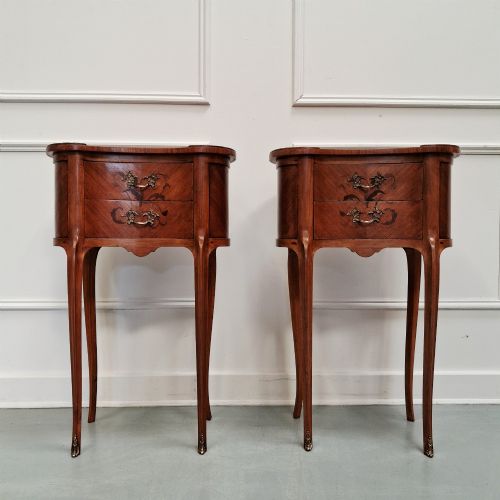
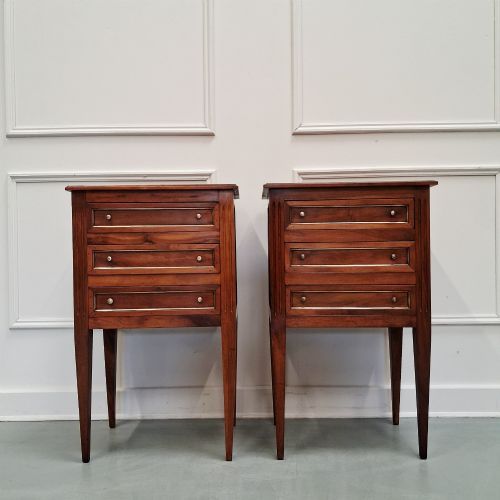
Vintage French Cabinet
A vintage french cabinet brings continental elegance to any room, offering practical storage through beautifully detailed woodwork and marble.
Vintage French Cabinet
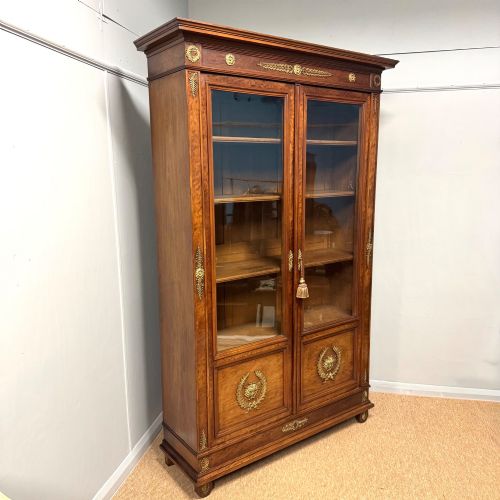
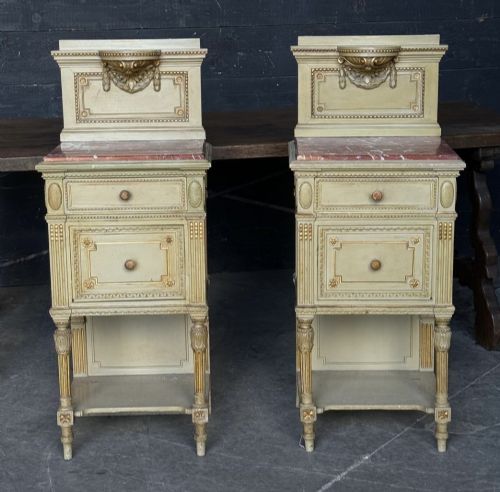
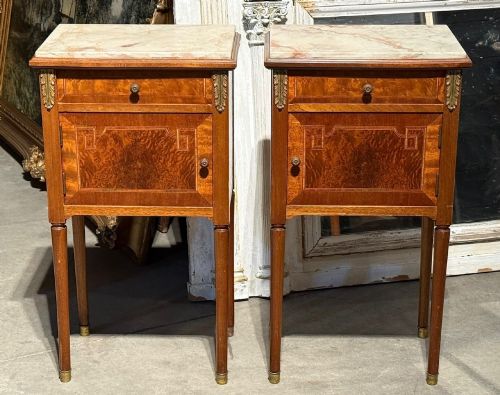
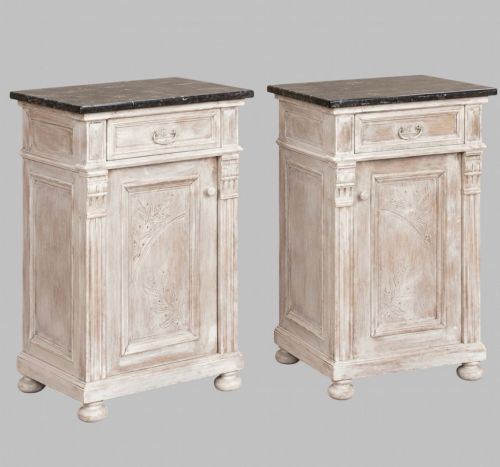
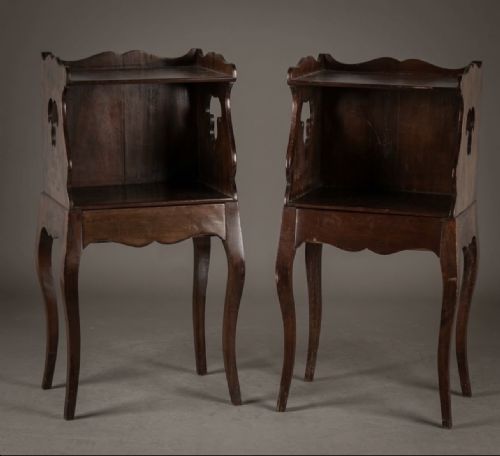
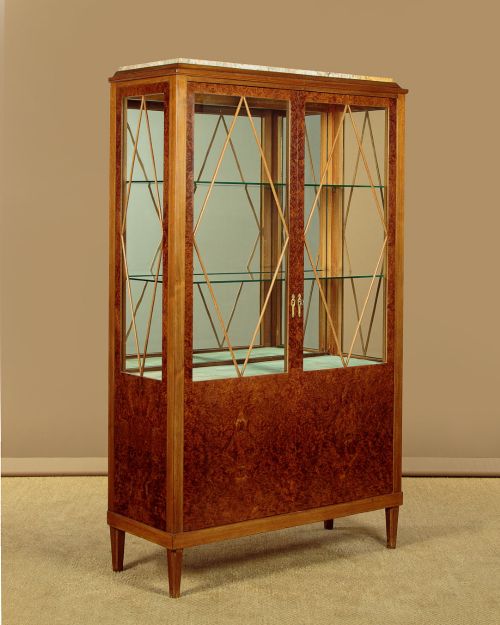
A vintage french cabinet encompasses diverse forms ranging from bedside tables and commodes to display vitrines and bookcases. Buyers searching for a vintage french cabinet frequently encounter pieces from the nineteenth and twentieth centuries, reflecting enduring design revivals.
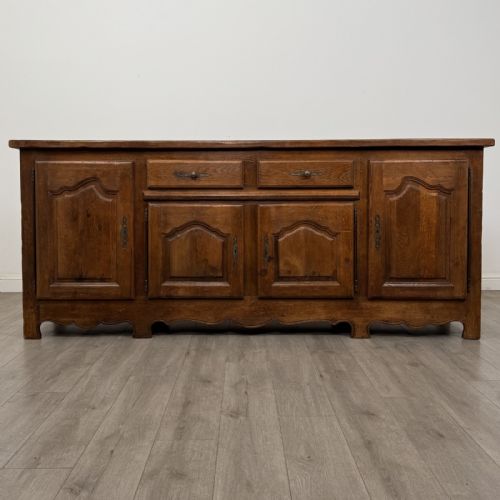
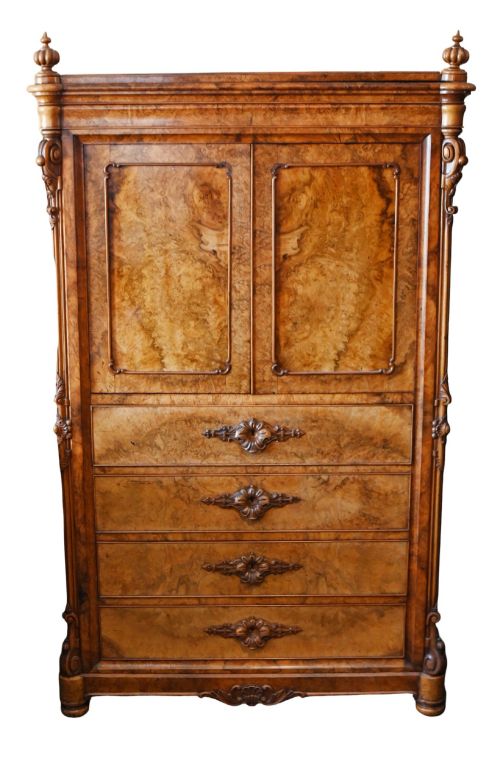
The selection includes regional expressions such as French Provincial alongside polished revival styles like Louis XV and Louis XVI. Functional types span from intimate nightstands to large wardrobes and side cabinets designed for practical domestic use.
Origins trace through various historical periods, including the Victorian era, the 1920s, and the 1930s. Each object carries distinct stylistic markers tied to its specific decade of production.
How they were made
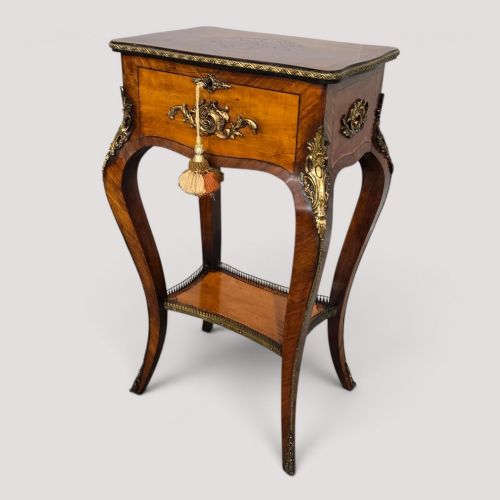
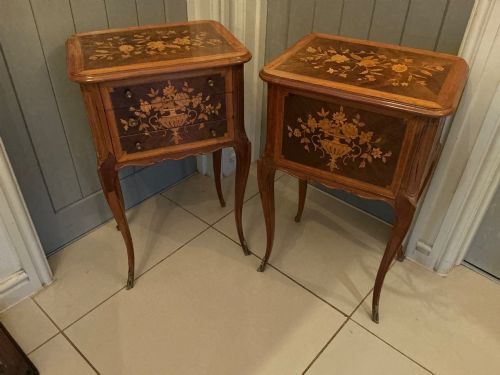
Cabinet makers utilised traditional timber framing techniques, selecting solid woods such as walnut, mahogany, oak, satinwood, and pine. Marquetry inlay work and painted finishes frequently decorated the exterior surfaces of these pieces.
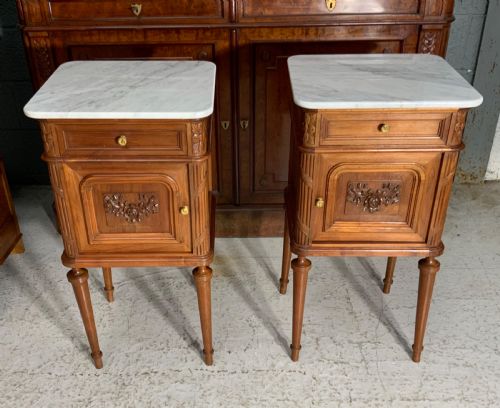
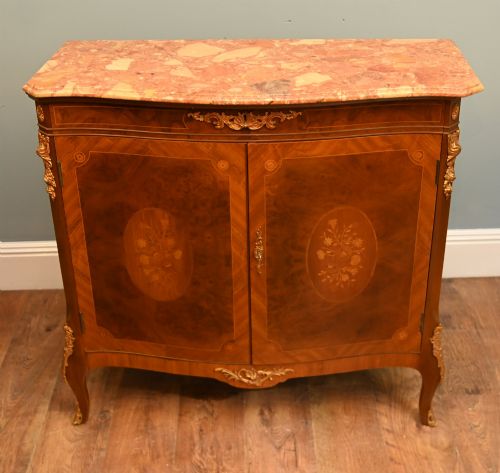
Many cabinets incorporate fitted slabs of grey or rouge marble to the top surfaces, paired with cast brass or ormolu mounts. Glass doors, mirrored panels, and brass hardware complete the construction of display and bedside units.
Cabinets span multiple eras, from eighteenth-century commodes to twentieth-century art deco bar carts.
What varies in quality
The sophistication of the timber work and the precision of marquetry inlay set individual pieces apart. Hand-chiselled ormolu mounts and authentic period marble tops distinguish finer examples from standard production items.
Structural integrity, the retention of original hardware, and the subtlety of painted or polished finishes dictate the overall calibre of a cabinet. Maker attribution further separates standard workshop items from exceptional studio pieces.
Jacques Bircklé·François Linke
The Vintage French Cabinet Glossary
- Commode
- A low chest of drawers or cabinet originating in France. They often feature decorative marble tops and intricate wood veneers.
- Vitrine
- A glass-fronted cabinet used for displaying porcelain, curiosities, or books. These pieces protect delicate objects while offering clear visibility.
- Ormolu
- Gilt bronze mounted onto furniture as decorative hardware or feet. This technique adds metallic contrast to polished timber surfaces.
- Marquetry
- Decorative patterns formed by fitting small pieces of wood veneer onto a structural base. Cabinet makers used contrasting timbers to create pictorial designs.
- Bijouterie
- A low glass-topped display table designed for small precious items. These tables sit on slender legs and often feature glazed viewing panels.
Vintage French Cabinet: Frequently Asked Questions
How do I date a cabinet?
Dating relies on identifying stylistic revival markers, construction methods, and materials typical of specific decades. Nineteenth-century pieces often display heavy walnut framing, whilst 1930s examples lean towards streamlined art deco geometries.
Examining internal secondary timbers and hardware fastenings provides further clues to the manufacturing era. Comparing the piece against documented cabinet maker signatures helps narrow down the production period.
Are marble tops original?
Original marble tops generally fit snugly within the wooden rebates of the cabinet frame and match the proportions of the base. Grey and rouge varieties were standard choices for specific revival periods.
Inspect the underside of the stone and the supporting wooden gallery for consistency in wear and age. Replacements often show mismatched edges or modern cutting marks.
Where should I place a vitrine?
A vitrine suits drawing rooms or living spaces where its glass panels can showcase decorative objects safely. Positioning the cabinet away from direct sunlight protects vulnerable interior wood finishes and displayed items.
Ensure the floor is level so the glazed doors hang true and open without binding against the frame. Adequate clearance around the piece allows comfortable access to shelved interiors.
How do I maintain wood finishes?
Maintenance involves dusting with a soft, dry cloth and occasionally applying appropriate natural wax to nourish polished timber. Avoid placing cabinets near heat sources that might dry out the wood and cause veneer to lift.
Protect marble surfaces from acidic spills by using coasters and wiping moisture promptly. Gentle care preserves the historical patina developed over decades of use.