





Vintage Folk Object
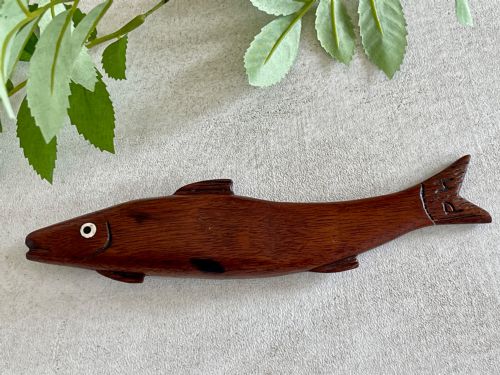
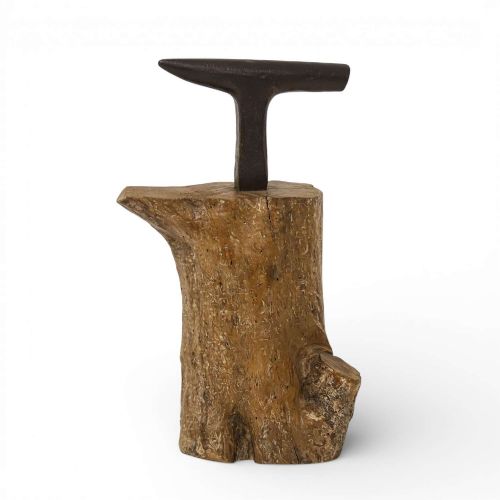
These vintage folk object pieces bring direct domestic and working life into a room through hand-carved wood, tin and shell.
Vintage Folk Object
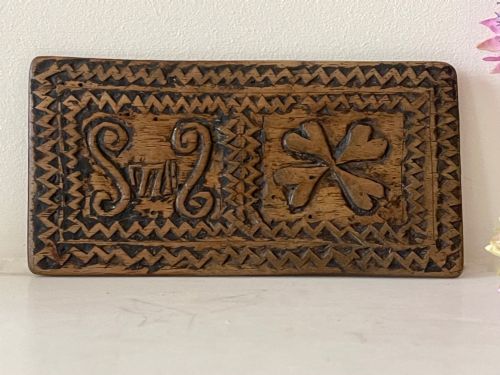
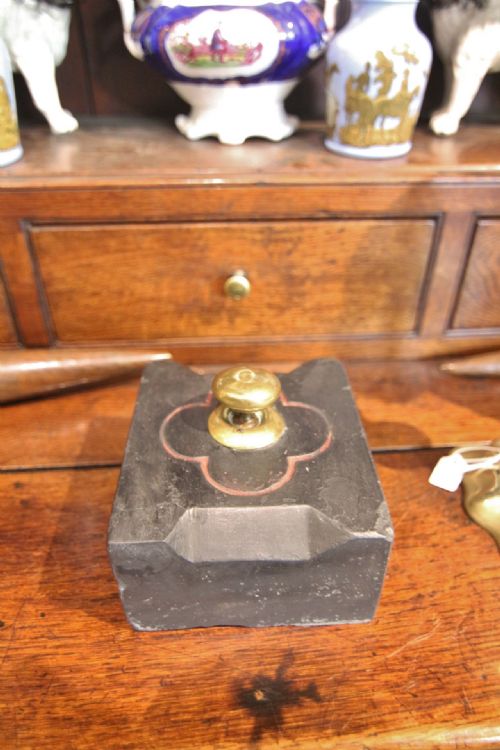
When you search for a vintage folk object, you meet items made by hand for everyday use, utility or amusement rather than formal fine art. The examples here span Georgian, Victorian and early twentieth-century periods, showing how makers shaped domestic and working materials into practical forms.
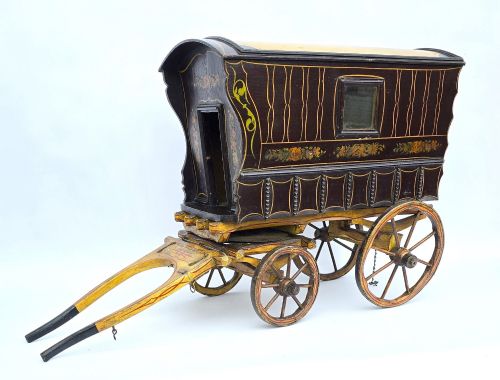
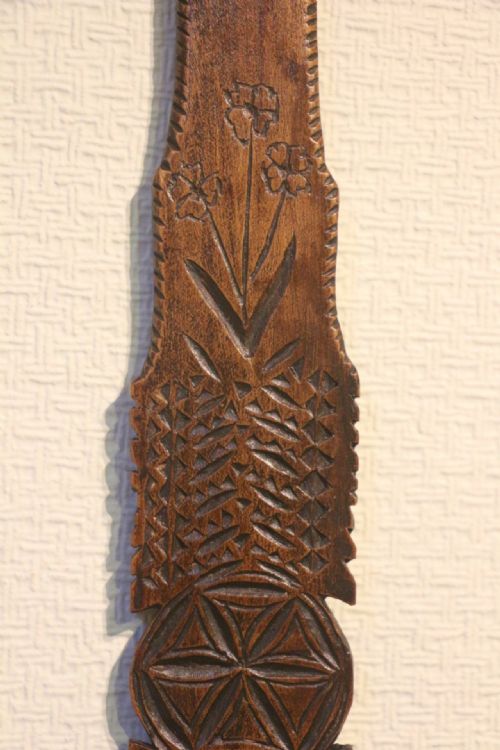
You are most likely to encounter treen, carved treen nutcrackers, small wooden sculptures, toys and games, and decorative domestic containers. Many pieces originate from British and French workshops, ranging from functional tools like distaffs and knitting sheaths to whimsical figures and scratch-built models.
The form of a vintage folk object often reveals its primary purpose, whether that is cracking nuts, measuring meal, entertaining children or displaying shellwork. These items carry the marks of individual hands and regional habits from the nineteenth and early twentieth centuries.
How they were made
Makers shaped these pieces primarily from wood, selecting local timbers such as fruitwood, hardwood and burr birch for durability and grain. Hand-carving, turning on simple lathes and gouging defined the production of treen and sculptural figures.
Other materials appear alongside timber, including painted finishes, metal components in tin donation boxes and delicate parchment or shell arrangements in dioramas and grottos. Simple iron fixings and surface pigments completed objects that needed to withstand daily handling.
Vintage Folk Object Retail Price Guide 2026
Typical asking prices for vintage folk object among the pieces listed under this phrase on Sellingantiques today, from the lower quarter to the upper quarter. They describe what is for sale here now, not the wider market.
Materials across the selection include hardwoods, fruitwoods, burr birch, painted surfaces, tin metal, glass, parchment and natural shells.
What varies in quality
Quality in these pieces rests upon the confidence of the carving and the integrity of the surviving surface. Objects shaped with sharp, decisive strokes show greater artistic engagement than hesitant or purely mechanical work.
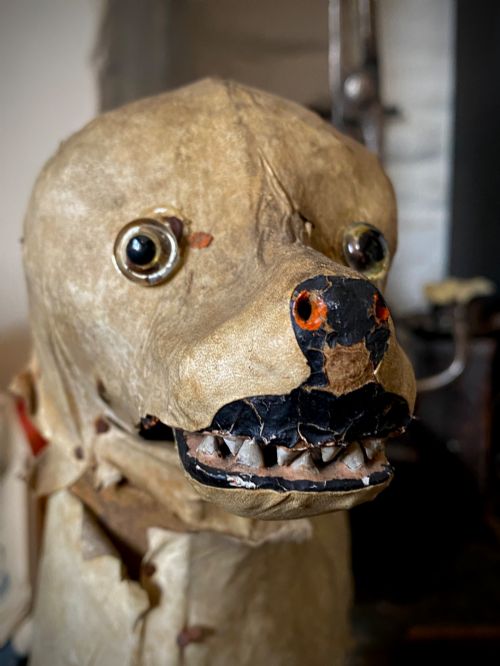
The preservation of original paint, untouched wood patination and working mechanical elements like pop-out eyes or opening mouths elevate an example. Wear from genuine handling should integrate cleanly with the original structure without obscuring the maker's intent.
R.D. Roberts
The Vintage Folk Object Glossary
- Knitting sheath
- A carved wooden holder tucked into a belt or apron strings to steady a knitting needle. They often bear intricate personal carvings or initials.
- Distaff
- A staff that holds wool or flax during spinning. Traditional folk examples feature decorative turned or carved shafts.
- Bilboquet
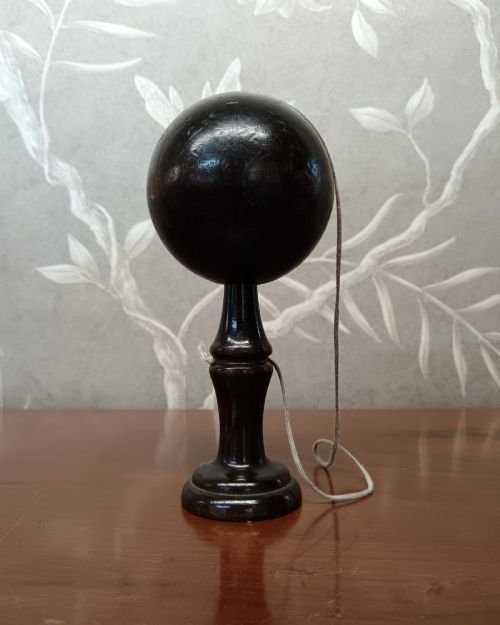
- A traditional cup and ball game of dexterity. Players attempt to catch the swinging ball in the cup or on the spike.
- Shell grotto
- A decorative arrangement of small seashells fixed inside a box, frame or container. Victorian makers constructed them as whimsical interior ornaments.
- Sailors fid
- A conical wooden tool used for splicing rope aboard ships. Sailors often carved them during long voyages.
Vintage Folk Object: Frequently Asked Questions
What is a folk object?
A folk object is a utilitarian or decorative item made outside formal academic traditions, often by self-taught makers or local craftspeople. These pieces include household tools, toys and carved figures intended for daily life.
They reflect the regional materials and cultural habits of their period, carrying distinct individual character rather than following strict factory patterns.
How were treen objects used?
Treen items served everyday functions in the historic home, from preparing food and serving meals to sewing and spinning. Pieces like apple corers and nutcrackers made domestic chores easier.
Over decades of handling, the wood developed a smooth, warm finish known as patination, recording the physical interaction between user and tool.
How do I date carved wooden pieces?
Dating relies on tool marks, timber selection, wear patterns and style. Georgian and Victorian items often show evidence of hand-tooling rather than modern high-speed machinery.
Comparing construction methods with dated vernacular pieces helps narrow down the decade or century of origin.
How do I care for antique wood and shell?
Keep wooden and shell objects away from direct heat sources and strong sunlight to prevent timber splitting and adhesive failure. Stable indoor humidity protects both the structure and the surface finish.
Dust gently with a dry, soft cloth and avoid modern chemical polishes that can damage historic patination or delicate shellwork.