


Vintage Folk Art Toy
A vintage folk art toy brings tactile history into a room, offering handmade wooden figures, rocking horses, and kinetic whirligigs shaped by unknown hands.
Vintage Folk Art Toy
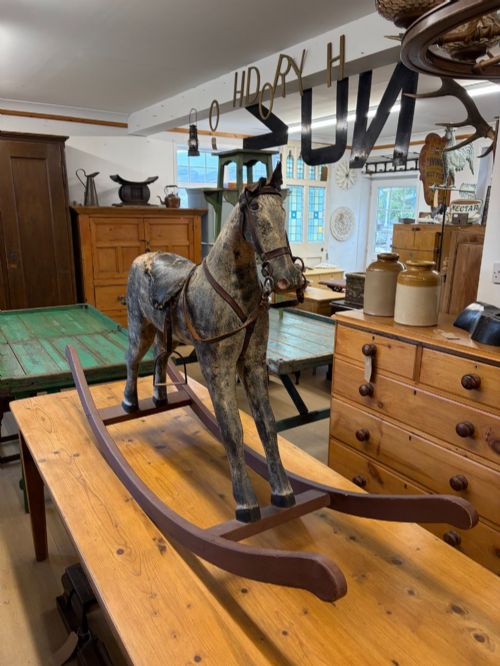
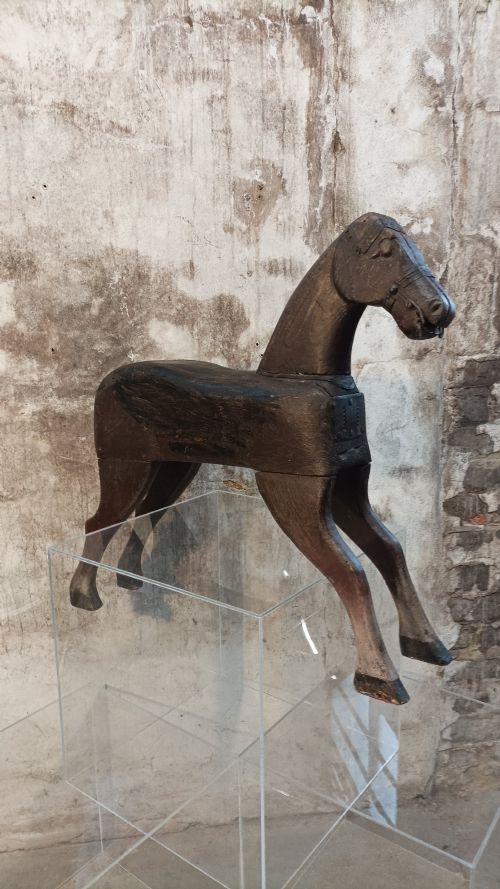
When searching for a vintage folk art toy, collectors encounter handmade objects of amusement and display originating mainly from the nineteenth and early twentieth centuries. These pieces encompass carved wooden horses, rocking horses, jointed marionettes, pull toys, and moving wind-driven whirligigs.
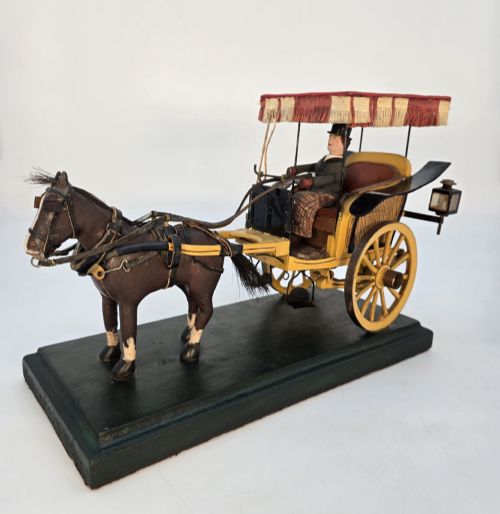
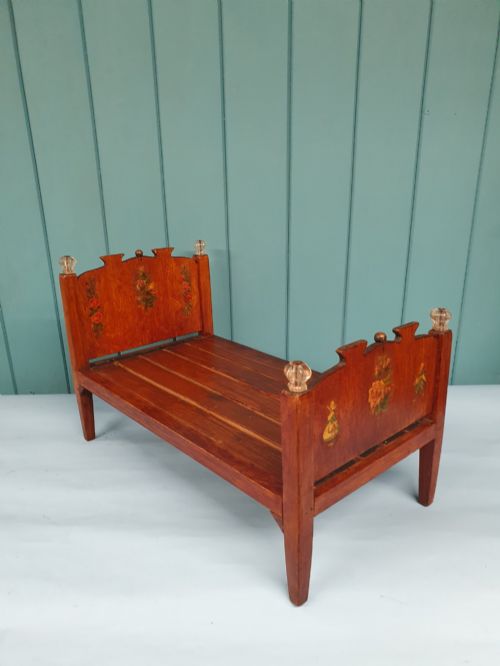
The selection here leans heavily toward equine sculptures and rocking horses alongside mechanical toys, miniature beds, and educational blocks. Such items reflect domestic play and vernacular craftsmanship across Georgian, Victorian, and early twentieth-century periods.
Most examples display the marks of domestic workshop production rather than industrial manufacturing. Their survival demonstrates how ordinary playthings were kept, used, and valued over generations.
How they were made
Makers relied primarily on native woods such as pine, shaping them with hand tools through carving, whittling, and simple joinery. Iron, metal, leather, and horsehair appear as secondary materials for structural pivots, reins, and manes.
Surfaces were frequently finished with layers of oil paint or ebonisation, often applied directly to the bare timber. Over decades, this paint developed natural wear, flaking, and patination that reveal the age of the object.
The listings span the nineteenth century through the 1930s, featuring carved pine, iron, leather, and horsehair across various naive forms.
What varies in quality
The distinction between ordinary and exceptional pieces rests upon the boldness of the carving and the character of the painted surface. A naive proportion executed with confidence carries greater visual presence than a hesitant copy.
Original untouched paint surfaces elevate an object above those stripped or heavily restored in later years. The retention of working mechanical elements in toys like whirligigs or balance mechanisms also dictates the desirability of the piece.
The Vintage Folk Art Toy Glossary
- Folk art
- Objects created by self-taught or untrained makers outside academic artistic traditions. These works prioritize utility, directness, and regional style over classical proportions.
- Whirligig
- A wind-powered kinetic toy featuring moving parts such as arms or propellers that rotate in a breeze. They were often placed in gardens or rooftops to animate rural landscapes.
- Treen
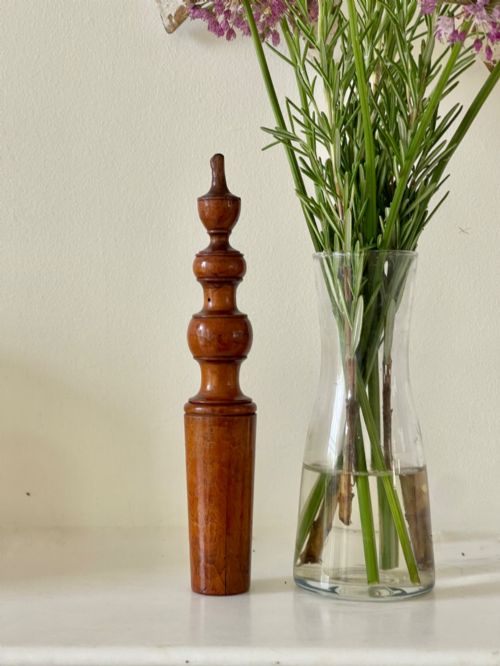
- Small handmade wooden household objects and playthings shaped by turners and joiners. The term derives from the old word for tree.
- Bilboquet
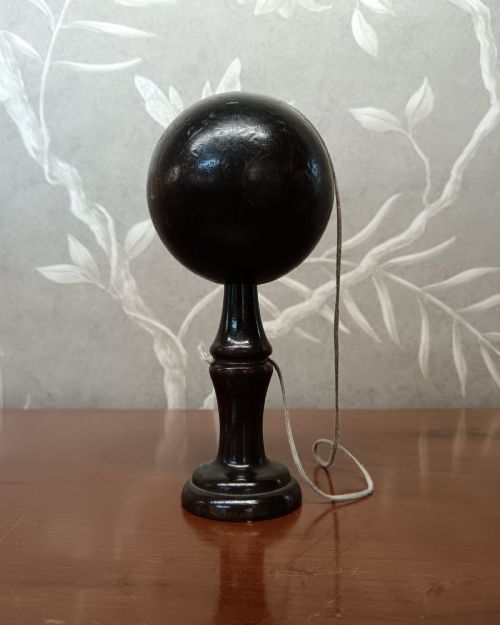
- A traditional game consisting of a ball attached by a string to a cup or spike, designed to be caught through dexterity. It tests hand-eye coordination using simple turned wood.
- Primitive
- A descriptive term for early or vernacular craftsmanship lacking sophisticated academic perspective. It denotes direct construction methods typical of rural domestic life.
Vintage Folk Art Toy: Frequently Asked Questions
What is a jigger doll?
A jigger doll is a kinetic wooden figure attached to a flexible strip or board, designed to dance or jig when the surface is tapped or vibrated.
These mechanical toys were popular entertainment items in the nineteenth and early twentieth centuries, often depicting distinct characters like top-hatted gentlemen.
How do I care for wooden toys?
Keep wooden toys away from direct sunlight and fluctuating humidity to prevent the timber from splitting or warping. Avoid using modern chemical polishes on old painted surfaces.
Dust gently with a dry, soft cloth to preserve the original patination and pigment.
Are these toys meant for children?
While originally constructed for play, most surviving examples now function as decorative sculptures and collector's items. Their age and fragile painted surfaces mean they suit display rather than active use.
Handling them with care ensures the delicate joints and historic finishes remain intact.