






Vintage Folio Stand
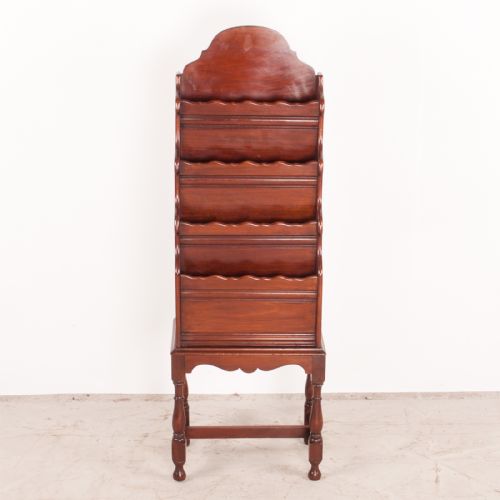
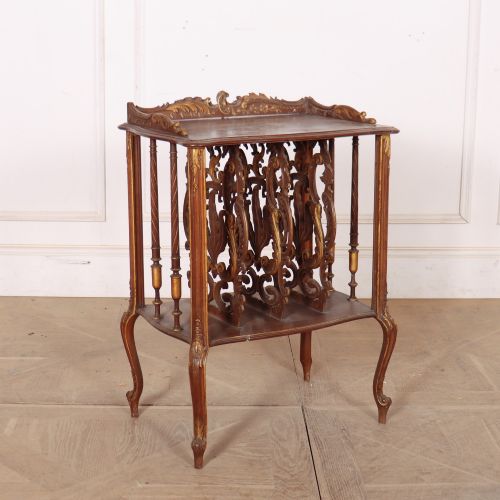
These vintage folio stand pieces are architectural furniture built to hold large papers, prints and drawings, offering both practical utility and classic period presence.
Vintage Folio Stand
A vintage folio stand is a specialist piece of furniture designed to display and store large books, art portfolios, and architectural drawings. When browsing these items, a buyer is most likely to encounter classic timber versions originating from the Regency period through to the early twentieth century.
The selections on this page span several distinct eras, including Regency, Georgian, and late nineteenth-century interpretations like French Rococo Revival and Georgian Revival. Alongside dedicated folio stands, related forms such as magazine racks, canterburys, and music stands appear frequently within the inventory.
Makers utilised various traditional furniture formats to solve the problem of storing oversized paper goods without creasing them. Pieces range from adjustable artist picture racks to large country house proportions built for domestic libraries and studies.
How they were made
Cabinet makers constructed these stands predominantly using dense hardwoods such as mahogany, walnut, and rosewood, ensuring the frame could support heavy paper loads. Oak also appears among the material choices for sturdier country house examples.
Metal components played a crucial role in functional pieces, with brass fittings utilised for adjustable mechanisms, hinges, and castors. Gilt details occasionally accent the woodwork on more decorative revival styles.
Vintage Folio Stand Retail Price Guide 2026
Typical asking prices for vintage folio stand among the pieces listed under this phrase on Sellingantiques today, from the lower quarter to the upper quarter. They describe what is for sale here now, not the wider market.
What varies in quality
The distinction between ordinary and exceptional examples rests on the scale of the timber and the sophistication of any mechanical adjustments. Grand proportions and clever engineering for adjustable racks separate high-end workshop output from standard domestic furniture.
Material selection and fine carving also dictate the grade of a piece, with richly figured rosewood or finely grained mahogany commanding greater attention than plain oak. The integration of robust brass hardware and stable, heavy-gauge frames marks superior construction.
The Vintage Folio Stand Glossary
- Folio stand
- A piece of furniture with upright or sloping sides designed specifically to hold large loose sheets of paper, prints, or maps. They are often built with hinged frames or folding mechanisms.
- Canterbury
- A low stand featuring slatted partitions, originally used for holding sheet music or portfolios. Many versions incorporate a drawer at the base.
- Regency
- An architectural and decorative style spanning the early nineteenth century, characterised by classical restraint and refined proportions. Pieces from this era often display clean lines and dark hardwoods.
- Gilt
- A thin layer of gold leaf applied to wood or metal surfaces for decorative effect. This finish appears on more ornate revival pieces.
- Adjustable
- A mechanism allowing the angle or height of the stand to alter for viewing or working purposes. Brass ratchets are typical components in these designs.
Vintage Folio Stand: Frequently Asked Questions
What is a folio stand used for?
These stands serve as storage and display units for oversized documents, artists' portfolios, and maps. They keep large papers flat and accessible in a study or studio.
Collectors and artists also utilise them to exhibit individual prints or plates without damaging the bindings.
How do I identify a Regency folio stand?
Regency stands typically feature dark timbers like mahogany or rosewood, combined with brass castors and classical proportions. Look for clean architectural lines dating from the early nineteenth century.
They often include subtle reeding or brass stringing rather than heavy carving.
Are these stands adjustable?
Many artist and architect folio stands incorporate ratcheted mechanisms that alter the angle of the display sides. This allows the user to view contents comfortably from a standing position.
Fixed-frame versions remain common in domestic library settings.