


Vintage Floral Jardiniere
A vintage floral jardiniere brings sculptural plant displays indoors, combining period craftsmanship with botanical charm.
Vintage Floral Jardiniere
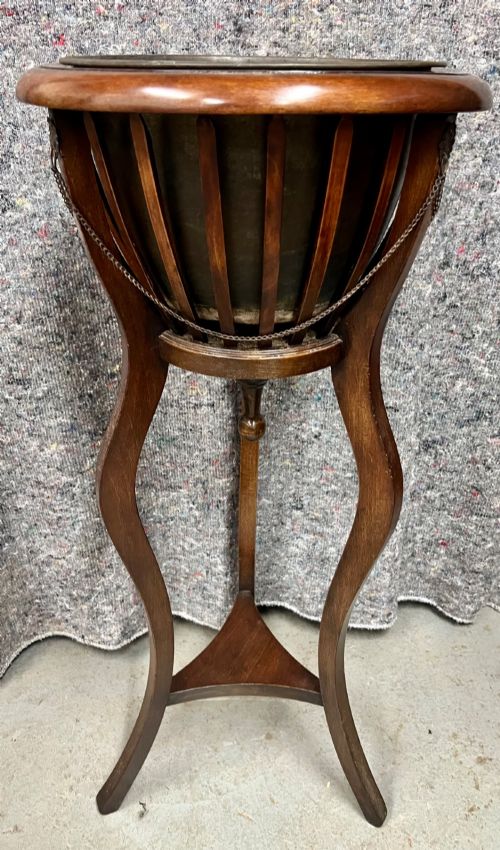
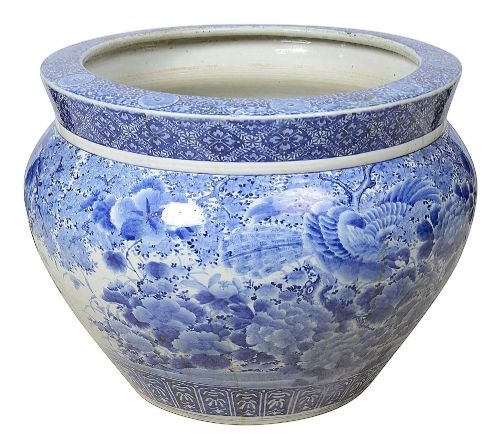
A vintage floral jardiniere encompasses decorative plant holders and stands designed to display greenery within period interiors. Buyers seeking this style encounter vessels ranging from earthenware and porcelain to polished timber frames.
The selections span Victorian and Edwardian aesthetics alongside continental and Asian designs. Many examples incorporate floral motifs through painted glazes, carved woodwork, or detailed enamel work.
Forms include freestanding plant stands, table vessels, and low bowls meant for interior flora. The pieces reflect the domestic tastes of the nineteenth and early twentieth centuries.
Materials and construction methods
Ceramic and porcelain bodies often feature hand-painted floral glazes or transfer printing. These earthenware pieces require careful kiln firing to achieve their finished surfaces.
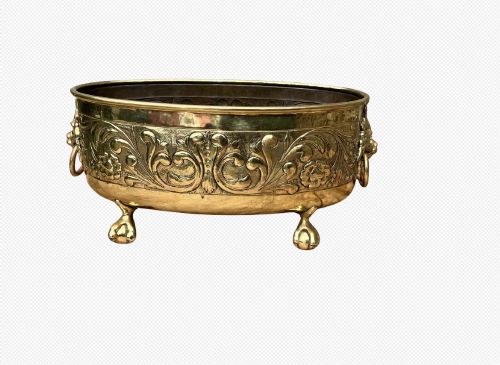
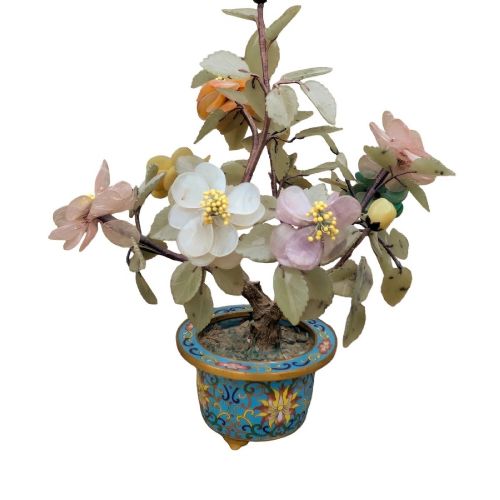
Metal vessels utilise brass, copper, and bronze, sometimes enhanced with cloisonné enamel or incised patterns. Timber stands employ mahogany, satin walnut, and kingwood, frequently shaped with marquetry inlay.
Stoneware iterations from makers such as Doulton demonstrate salt-glazed or textured finishes typical of late nineteenth-century pottery production.
Some heavy bronze bowls weigh over a kilogram, doubling as sturdy vessels for reluctant indoor ferns.
Assessing quality and craftsmanship
Distinction in these pieces lies in the crispness of the decorative detail and the integrity of the materials. Hand-painted ceramic glazes and precise cloisonne wirework indicate higher workshop standards.
Joinery and timber selection dictate the worth of wooden plant stands and jardiniere tables. Solid hardwoods and neat marquetry show superior cabinet-making compared to simpler utility items.
The Vintage Floral Jardiniere Glossary
- Jardiniere
- An ornamental pot or stand designed to hold indoor plants or flowers. These vessels form the central focus of this collection.
- Cloisonne
- A decorative metalwork technique where enamel is applied within compartments created by soldered wire. This method appears on copper and bronze vessels.
- Imari
- A style of Japanese porcelain featuring distinctive blue and red designs upon a white ground. Such pieces reflect international trade influences in period interiors.
- Marquetry
- The art of applying small pieces of veneer to a structure to form decorative patterns. This technique decorates Victorian timber stands.
- Stoneware
- A robust ceramic fired at high temperatures to achieve a vitrified, impermeable body. Doulton works often utilise this durable material.
Vintage Floral Jardiniere: Frequently Asked Questions
What is a vintage floral jardiniere used for?
These vessels serve to house potted plants and floral arrangements inside domestic spaces. They act as decorative furnishings that elevate everyday greenery.
Period examples often include waterproof liners or metal inserts to protect the underlying timber or ceramic structure from moisture during use.
How do I date an antique jardiniere?
Dating relies upon examining the manufacturing materials, maker marks, and stylistic traits. Victorian and Edwardian pieces exhibit distinct aesthetic movements from their respective decades.
Ceramic bottom stamps and metal casting techniques provide further clues regarding the era of production.
Are these planters suitable for outdoor plants?
Most antique jardinieres are intended for interior display rather than garden exposure. Weather extremes can damage delicate glazes, exposed metals, and polished timber veneers.
Protecting the surface from standing water helps preserve the integrity of the antique materials.