



Vintage Flemish Artwork
Vintage flemish artwork brings centuries of European painting tradition into a room, offering rich oil portraits, street scenes and still lifes for the collector.
Vintage Flemish Artwork
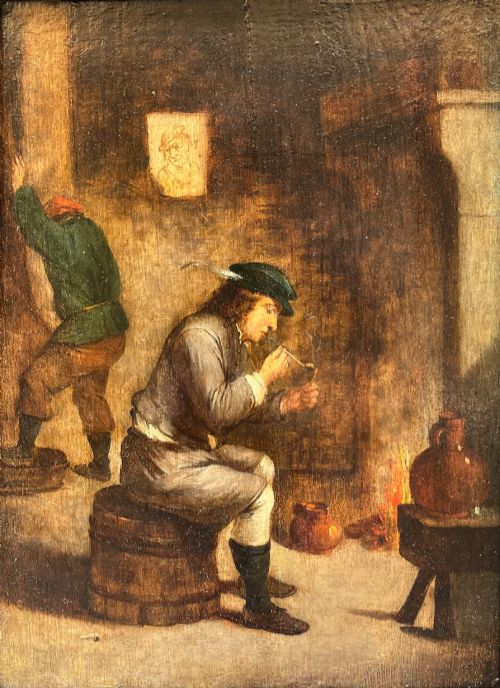
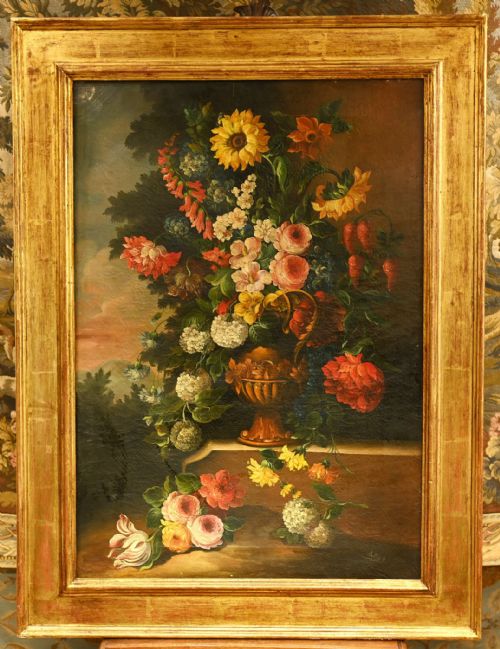
Vintage flemish artwork encompasses oil paintings executed on canvas or wood panels, ranging from seventeenth century compositions to mid-century impressionist pieces. Buyers encounter various subjects, including tavern interiors, floral still lifes, street scenes and portraits executed in historical styles.
The selection includes naive surreal works dated to the early twentieth century alongside pieces created in the manner of seventeenth century masters such as David Teniers. Many works reflect revival movements, echoing northern renaissance or Dutch Golden Age traditions through distinct regional subject matter.
How they were made
These works rely on oil paint applied to prepared canvas or wooden supports, often complemented by gesso ground layers. Framing frequently incorporates gilded wood, framing the oil pigment with traditional decorative borders.
Brushwork varies from the tight, detailed realism of historical revival pieces to the looser application found in mid-century impressionist landscapes. Pigments are layered to build depth in subjects like floral still lifes and figures skating on ice.
Vintage Flemish Artwork Retail Price Guide 2026
Typical asking prices for vintage flemish artwork among the pieces listed under this phrase on Sellingantiques today, from the lower quarter to the upper quarter. They describe what is for sale here now, not the wider market.
What varies in quality
Quality rests in the handling of light, shadow and perspective within the oil medium, alongside the fidelity of period execution. Works demonstrating confident brushwork in complex figural groupings or detailed still lifes stand apart from simpler decorative efforts.
The sophistication of the underlying composition and the articulation of surfaces, whether portraying fabric textures or winter landscapes, determine the standing of an individual painting within the range.
David Teniers·L De Gent·Joachim Bueckelaer·Calzolari·Job de Vogel·Ludolf de Jongh·Louis Smets
The Vintage Flemish Artwork Glossary
- Oil Paint
- A slow-drying paint made by combining pigments with a drying oil, typically linseed oil. This medium allows for rich colour blending and fine detail work.
- Canvas
- A heavy woven fabric used as a surface for oil painting. It is stretched over a wooden frame before pigment is applied.
- Gesso
- A primer mixture consisting of a binder mixed with chalk, pigment, or plaster. It prepares wooden panels or canvas for oil painting.
- Gilded Wood
- Wood decorated with a thin layer of gold leaf or powder. Frames are frequently treated this way to complement oil paintings.
- Still Life
- A painting featuring inanimate subject matter, typically commonplace objects such as flowers, fruit or tableware. Flemish still lifes often emphasise botanical detail.
Vintage Flemish Artwork: Frequently Asked Questions
How do I identify a flemish painting?
Examine the subject matter, which frequently includes tavern scenes, floral compositions, or figures in landscapes. The handling of oil paint on canvas often reflects historical regional styles.
Look for framing in gilded wood and signatures or stylistic markers associated with schools from Ghent and other centres.
What periods do these paintings cover?
The selection spans from the seventeenth century through the nineteenth century and into the mid-twentieth century. Earlier pieces often reference historical masters, while later works adopt impressionist or naive approaches.
Dating relies on canvas preparation, stylistic revival elements, and documented artist dates.
Where were these artworks displayed historically?
Such oil paintings traditionally hung in domestic interiors, merchant houses, and public taverns across Flanders and the Low Countries. They were created to decorate living spaces and demonstrate cultural appreciation.
Today, they function similarly in modern interiors, bringing historical depth to room schemes.
Are these paintings executed on canvas?
Many examples utilise canvas stretched over wooden frames as the primary support for oil paint. Other pieces employ wood panels as a base for the pigment.
Support materials often align with the period of execution, from seventeenth-century panels to twentieth-century canvas supports.