



Vintage Fireplace Guard Seat
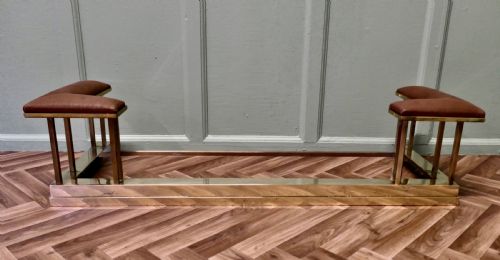
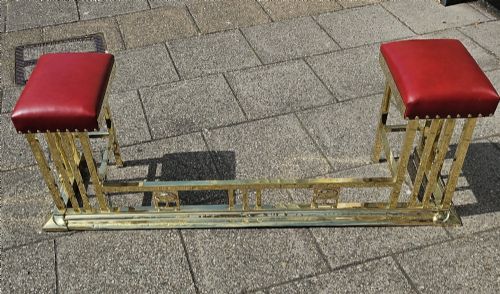
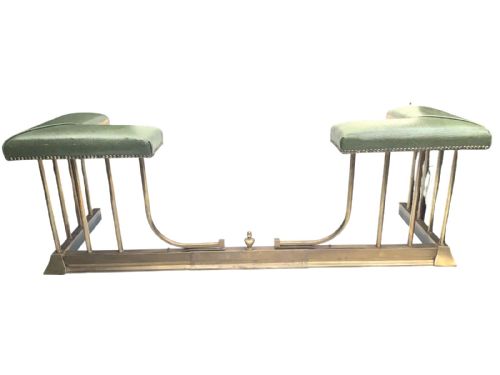
These vintage fireplace guard seat designs combine hearth protection with low bench seating, bringing robust metal and leather frames into sitting rooms.
Vintage Fireplace Guard Seat
When you search for a vintage fireplace guard seat, you are looking at club fenders that span from the Victorian period through the Edwardian era and into the 1930s and 1940s. These pieces combine a low metal guard with upholstered top rails designed for sitting directly beside the hearth.
The versions you are most likely to meet on this page are constructed from brass, iron, or steel frames paired with leather or fabric seats. They frequently appear in traditional English and Art Deco styles, often featuring copper elements or oak timbers.
How they were made
Makers built these frames using heavy structural metals including brass, iron, and steel, sometimes combining brass with copper or mounting steel frameworks upon solid oak. These durable materials withstood intense hearth heat and daily domestic use.
The upper rails received padding and upholstery in leather or fabric, creating a comfortable low bench above the metal base. This combination of structural metalwork and padded seating required precise fitting around standard hearth dimensions.
Vintage Fireplace Guard Seat Retail Price Guide 2026
Typical asking prices for vintage fireplace guard seat among the pieces listed under this phrase on Sellingantiques today, from the lower quarter to the upper quarter. They describe what is for sale here now, not the wider market.
Materials recorded across current pieces include brass, iron, steel, copper, oak, leather, and fabric.
What varies in quality
The distinction between standard examples and the finest pieces rests on the weight of the metal framework and the quality of the upholstery hide. Heavy iron and substantial brass structures paired with thick, well-stitched leather sit at the upper end of the range.
Refinement in decorative metalwork and the integration of secondary metals like copper or structural timbers such as oak also separate simpler utilitarian models from more ambitious country house designs.
The Vintage Fireplace Guard Seat Glossary
- Club fender
- A low-surround hearth guard featuring cushioned bench seating on its upper rails. This form allows people to sit right by the fire while keeping sparks contained.
- Brass
- A yellow copper and zinc alloy utilised extensively for bright hearth frames and decorative fittings. It takes a high polish and resists corrosion.
- Upholstery
- The padded and covered seating portion fitted to the top rail of the fender. Leather is a common durable choice for this application.
- Art Deco
- A design style emerging around the early twentieth century characterised by geometric lines and streamlined metalwork. Pieces from this era often utilise heavy iron alongside tan leather.
Vintage Fireplace Guard Seat: Frequently Asked Questions
What is a club fender?
A club fender is a low metal hearth barrier fitted with upholstered seats along the top rails. It was designed to provide warm seating close to the fireplace.
These pieces typically combine brass, iron, or steel with leather or fabric cushions, serving both as a safety guard and a sociable bench.
How do I date a brass fender?
Dating a brass fender involves examining the construction methods, metal finishes, and prevailing stylistic details such as Victorian or Art Deco motifs. Early twentieth-century pieces often display specific manufacturing marks or typical period proportions.
Comparing the materials, such as the mix of brass and copper or the type of leather upholstery, helps establish the era of manufacture.
Are these fenders safe for use?
These fenders are built with heavy metal frames designed to create a solid barrier around an active fireplace. Their primary historical function was keeping foot traffic and furniture at a safe distance from the hearth.
When placed correctly, the sturdy iron, steel, or brass construction provides reliable protection while offering firm seating.
What maintenance do leather seats need?
Leather-upholstered seats on these fenders benefit from regular cleaning with appropriate leather balms to prevent drying out near heat sources. Gentle conditioning keeps the hide supple over years of use.
Avoiding excessive direct heat and treating the leather with care preserves the original surface texture and stitching.