

Vintage Fine Jewellery Earrings
Vintage fine jewellery earrings span decades of design, offering diamond clusters, coloured gemstones and precious metals crafted for pierced ears.
Vintage Fine Jewellery Earrings
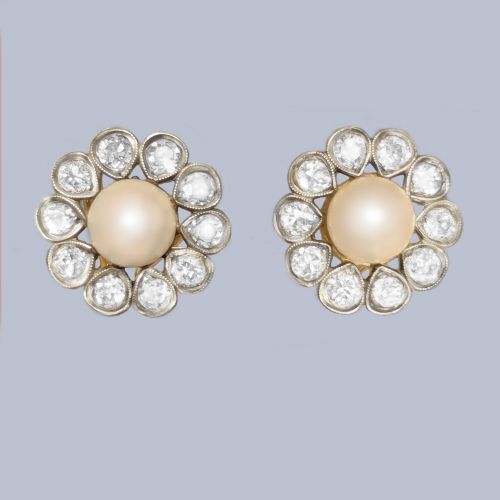
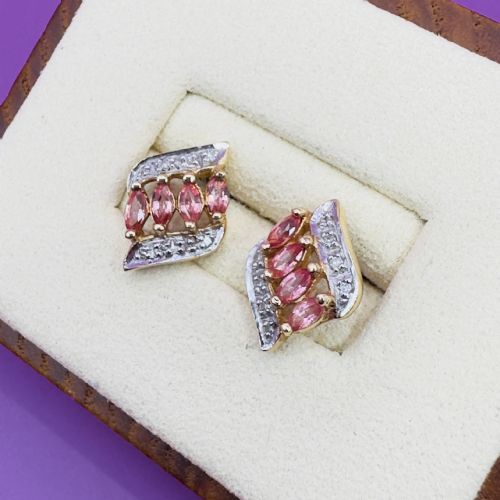
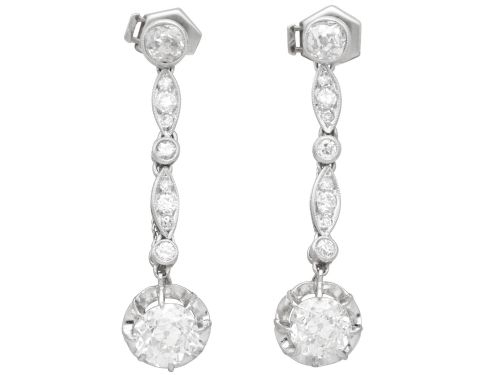
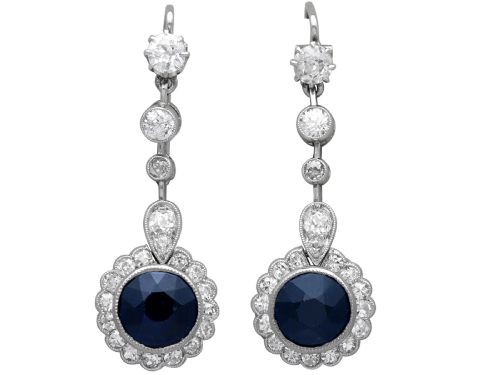
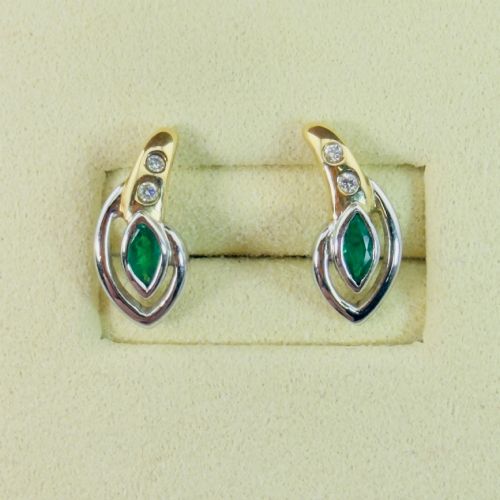
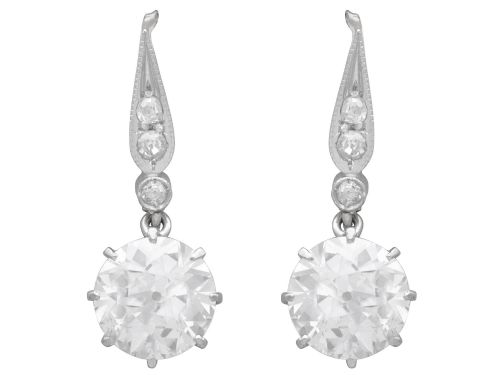
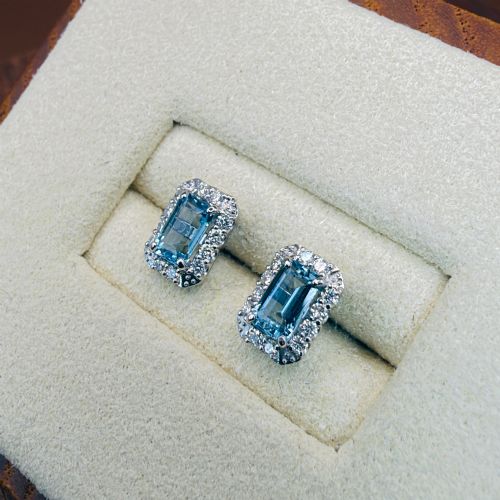
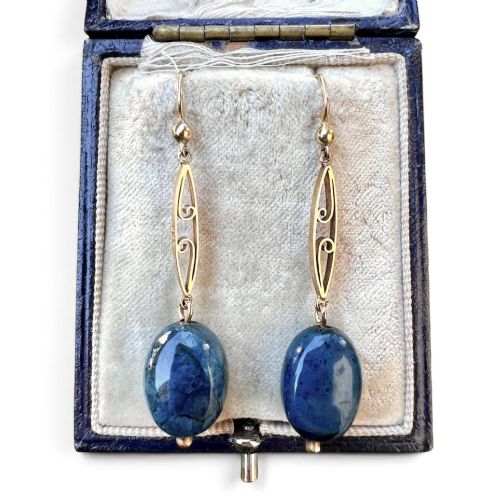
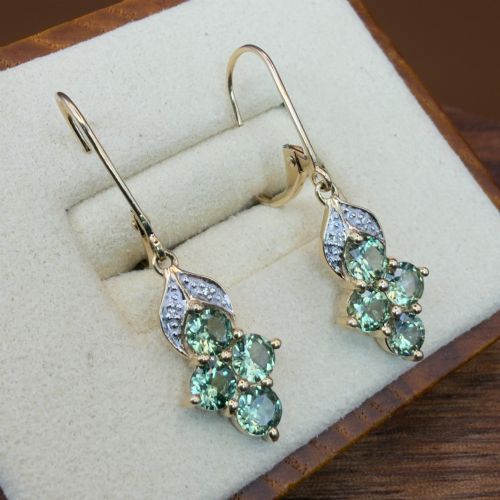
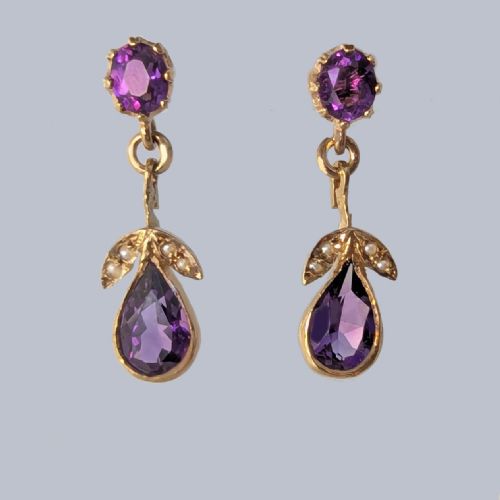
When buyers search for vintage fine jewellery earrings, they encounter a range of forms spanning stud, drop and cluster configurations designed for pierced ears. These pieces draw from periods such as the Edwardian era, the 1920s Art Deco movement, and mid-century modern design. The selection on this page centres on precious metals paired with diamonds, sapphires, emeralds, opals and pearls.
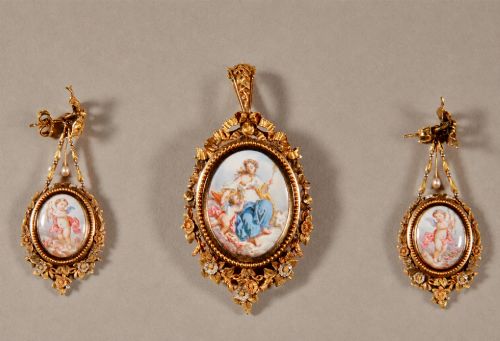
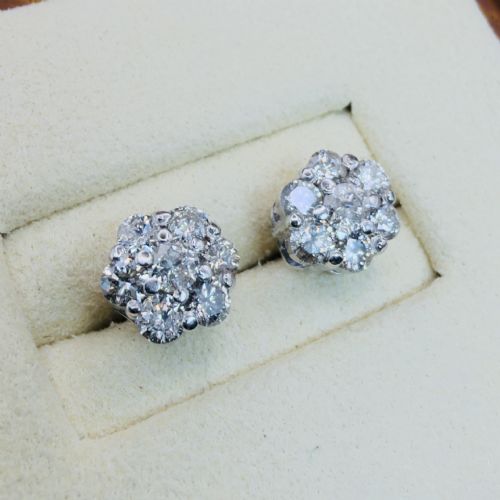
Stud earrings appear frequently alongside drop hinge-back designs and larger jewellery suites that include matching components. Forms range from geometric platinum clusters to filigreed gold frames holding faceted gemstones. Pieces originate across the nineteenth and twentieth centuries, reflecting changing aesthetic preferences through distinct periods of craftsmanship.
Materials and construction methods
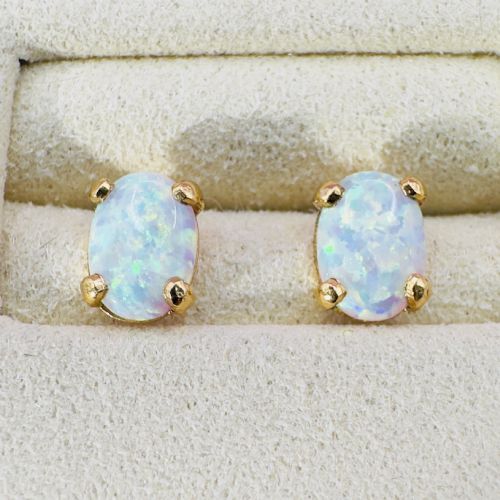
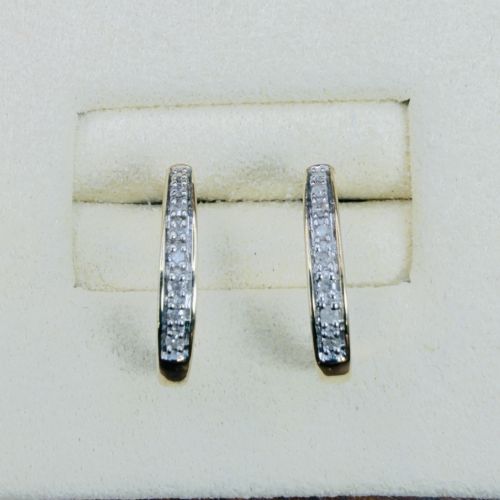
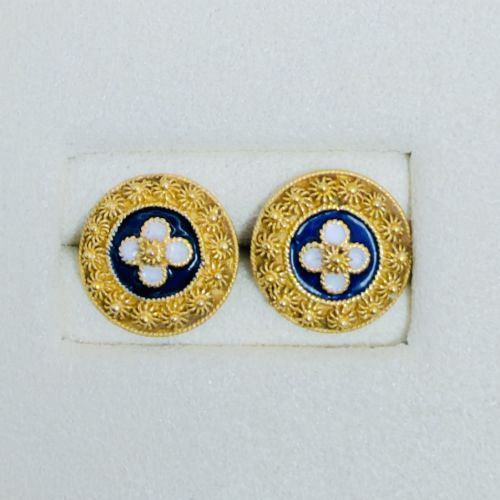
Metals form the structural foundation of these earrings, with platinum and white gold utilised alongside yellow gold in various purities, including 9ct, 14ct, 18ct, and 19.2ct. Gemstones are secured via claw settings, bezels, and cluster arrangements that highlight diamonds alongside emeralds, rubies, sapphires, topaz, and tourmalines. Pearls, coral, jadeite, and enamel introduce organic textures and colour variety.
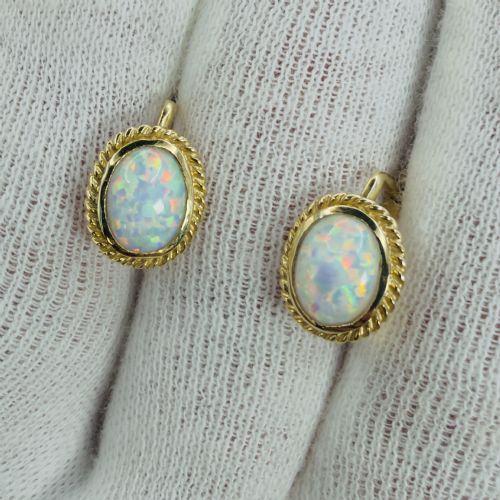
Construction techniques combine casting, wirework, and hand-setting of stones into precious metal frames. Filigree work and rope twist details appear on gold mounts, while screw backs and hinge backs provide secure fastenings for different ear fittings.
Vintage Fine Jewellery Earrings Retail Price Guide 2026
Typical asking prices for vintage fine jewellery earrings among the pieces listed under this phrase on Sellingantiques today, from the lower quarter to the upper quarter. They describe what is for sale here now, not the wider market.
Listings feature yellow gold, white gold, and platinum mounted with diamonds, emeralds, sapphires, opals, and pearls across the Edwardian and mid-century periods.
Factors determining quality
Quality in these earrings depends on the precision of gemstone cutting, the security of stone settings, and the fineness of the metalwork. Symmetrical cluster arrangements and well-matched stone sizes indicate careful manufacture.
The choice of materials contributes to overall distinction, with high-purity gold and platinum frames holding clean diamonds and vibrant coloured gems. Preserved hallmarks and original box inclusions add documentary value to specific pieces.
Andrew Grima
The Vintage Fine Jewellery Earrings Glossary
- Cluster
- An arrangement of smaller gemstones grouped tightly around a central stone. This design maximises visual impact and light reflection.
- Drop earring
- A style that hangs below the earlobe, often incorporating movement through hinged or articulated joints. These designs elongate the profile.
- Filigree
- Delicate ornamental work consisting of twisted wire welded together in open patterns. This technique creates lace-like metal frames.
- Old cut
- A diamond cutting style predating modern brilliant cuts, characterised by high crowns and small tables. These stones exhibit a distinctive warmth under candlelight.
- Screw back
- A mechanical earring fastening utilising a threaded post and nut to adjust pressure on the lobe. This mechanism suits non-pierced or pierced ears.
Vintage Fine Jewellery Earrings: Frequently Asked Questions
What periods do these earrings represent?
The listings encompass Victorian, Edwardian, Art Deco, and mid-century eras. Each period brings distinct material choices and geometric or organic motifs.
Design characteristics shift from intricate platinum filigree in early twentieth-century pieces to bold gold clusters and modernist silhouettes by the 1950s and 1960s.
How are different gold purities utilised?
Gold appears in 9ct, 14ct, 18ct, and 19.2ct variations across yellow and white tones. Higher karat golds offer richer colour saturation and malleability for detailed work.
White gold and platinum provide a neutral backdrop for diamonds, ensuring the stones appear bright without metal colour interference.
What gemstone varieties appear most often?
Diamonds form the primary white stone element, frequently paired with emeralds, sapphires, rubies, amethysts, topazes, and tourmalines. Organic materials like pearls, coral, and jadeite also feature prominently.
Stones are shaped into cabochons, emerald cuts, marquise cuts, and pear facets to suit specific cluster or drop layouts.
How do hinge backs and screw backs function?
Hinge backs provide a secure closure mechanism that clicks into place behind the earlobe. Screw backs utilise a threaded post where a threaded nut tightens against the ear.
Both mechanisms reflect the period's approach to secure wear, accommodating different earlobe thicknesses and piercing types.